Story Highlights:
- Aave’s founder has stepped in after a failed governance vote, signaling a new approach to revenue sharing.
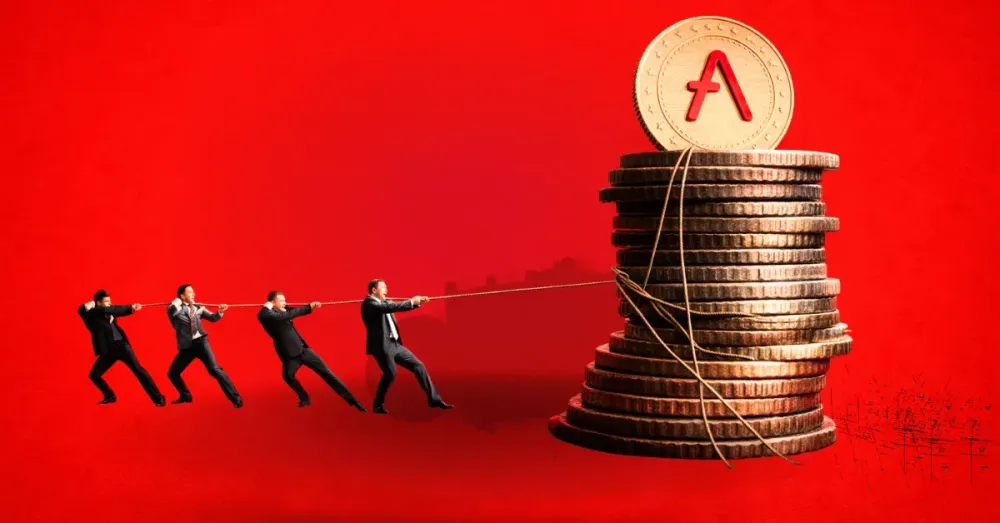
- Internal tensions over control, fees, and governance are pushing Aave toward a major structural reset.
- Markets reacted fast, with AAVE jumping over 10% as investors digested the shift.
Kulechov Says Aave Is at a Crossroads
In a post on Aave’s governance forum, Kulechov laid out his concerns about the protocol’s future. He said Aave’s current lending activity is too dependent on ETH, BTC, and leverage-based strategies tied to
crypto market cycles. That model works, but it has limits.
> "I believe Aave has the potential to support a $500 trillion asset base through RWAs and other assets over the coming decades," he wrote.
To get there, Kulechov pointed to Aave V4. The upgrade introduces a modular design that can support real-world assets, institutional credit, and consumer products without putting the core protocol at risk. GHO, Aave’s stablecoin, would play a central role in future yield and savings products.
What the New Proposal Will Cover
Kulechov confirmed a formal proposal is on the way. It will explain how revenue made outside the core protocol, from the Aave app, swap integrations, and future products, could flow back to AAVE holders.
> "We are committed to sharing revenue generated outside the protocol with token holders," he said.
The proposal will also address control of the Aave brand, including websites, domains, and social accounts. DAO safeguards will be part of the package.
SEC Probe Ends, TVL Holds Strong
Last month, the SEC closed its multi-year investigation into Aave without taking action. That removes a major overhang. Aave’s total value locked currently sits around $56 billion, making it one of the largest DeFi protocols by that measure.
DAO delegates have welcomed the shift but want clear, enforceable terms. The upcoming vote will decide whether the new framework moves forward.