•
•
•
•
•
•
•
•
•
•
•
•
•
•
•
•
•
•
•
•
•
•
•
•
•
•
•
•
•
•
•
•
•


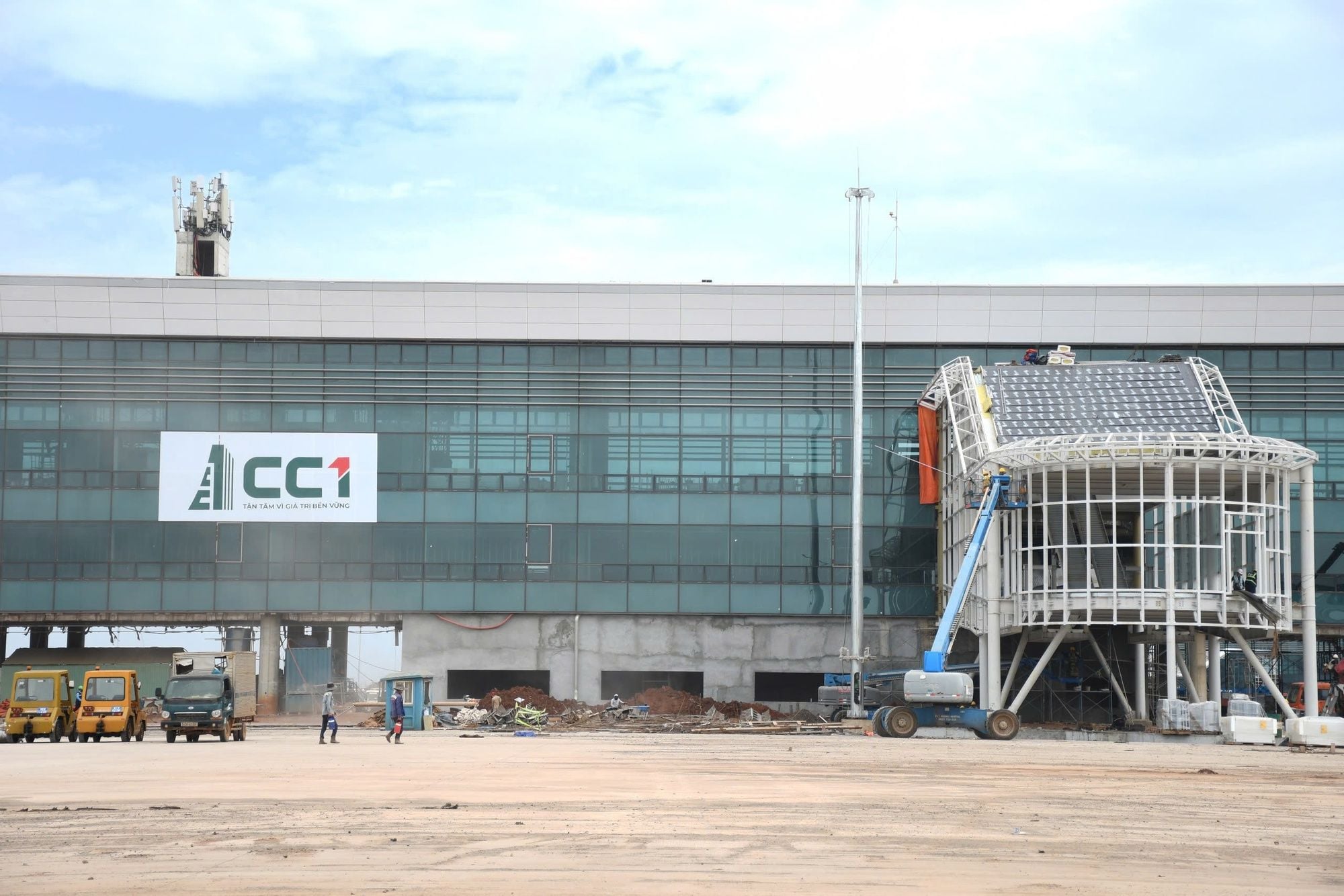
ACV (Airport Corporation of Vietnam) has outlined a phased plan to transfer international flights from Tan Son Nhat International Airport to Long Thành Airport, aiming to concentrate international traffic at Long Thành to optimize capacity, reduce congestion at Tan Son Nhat, and position Long Thành as a major international aviation hub in the region.
From the start of Long Thành’s commercial operations through the end of the Winter 2026 schedule (December 1, 2026 to March 27, 2027), ACV proposes moving all international long-haul flights, including cargo, from Tan Son Nhat to Long Thành. This phase is expected to account for about 19% of the region’s international passenger traffic.
From the Summer 2027 schedule through 2030, ACV proposes continuing to move all remaining international flights to Long Thành, except routes under 1,000 km operated by Vietnam Airlines. If approved, Long Thành could handle more than 90% of the Ho Chi Minh City area’s international passenger traffic by 2027.
After 2030, all regular international flights would operate from Long Thành. Tan Son Nhat would mainly serve domestic flights, non-scheduled international flights, and charter flights.
A photo caption accompanying the report notes that Long Thành still has many items to complete amid a labor shortage.
Experts also stress that the relocation plan is conditional rather than guaranteed at this stage, depending on internal factors such as infrastructure readiness, coordination capacity, and airline network strategy, as well as external factors including passenger behavior, market trends, regional competition, and the broader global economic and political context.
Some passengers worry about travel convenience. One Ho Chi Minh City resident said the move is necessary to relieve Tan Son Nhat, but the longer travel time—about two hours—could be inconvenient if the road network is not yet reliable. Another resident from Can Tho said access to Tan Son Nhat is easier, but she supports the new airport to reduce crowding and recognizes the broader benefits of a larger airport.
Beyond distance, passengers expect improvements in service quality, sanitation, and passenger assistance, particularly for first-time flyers.
RMIT Vietnam cited IATA data indicating growing demand for speed, convenience, and itinerary control: about 50% of passengers have used biometrics at airports; 78% want an integrated journey app; and 88% want real-time baggage tracking.
UNWTO data cited in the report show leisure travel accounts for about 50–60% of demand, while business and MICE travel account for 20–30%.
The report notes that Tan Son Nhat is about 6–8 km from the city center, while Long Thành is more than 40 km away. This could raise access costs if ground infrastructure is not completed, potentially affecting how high-value travelers choose airports.
Business leaders warn that relocating more than 90% of international flights in 2027 faces challenges due to congestion and travel times. They note that international travelers might land in Da Nang, Hanoi, or Nha Trang and then connect to Ho Chi Minh City, which could reduce Long Thành’s appeal as the primary gateway.
RMIT experts highlight three key variables for long-term viability: (1) faster, reliable ground connectivity (including expressways, metro, rail, and Ring Road 3); (2) coordinated network management using a hub-and-spoke model at Long Thành while Tan Son Nhat maintains high-frequency and charter flights; and (3) adaptation to passenger behavior toward seamless end-to-end journeys.
Analysts note that the strategic challenge is not simply “move all” flights but optimize operational efficiency at each airport. They cite global experience suggesting that complete relocation to a single new airport is difficult: Bangkok’s Suvarnabhumi has not replaced Don Mueang; Tokyo operates Narita and Haneda in parallel; and Korea’s Incheon became central after years alongside Gimpo.
This summary reflects reporting by THÁI PHƯƠNG and QUỲNH TRÂM for Người Lao Động.






Premium gym chains are entering a “golden era” that is ending or already in decline, as rising operating costs collide with shifting consumer preferences toward more flexible, community-based ways to exercise. Long-term memberships are shrinking, margins are pressured by higher rents and facility expenses, and competition from smaller, more personalized…