•
•
•
•
•
•
•
•
•
•
•
•
•
•
•
•
•
•
•
•
•
•
•
•
•
•
•
•
•
•
•
•
•


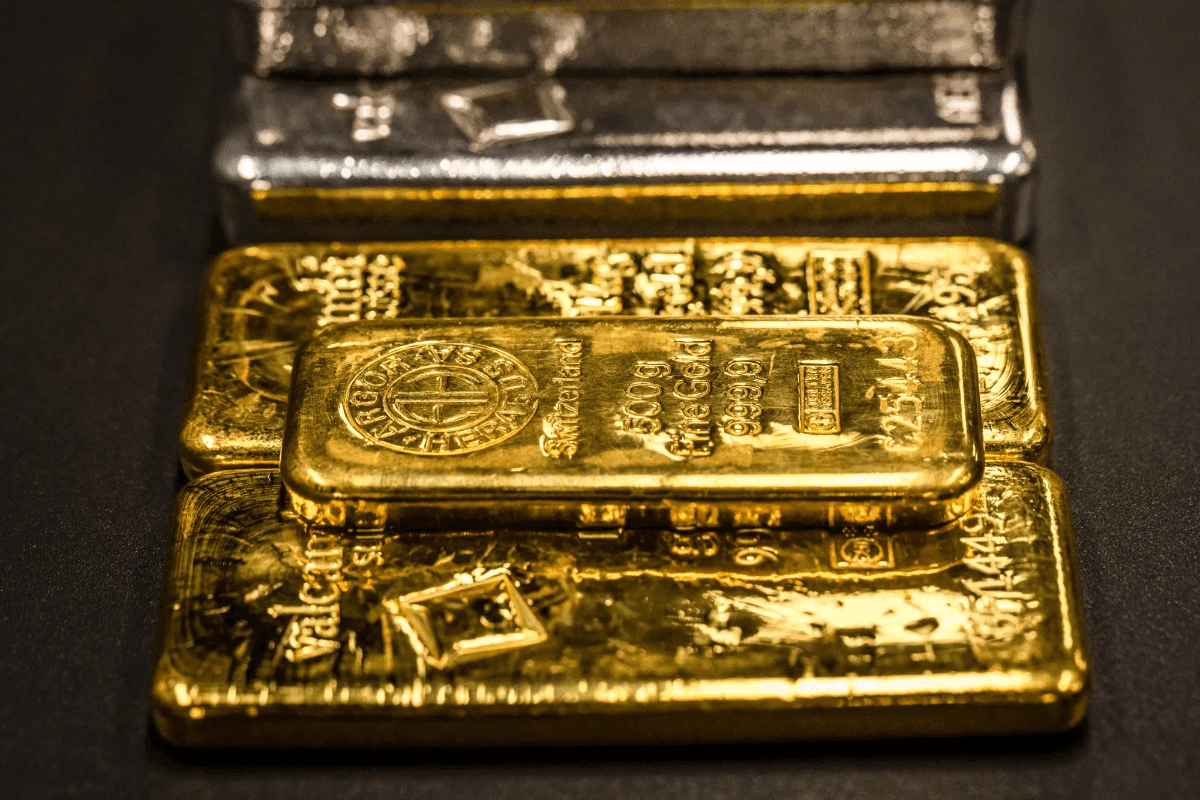
Analysts in a Reuters poll raised their gold-price forecast for 2026, citing central banks’ demand for asset diversification and investors’ preference for gold as a hedge against economic risk. They said these supports are expected to outweigh downward pressure from rising inflation and tighter monetary policy linked to the Middle East conflict. The poll also pointed to a potential rebound in gold if tensions between the United States and Iran ease.
Gold has been falling sharply recently. It traded below key levels of 4,700 USD/oz and 4,600 USD/oz in sessions on April 27-28. By around 5 p.m. local time on the day of the report, spot gold was down nearly 1% from the previous day’s close in the U.S., at about 4,550 USD/oz.
The Reuters survey covered 31 analysts and traders and was conducted over three weeks, with results published on April 27. The 2026 average price forecast was 4,916 USD/oz, the highest in the survey’s history dating back to 2012. Three months earlier, the 2026 average forecast had been 4,746.5 USD/oz.
Gold had reached a record near 5,600 USD/oz by the end of January after an upturn since 2025. Since the U.S.-Iran war began in late February, gold has fallen roughly 14%, as investors sold gold to meet cash needs and higher oil prices increased expectations that major central banks would keep policy rates higher for longer to curb inflation.
StoneX’s Rhona O’Connell said that if the war ends peacefully, gold could see a strong rebound. She added that while underlying fundamentals still support gold, the 5,500 USD/oz level is unlikely to be a near-term target.
Other analysts highlighted that gold’s inflation-hedge role may face pressure if central banks respond to higher energy prices by holding or raising rates. Because gold does not yield, higher rates can weigh on demand.
Julius Baer’s Carsten Menke said the situation is unlikely to persist for long, aligning with the view that the war will not have a lasting impact on global growth. He added that as soon as the market expects the Federal Reserve to cut rates, demand for gold investments would rise.
Analysts in the poll said several forces that have supported gold in recent years are expected to continue in 2026: strong central-bank buying, concerns about Fed independence, rising U.S. debt, and expansion of the money supply. Independent analyst Ross Norman said the momentum for central banks to buy gold is stronger than ever and that Middle East events could heighten vulnerability in holding U.S. dollar-denominated assets. He characterized the outlook as positive but more moderate than before.
For silver, the Reuters poll projected a 2026 average price of about 78 USD/oz, down from a 3-month-ago forecast of 79.5 USD/oz. Silver surged 147% in 2025 and continued rising into January 2026, reaching nearly 122 USD/oz on January 29. Since then, it has slipped to around 73 USD/oz.
O’Connell said a sharp rise in silver to 100 USD/oz could occur if the war ends, but that level would be difficult to sustain. She noted the silver market remains structurally tight in terms of supply to meet industrial demand, though demand for solar panels has slowed this year. She added that the 80 USD/oz level could be a relatively sustainable peak for silver.





Premium gym chains are entering a “golden era” that is ending or already in decline, as rising operating costs collide with shifting consumer preferences toward more flexible, community-based ways to exercise. Long-term memberships are shrinking, margins are pressured by higher rents and facility expenses, and competition from smaller, more personalized…