•
•
•
•
•
•
•
•
•
•
•
•
•
•
•
•
•
•
•
•
•
•
•
•
•
•
•
•
•
•
•
•
•


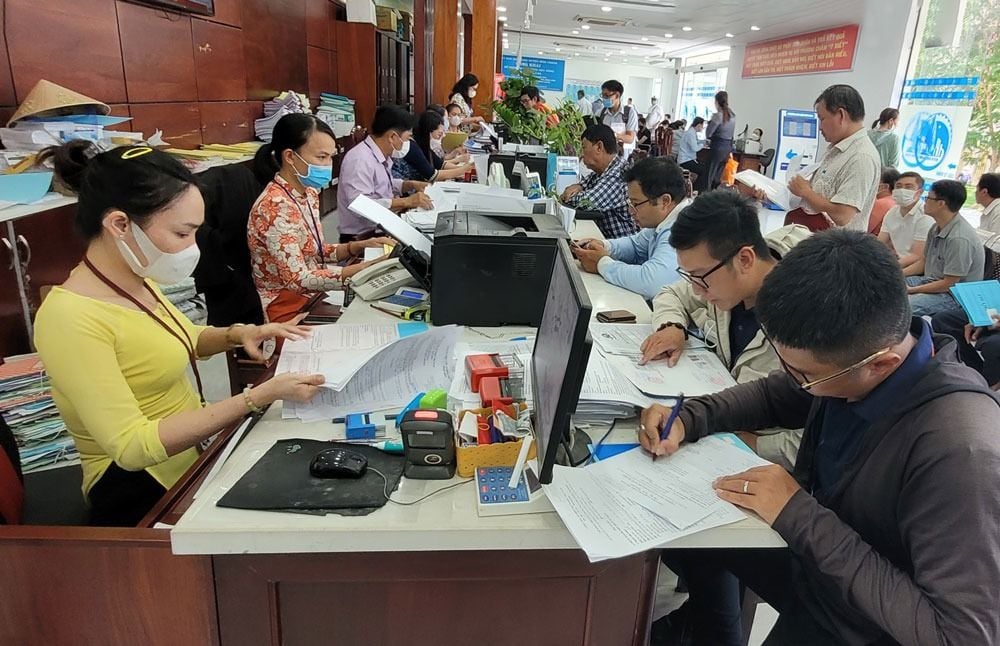
Base salary is expected to increase by 8% from July 1, 2026, according to Deputy Prime Minister Pham Thi Thanh Tra, Secretary of the Central Committee, speaking at a March 9 meeting with voters in Lao Cai province. The current base salary is 2.34 million VND per month. With an 8% increase, it would rise to nearly 2.53 million VND per month—an increase of about 190,000 VND per month.
Monthly salaries of civil servants and public employees will change because pay in this sector is calculated as: Salary = Base salary × Salary coefficient. As the base salary is adjusted upward, take-home pay for workers in the state sector increases in line with the salary coefficient of each grade and position.
Many allowances in the public sector are calculated as coefficients of base salary. As a result, allowances that may increase include position allowances, seniority allowances, responsibility allowances, area allowances, hazardous/dangerous allowances, and allowances tied to official duties or job-specific roles in sectors such as education and healthcare.
In addition, pensions, allowances for contributors, social welfare and social pension allowances are expected to be adjusted when the State increases base salary and related allowance standards. The specific increase for each group will be set by the Government in the plan to adjust pensions and allowances, together with the timing of the base salary adjustment.
The base salary also serves as the basis for calculating mandatory social insurance contributions for some groups. Under current rules, the minimum salary basis equals the base salary and the maximum equals 20 times this amount. Therefore, when the base salary rises to almost 2.53 million VND, the minimum basis for social insurance contributions would become 2.53 million VND and the maximum would become 50.54 million VND per month.
For state employees, the base salary used to determine social insurance contributions is the monthly salary according to position, title, wage grade and any allowances if any. Currently, employees in this group contribute 8% to the pension and survivors’ fund and 1.5% to health insurance each month. Additionally, when base salary is adjusted upward, household health insurance contributions and union dues are also expected to increase.







Premium gym chains are entering a “golden era” that is ending or already in decline, as rising operating costs collide with shifting consumer preferences toward more flexible, community-based ways to exercise. Long-term memberships are shrinking, margins are pressured by higher rents and facility expenses, and competition from smaller, more personalized…



