•
•
•
•
•
•
•
•
•
•
•
•
•
•
•
•
•
•
•
•
•
•
•
•
•
•
•
•
•
•
•
•
•


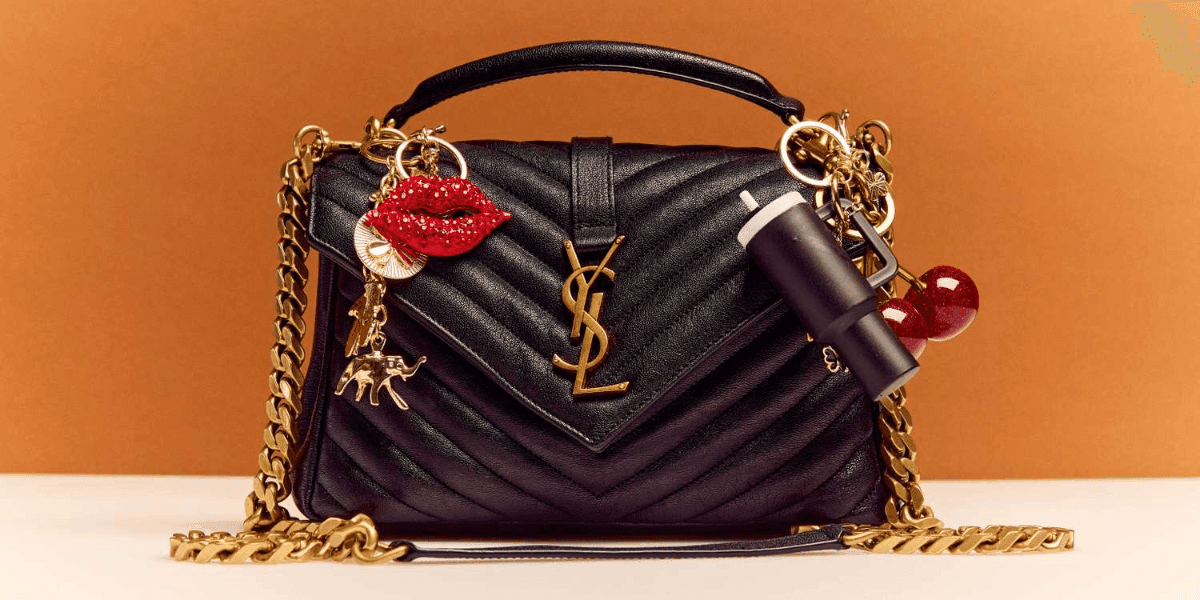
Beauty charm accessories are increasingly showing up in the decorative-accessory market, with items such as lipstick cases, perfumes, and sunscreen being used as fashion-forward add-ons. What began as a novelty—such as a Labubu plush hanging from an Hermès Birkin—has evolved into a visible signal of identity, as luxury bags become canvases for charm-style personal-care pieces.
Data from User Says Research Center indicates that the “beauty charm” segment—beauty products presented as keychains—grew quickly last year. The segment recorded more than 218,000 online discussions, up 41.8% year over year. The figures suggest charm-driven designs have moved beyond optional extras to become a competitive differentiator.
“Charm-maxxing” culture spread via TikTok, including trends tied to Jane Birkin-inspired bags. However, many urban consumers also want items that are genuinely useful. Charm hooks, therefore, need to be practical.
That practical angle aligns with “beauty charm” products—such as perfume, lipstick, sunscreen, and hand cream—that are typically reapplied multiple times per day. Instead of being stored inside a handbag, these items can be clipped to a bag, belt, or keychain, turning everyday personal-care products into visible style statements. The trend also built momentum from earlier designs, including Rhode’s lipstick case with hidden storage, before expanding into more visually prominent formats.
Charm-maxxing had been developing for some time, starting with keychains and nostalgic items and later expanding into more colorful, mood-board-like accessories that turn bags into display surfaces. Luxury brands including Louis Vuitton, Prada, and Fendi also adopted logo-coated charms, while the beauty industry leaned into the trend with playful, wearable personal-care formats.
The shift reflects two consumer needs. The first is speed—reapplying makeup, sunscreen outdoors, or using perfume highlights the inconvenience of traditional bottles. The second is emotional value, as beauty products increasingly function as tools for self-expression. When displayed externally, these products take on a stronger role: not only for use, but as a way to communicate the wearer’s style.
The beauty-charm trend points to a broader change in how consumers define value. The bag is no longer just a container; it is decorated daily and can change with mood, outfit, and function. With beauty products worn on the outside, routine reapplication becomes more visible—shifting everyday upkeep into moments of personality and style.
Premium gym chains are entering a “golden era” that is ending or already in decline, as rising operating costs collide with shifting consumer preferences toward more flexible, community-based ways to exercise. Long-term memberships are shrinking, margins are pressured by higher rents and facility expenses, and competition from smaller, more personalized…