•
•
•
•
•
•
•
•
•
•
•
•
•
•
•
•
•
•
•
•
•
•
•
•
•
•
•
•
•
•
•
•
•


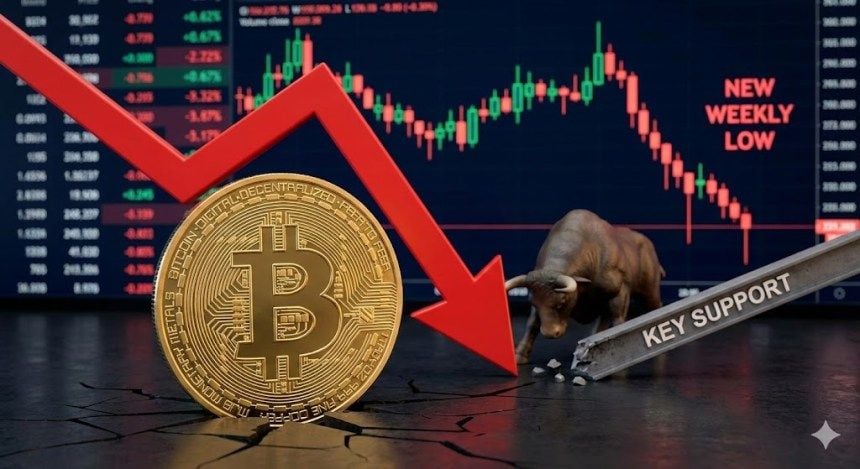
Bitcoin’s price fell sharply toward $60,000 last week, dragging investor sentiment with it. The decline has been ongoing for roughly five months, but the latest move stands out for how low the Bitcoin Fear & Greed Index has fallen. The index has reached a level recorded only twice in Bitcoin’s history.
After reaching an all-time high of $126,000 in August 2025, Bitcoin’s sentiment indicators have fluctuated before turning mainly downward. Last week, the Bitcoin Fear & Greed Index dropped to a low of 9, placing the market in Extreme Fear. At the time of writing, the index remains in that extreme zone.
The article notes that only two prior periods have seen sentiment this low: the 2018–2019 bear market and the 2022 FTX crypto exchange crash.
In both earlier episodes, the initial market reaction is described as similar, followed by a long accumulation trend. The accumulation phase typically lasts for a few months, during which the market builds momentum.
After that period, the article says there is usually a steady upward move in sentiment, suggesting that an index reading this low could mark the end of a bear market. The expectation described is that a bull market can begin afterward, with Bitcoin often reaching new all-time highs by the next year.
The article argues that, based on this historical pattern, Bitcoin may have already hit or be close to its bottom. In that scenario, it suggests that a prolonged accumulation phase could follow, potentially leading into the next bull market.
It also cautions that Bitcoin has deviated from historical trends at times, as new investors and broader macro factors have influenced financial markets.
BTC maintains hold on $66,000






Premium gym chains are entering a “golden era” that is ending or already in decline, as rising operating costs collide with shifting consumer preferences toward more flexible, community-based ways to exercise. Long-term memberships are shrinking, margins are pressured by higher rents and facility expenses, and competition from smaller, more personalized…



