•
•
•
•
•
•
•
•
•
•
•
•
•
•
•
•
•
•
•
•
•
•
•
•
•
•
•
•
•
•
•
•
•


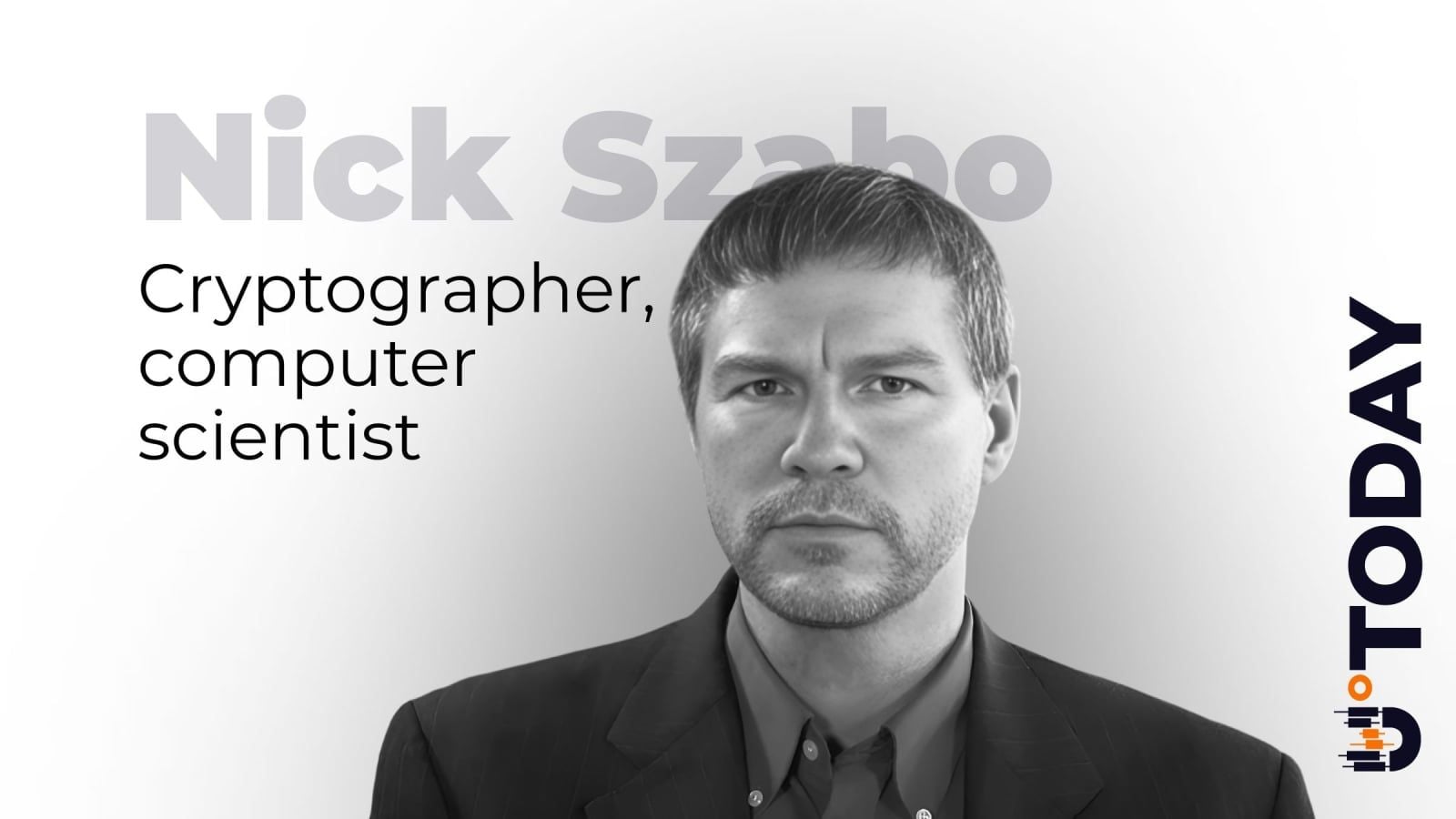
Is Bitcoin a 'free market' or a financials-only technology? Nick Szabo expressed his opinion on the matter, arguing that using blockchain for anything other than transactions is a potential regulatory trap. As the Bitcoin network prepares to mine its 20 millionth coin this March, legendary cryptographer Nick Szabo is sounding the alarm this month. In his view, popular upgrades such as SegWit and Taproot have transformed a financial protocol that once carried a form of legal immunity, turning node operators into unwilling custodians of illegal content. At the center of the conflict is the dispute over whether Bitcoin is only digital gold or it can become a decentralized data dump that, according to Szabo and his supporters, governments could easily declare illegal. Bitcoin devs divide into two camps in 'battle for the future' of blockchain In his latest post on X, Szabo issued a warning, pointing out that the community is misinterpreting the foundations laid by Bitcoin’s creator, Satoshi Nakamoto. He explains that the word 'message' in the Bitcoin white paper is a purely technical programming term and never meant that Bitcoin is a messenger or an archive. Therefore, inscriptions — the ability to transmit images and other files through the Bitcoin blockchain that are not transactions — in his view are a regulatory trap. Exploiting the code in this way undermines security. > The predominant term used in the white paper is transaction. Satoshi's Bitcoin obtained, relayed, and redundantly stored transactions. Where 'message' is used in the white paper it is just referring to a sub-protocol used to communicate transaction information between nodes. … This statement is directly connected to the ongoing conflict among Bitcoin developers. On one side are minimalists, such as Szabo and Adam Back. In their view, the blockchain is a valuable and limited resource, and any data that is not monetary transfers, like images, BRC-20 tokens, inscriptions, is spam. On the other side are the utility maximizers, among which are the ordinals developers, who believe that if a user is willing to pay a fee, they have the right to write anything into the blockchain. For them, Bitcoin is rather a 'free market.' The point is not that this dispute must be resolved right now. It is more a battle for the future. Either Bitcoin will remain a pure financial instrument, or it will become a global archive of data, which, according to opponents of this direction of development, would attract attention from authorities.





Premium gym chains are entering a “golden era” that is ending or already in decline, as rising operating costs collide with shifting consumer preferences toward more flexible, community-based ways to exercise. Long-term memberships are shrinking, margins are pressured by higher rents and facility expenses, and competition from smaller, more personalized…




