•
•
•
•
•
•
•
•
•
•
•
•
•
•
•
•
•
•
•
•
•
•
•
•
•
•
•
•
•
•
•
•
•



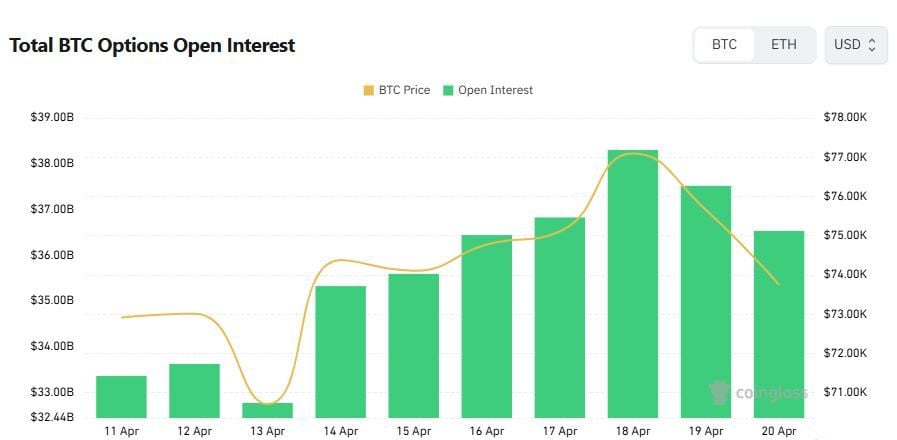
Bitcoin is showing growing resilience to geopolitical shocks, trading with less volatility than traditional assets amid renewed Middle East tensions. On Monday morning, it traded at $74,335, down 1.6% over the past 24 hours but up 4.8% for the week. The move follows escalation including the U.S. Navy seizing an Iranian vessel and Iran tightening control over the Strait of Hormuz, a critical global oil route.
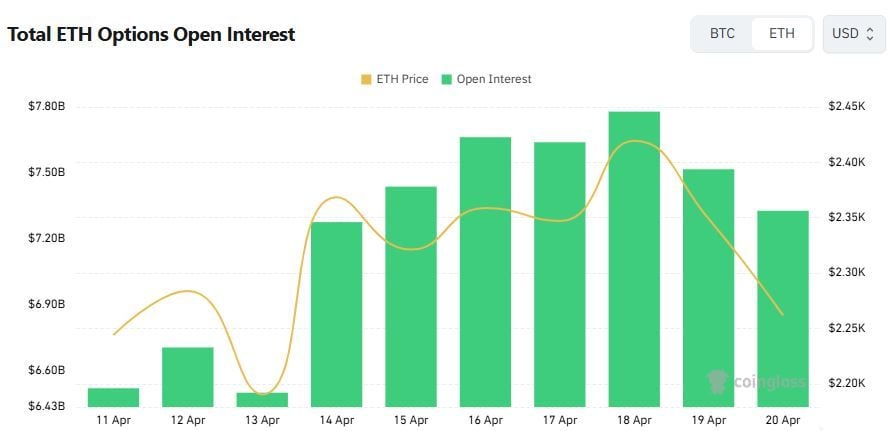
Other major cryptocurrencies also saw limited downside. Ethereum fell 2.6% to $2,272, Solana declined 1.5% to $84, and BNB held steady at $618. Despite red across the top 10 cryptocurrencies, none recorded losses exceeding 3%, suggesting relative stability in the crypto market during geopolitical uncertainty.
In contrast, traditional markets responded more aggressively. Brent crude oil rose 5.7% to $95.50 per barrel, while European natural gas futures spiked up to 11%. Equity markets weakened, with S&P 500 futures down 0.6% after a record close last week, and European stock futures indicating a 1.2% decline. Gold slipped 0.8% to $4,790, and the U.S. dollar strengthened as investors shifted toward conventional safe-haven assets.
This escalation represents the fourth Iran-related event that crypto markets have absorbed with diminishing impact. Earlier incidents triggered sharper Bitcoin sell-offs, but recent reactions point to a pattern of reduced volatility. Analysts attribute the calmer response either to geopolitical risk already being priced into Bitcoin or to consistent inflows from spot Bitcoin ETFs supporting a stronger price floor.
Traders are monitoring macro variables that could influence broader risk sentiment, including the 10-year Treasury yield, hovering around 4.27%, and dollar strength. If Bitcoin holds support above $74,000 despite further geopolitical strain, it could reinforce its emerging role as a hedge against geopolitical risk. A move below $73,000 on new developments, however, may challenge that narrative and indicate renewed vulnerability.





Premium gym chains are entering a “golden era” that is ending or already in decline, as rising operating costs collide with shifting consumer preferences toward more flexible, community-based ways to exercise. Long-term memberships are shrinking, margins are pressured by higher rents and facility expenses, and competition from smaller, more personalized…