•
•
•
•
•
•
•
•
•
•
•
•
•
•
•
•
•
•
•
•
•
•
•
•
•
•
•
•
•
•
•
•
•


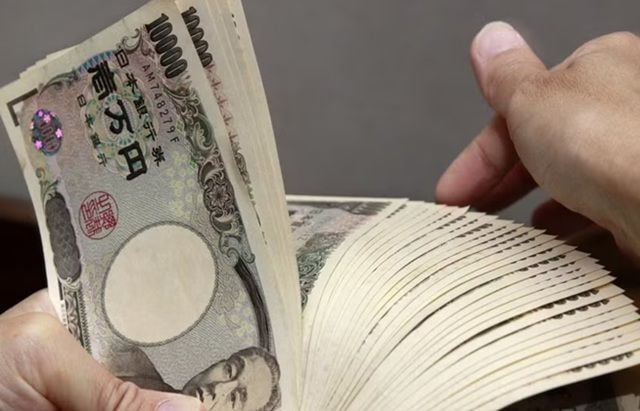
The Bank of Japan is widely expected to keep its policy interest rate unchanged at its April meeting, a decision that would place Governor Kazuo Ueda in the spotlight as the yen continues to weaken.
Earlier expectations of further policy normalisation, including another rate hike, have faded in recent weeks. The shift followed heightened volatility after the US-Iran conflict pushed oil prices higher, complicating the outlook for energy costs and the broader economy.
As of April 27, markets were pricing in only about a 7% probability of a rate hike at this week’s meeting. Most analysts instead expect the next increase to come in June 2026.
In morning trading in Tokyo on April 27, the yen traded around 159.50 per US dollar, moving close to levels that previously triggered government intervention to support the currency in 2024.
Finance Minister Satsuki Katayama said officials are in continuous contact with the United States and that Japan is maintaining a high state of vigilance against speculative activity that could pressure the yen.
Volatility linked to the Middle East has increased uncertainty around energy costs and supply-chain resilience, making it harder for policymakers to determine when to resume rate increases.
Within the BoJ’s nine-member policy board, which voted 8-1 to hold policy in March 2026, dissenting views are becoming more visible. The balance of views is likely to be tested by the need to weigh inflation progress against the risks to growth from a weaker yen and higher energy costs.
Sources said the BoJ is considering raising its inflation forecast for the current fiscal year (beginning April 2026) compared with the previous projection of 1.9%.
Latest data show inflation in Japan accelerated again in March 2026. Services inflation rose 1.25% from the previous month, the strongest increase in about 36 years (excluding periods of consumption-tax hikes).
At the same time, consumer sentiment is deteriorating sharply, pointing to risks for domestic demand. Analysts estimate the BoJ could trim its growth forecast for this year from 1% to 0.8%.
One of the central challenges for Governor Ueda this week is avoiding a repeat of the April 2024 episode, when his remarks were interpreted as policy easing. That interpretation contributed to a yen sell-off and was followed by authorities intervening in the foreign-exchange market shortly afterward.
Shigeto Nagai, a former head of the BoJ’s International Division, said the key issue to watch is the BoJ’s commitment to continuing rate hikes aimed at curbing yen depreciation.
This week, the Federal Reserve and the European Central Bank are also scheduled to hold meetings and are expected to keep rates unchanged. BoJ normalisation pressures are partly linked to the still-large rate gap versus other central banks and Japan’s real rate, which remains deeply negative after inflation.
Since taking office in 2023, Ueda has dismantled yield-curve control, ended negative-rate policy, and raised the policy rate to the highest level in three decades. With two years remaining in his term, observers expect further tightening when conditions allow.
On April 29, the BoJ is scheduled to release its quarterly economic outlook and policy statement at noon, followed by a press briefing by Governor Ueda.





Premium gym chains are entering a “golden era” that is ending or already in decline, as rising operating costs collide with shifting consumer preferences toward more flexible, community-based ways to exercise. Long-term memberships are shrinking, margins are pressured by higher rents and facility expenses, and competition from smaller, more personalized…