•
•
•
•
•
•
•
•
•
•
•
•
•
•
•
•
•
•
•
•
•
•
•
•
•
•
•
•
•
•
•
•
•


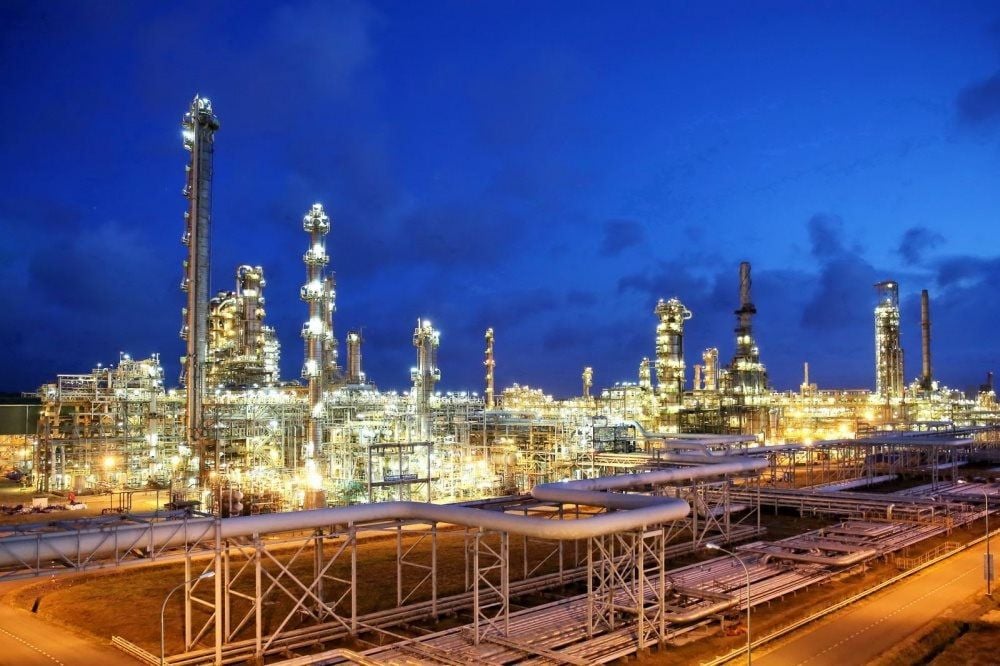
As of Q1 2026, Binh Son Refining and Petrochemical JSC (BSR) posted total revenue of 46.462 trillion dong and after-tax profit of 8.265 trillion dong, recording strong growth versus Q1 2025 thanks to operational optimization and favorable energy market conditions.
Compared with the same period in 2025, revenue rose by over 14,000 billion dong, while profit surged by 20.7 times.
The company’s results were supported by positive movements in crude oil and refined product prices on the global market, which helped improve BSR’s gross margin.
During the quarter, BSR maintained high, stable operation at the Dung Quat Refinery, averaging 124%–125% of adjusted capacity. Capacity optimization enabled the company to increase product output to capture the price spread between crude input and output products.
In the first three months of the year, total production exceeded 1.99 million tonnes of various products, contributing to domestic fuel supply and to more than 3,953 billion dong to the State budget.
As of March 31, 2026, BSR’s assets stood at 106.786 trillion dong, up more than 21,000 billion dong from the start of the year. Inventory rose to 21.573 trillion dong, nearly double the beginning-of-year level.
In terms of capital structure, the company’s equity reached 68.778 trillion dong, in line with its positive business results. Total liabilities stood at over 38.000 trillion dong, mostly short-term debt used for input purchases and ongoing operations.
On the stock market, by the close of trading on April 29, BSR shares closed at 23,600 dong per share with a trading volume of 9,691,400 shares.



Premium gym chains are entering a “golden era” that is ending or already in decline, as rising operating costs collide with shifting consumer preferences toward more flexible, community-based ways to exercise. Long-term memberships are shrinking, margins are pressured by higher rents and facility expenses, and competition from smaller, more personalized…



