•
•
•
•
•
•
•
•
•
•
•
•
•
•
•
•
•
•
•
•
•
•
•
•
•
•
•
•
•
•
•
•
•


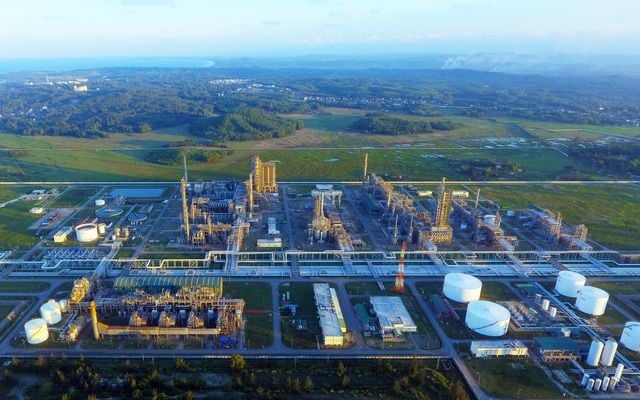
Compared with Q1 2025, BSR's total revenue rose by more than 14 trillion dong, reflecting the impact of global energy market movements as crude oil prices and refined petroleum product prices remained at elevated levels. After-tax profit reached VND 8,265 billion (about VND 8.265 trillion), 20.7 times higher than the same period last year.
Amid volatile oil prices, BSR built operating scenarios, optimized capacity utilization, and exploited the price gap between crude inputs and product outputs to improve profit margins. The company also adjusted raw material procurement, inventory accumulation, and sales timing in line with market developments, improving overall business efficiency.
This combination of internal efforts and market opportunities supported BSR’s leap in profits in the first quarter of 2026.
BSR’s Q1 2026 after-tax profit is comparable to leading Vietnamese commercial banks such as BIDV and Techcombank, which reported profits in the range of 8,200–8,800 billion dong in the same period. This highlights that BSR’s scale and business performance are increasingly approaching those of major finance-banking groups, while underscoring the company’s growing importance in Vietnam’s energy and refining sector.
In production operations, BSR maintained the Dung Quất Refinery at a high operating rate, about 124–125% of the adjusted rated capacity. The company said this level helps ensure safety while maximizing output to take advantage of favorable market conditions.
By the end of Q1 2026, BSR’s production volume reached over 1.99 million tonnes of various products. The output contributed to securing domestic gasoline supply, supporting market stability, and maintaining national energy security.
BSR also paid more than VND 3,953 billion to the State budget, reinforcing its role as a major budget-contributing entity for Quảng Ngãi province.
On the financial front, BSR’s total assets at the end of Q1 2026 stood at VND 106,786 billion, up from VND 85,143 billion at the start of the year. Inventories rose to VND 21,573 billion, nearly double the beginning-of-year level.
Keeping high inventory levels, including crude oil and products, helps BSR secure raw material supply amid ongoing geopolitical volatility and potential disruptions to crude supply. Large inventories of finished products also enable the company to adjust the market and meet domestic gasoline demand promptly during spikes or if import sources are disrupted.
Total liabilities rose by more than VND 38 trillion, mainly short-term debt used to support production activities and inputs. Meanwhile, equity continued to increase to VND 68,778 billion, strengthening the company’s financial foundation and improving resilience to market fluctuations.
Against the backdrop of lingering global economic volatility and energy markets carrying risks, BSR’s Q1 2026 results show the company is capturing near-term opportunities while maintaining strong internal capacity to adapt to rapid market changes. With a solid financial position, proactive governance, and a planned development strategy, BSR is positioned to enter a new phase of growth in the regional and global energy value chain.


Premium gym chains are entering a “golden era” that is ending or already in decline, as rising operating costs collide with shifting consumer preferences toward more flexible, community-based ways to exercise. Long-term memberships are shrinking, margins are pressured by higher rents and facility expenses, and competition from smaller, more personalized…




