•
•
•
•
•
•
•
•
•
•
•
•
•
•
•
•
•
•
•
•
•
•
•
•
•
•
•
•
•
•
•
•
•


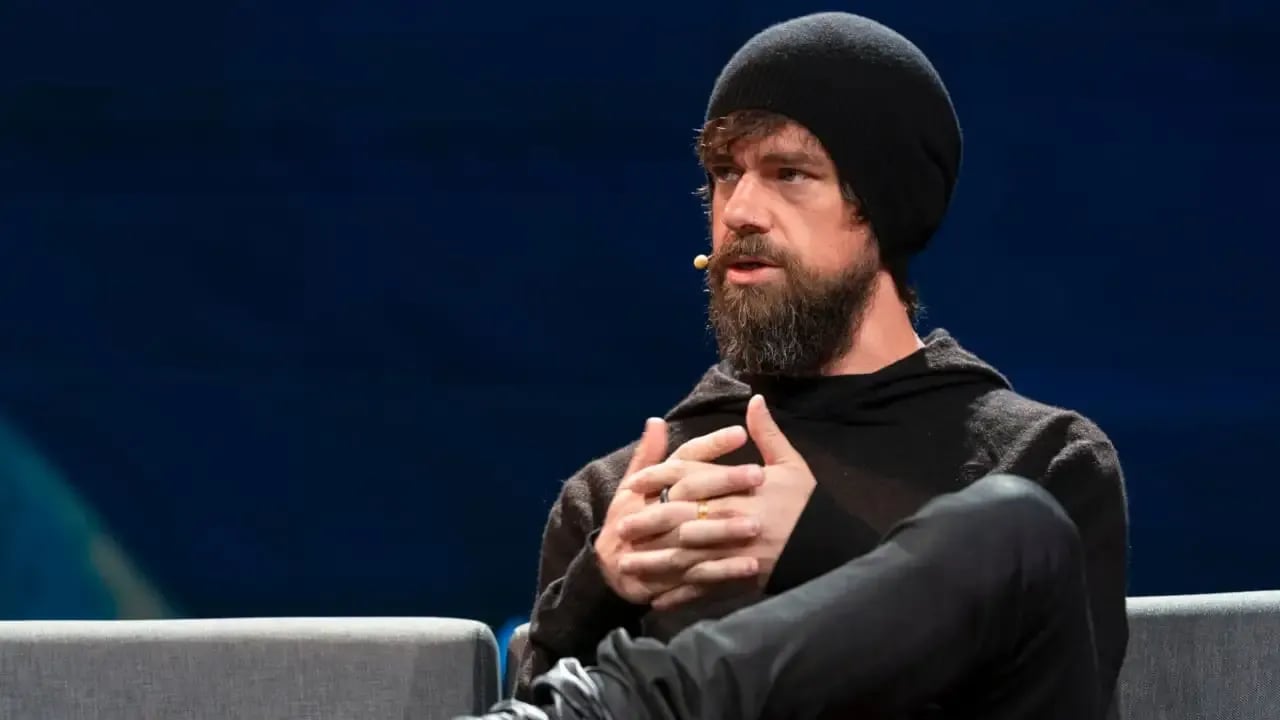
A fresh debate is brewing after Charles Hoskinson, founder of Cardano, suggested that Ripple explore an XRP buyback model. In a recent interview, Hoskinson argued that XRP could become more attractive if Ripple used a portion of its revenue to actively buy back tokens from the market, a move he said could influence demand and market dynamics.
During the interview with Paul Barron, Barron relayed a viewer question about what Ripple might do to boost XRP’s utility if the much-anticipated Clarity Act becomes law. The question asked whether Ripple would take a passive approach or pursue more aggressive measures, including XRP buybacks or revenue-sharing staking.
Hoskinson said he does not expect Ripple to adopt a buyback model. Instead, he argued Ripple will likely continue selling XRP to generate substantial revenue, which it would then use to acquire hard assets at the corporate level—assets he said do not directly benefit XRP holders.
He also suggested this reflects a long-standing pattern in Ripple’s strategy over the past decade, where XRP sales have funded internal growth and initiatives such as the RLUSD stablecoin, rather than being redistributed to token holders.
Barron noted that Ripple reinvests proceeds from XRP sales back into the XRP Ledger ecosystem, which he said could still provide meaningful support for the broader network. Hoskinson acknowledged this but argued it does not go far enough in aligning profits with token holders’ interests.
To support his argument, Hoskinson cited Hyperliquid as an example of a company using buybacks to boost token value and investor appeal. He suggested that if Ripple allocated roughly 20% to 30% of its earnings toward XRP buybacks, it could strengthen market perception of the token. He also said Ripple currently has neither a financial obligation nor a legal requirement to distribute value back to holders.
Separately, reports indicated Ripple initiated a share buyback program earlier this year, valuing the firm at around $50 billion. At the time, reporting said the company planned to repurchase up to $750 million in shares from investors and employees through a tender offer expected to run into April.
As of this writing, XRP is down about 2% on the day and recently traded at $1.39. Despite being the fourth-largest cryptocurrency by market capitalization, it remains roughly 62% below its all-time high of $3.65 set in July 2025.
Premium gym chains are entering a “golden era” that is ending or already in decline, as rising operating costs collide with shifting consumer preferences toward more flexible, community-based ways to exercise. Long-term memberships are shrinking, margins are pressured by higher rents and facility expenses, and competition from smaller, more personalized…