Central banks continued to net purchase
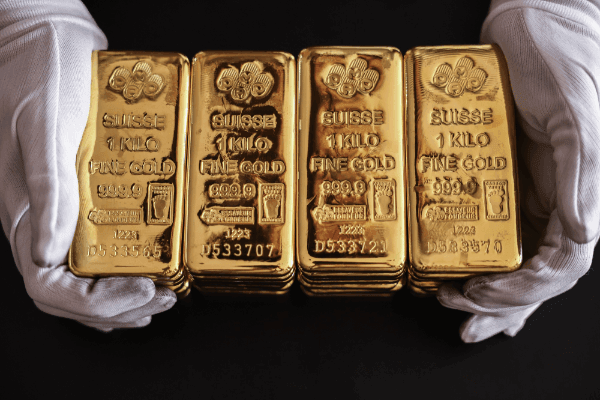
gold in February 2026, continuing the trend of diversifying reserve assets away from the USD in recent years. However, the war in the Gulf that erupted in late February could dampen this trend. According to the latest report from the World Gold Council (WGC), central banks, led by the Polish central bank, bought a net total of 19 tonnes of gold in February. Poland was the largest net purchaser of gold in February, with its gold reserves increasing by 20 tonnes to 570 tonnes, representing 31% of its foreign exchange reserves. Marissa Salim, senior research analyst at WGC, emphasized that the Polish central bank aims to reach 700 tonnes of gold reserves, as outlined by Governor Adam Glapinski. According to Kitco News, analysts have paid close attention to Poland's gold reserves, given that the central bank recently proposed converting gold into cash. Earlier this month, Governor Glapinski proposed selling part of the national gold reserves to raise about $13 billion to fund defense spending. He said the Polish central bank would buy back gold to replenish foreign exchange reserves when the economic situation stabilizes again. Beyond Poland, Uzbekistan's central bank added 8 tonnes of gold in February, lifting its official reserves to 407 tonnes, accounting for 88% of the country's total reserves. Malaysia's central bank also joined in the trend by purchasing 2 tonnes of gold in February, marking the second consecutive month that the country increased its gold reserves. Meanwhile, China and the Czech Republic remained buyers of gold with modest but stable volumes in February, according to Salim. On the other hand, Turkey and Russia were the largest sellers of gold among central banks in February. Russia's central bank sold 6 tonnes of gold in the month, while Turkey's central bank sold 8 tonnes. Notably, Turkey continued to run a net sale of gold in March. Reuters reported last week that in March Turkey sold around 118 tonnes of gold to raise foreign currency to defend the lira's exchange rate amid depreciation pressure from the Gulf War. Analysts expect central-bank demand for gold to slow as countries focus on defending their economies against supply-chain disruptions and higher energy prices due to the ongoing war in Iran. However, the WGC notes that new central banks are joining the gold reserve buildup, which could continue to support demand. The Bank of Uganda — after launching a gold-buying program two years ago — has been actively purchasing gold through March, Salim said. The agency aims to buy at least 100 kg of gold from domestic producers between March and June this year to bolster reserves and shield the economy from risks in international financial markets. In addition, the Central Bank of Kenya has signaled plans to launch a similar program. “February appears to show a rebound in central-bank gold buying after a quiet January. This demonstrates the central banks' commitment to gold in foreign-exchange reserves. But at the same time, central banks may be price-conscious when accumulating gold. The emergence of central banks from Southeast Asia and Africa into gold-buying activity suggests the story of the gold-reserves trend in emerging markets remains intact,” Salim said.