•
•
•
•
•
•
•
•
•
•
•
•
•
•
•
•
•
•
•
•
•
•
•
•
•
•
•
•
•
•
•
•
•


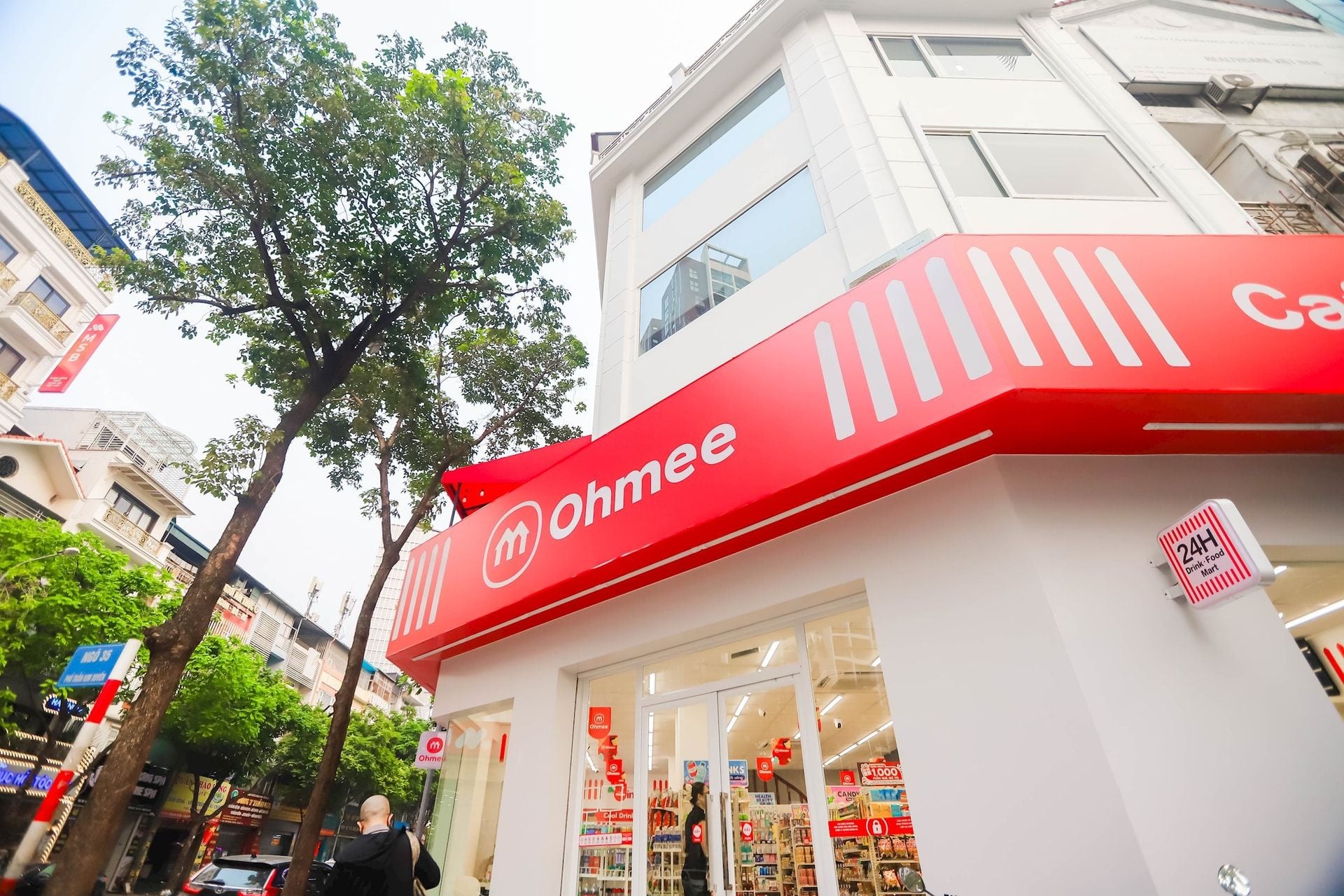
Vietnam's convenience-store market is entering a more competitive phase as the number of outlets continues to grow, but the market structure remains relatively concentrated. According to a retail sector report by Saigon-Hanoi Securities (SHS), as of December 2025, among foreign convenience-store chains Circle K leads with 447 stores, far behind GS25 with 245 stores, FamilyMart with 160 stores, 7-Eleven with 99 stores, while Daiso currently has 9 stores in Vietnam. Looking at the number of brands present, many might think this is a fragmented market where each chain holds a small slice. But the reality is different. Market data from NielsenIQ shows Circle K accounted for nearly 48% of revenue in the convenience-store segment, a leader-dominated model where a leading name enjoys a large footprint, brand recognition, and consumer habits. However, when placed in the broader retail picture, convenience stores in Vietnam remain a relatively young segment. Unlike Japan, Korea, or China, where convenience stores have become part of urban consumption infrastructure, in Vietnam daily shopping remains mainly at traditional markets, neighborhood grocery stores, or gradually shifting to modern minimarts. This means the 'convenience-store slice' isnt large yet, but the upside remains substantial. In that gap, the appearance of Ohmee, a brand developed from Meiyijia's platform, a chain with more than 40,000 stores in China, adds a new variable to the market. We contacted Ohmee and were told by Gia Hung — Chief Marketing Officer of the company — that the chain officially operates three first stores in Hanoi, including Ohmee 35 Tran Kim Xuyen, Ohmee Vinhomes Smart City, and Ohmee 53 Trieu Khuc. The number 3 is very small when compared with other chains already present in Vietnam. But the strategy behind it is what is noteworthy. Also, according to Gia Hung, in the initial phase Ohmee will operate directly to control customer experience, optimize processes and standardize the store model. After this phase, the company plans to expand via franchising, following the formula that the parent corporation has applied to scale to tens of thousands of stores domestically. In retail, this is a very clear signal: the three stores are just a test; the real ambition lies in the franchising model behind. The 'direct-operated first, franchise later' approach is often how large chains build a foundation before expanding across the market with socialized resources. That also means the biggest question is no longer whether Ohmee can compete with Circle K or GS25; the more important question is which segment of the retail market Ohmee will target in Vietnam. If the model brought to Vietnam retains the 'DNA' from Meiyijia, Ohmee is likely not just a traditional convenience store selling snacks, beverages, and small consumer goods for quick visits. This model could move closer to a neighborhood-focused retailer where consumers can buy essential household items and a coffee at the same location. At present, it's too early to assess how big an impact Ohmee will have on the Vietnamese market. However, the decision to operate directly in the initial phase before considering franchising expansion indicates this is not a short-term move. Given the broader growth potential in the convenience-store and neighborhood retail markets, the entry of a new brand with expansion ambitions will be a notable variable for the sector as a whole.

Premium gym chains are entering a “golden era” that is ending or already in decline, as rising operating costs collide with shifting consumer preferences toward more flexible, community-based ways to exercise. Long-term memberships are shrinking, margins are pressured by higher rents and facility expenses, and competition from smaller, more personalized…