•
•
•
•
•
•
•
•
•
•
•
•
•
•
•
•
•
•
•
•
•
•
•
•
•
•
•
•
•
•
•
•
•


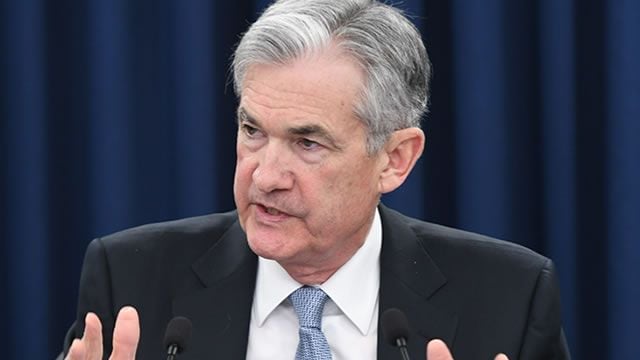
The U.S. Federal Reserve left interest rates unchanged on Wednesday, matching market expectations, but policymakers displayed an unusual split over the likely path for future policy. While the central bank signaled a slightly more dovish tone, the decision included multiple dissents that underscored internal disagreement over how to communicate forward guidance.
Fed Chair Jerome Powell announced no change to the benchmark rate. Governor Stephen Miran dissented in favor of an immediate quarter-point rate cut.
At the same time, Cleveland Fed President Hammack, Minneapolis Fed President Kashkari, and Dallas Fed President Logan voted against adding an easing bias to the policy statement. They preferred not to signal a clearer path toward future rate cuts.
The combination of dissenting votes marked the highest number of opposing votes tied to a Fed rate decision and policy statement since October 1992, highlighting growing divisions within the central bank over inflation risks and the timing of potential easing.
Jeffrey Roach, Chief Economist for LPL Financial, said the dissents were particularly notable because three regional Fed presidents objected not to the rate decision itself, but to how it was communicated—specifically the implied forward guidance and the likely use of the word “additional.”
Roach described the outcome as a “dramatic twist” for Chair Powell, noting that three regional presidents dissented over communication rather than the decision. He said Powell is no longer a consensus-builder.
Roach said one member favoring a 25-basis-point cut was widely expected, but the broader disagreement signaled rising internal tension ahead of a leadership transition at the central bank.
He also pointed to unrest in the Middle East as the primary source of uncertainty for both growth and inflation, warning that more dissents and increased volatility in rates markets are likely in the near term.
Roach said the incoming chair will face challenges building consensus around a new policy regime. He added that markets have already begun pricing in the possibility of future rate hikes.
Overall, while the Fed leaned dovish, the split highlighted ongoing debate among policymakers as investors continue to look for signs of when the first rate cut could arrive.


Premium gym chains are entering a “golden era” that is ending or already in decline, as rising operating costs collide with shifting consumer preferences toward more flexible, community-based ways to exercise. Long-term memberships are shrinking, margins are pressured by higher rents and facility expenses, and competition from smaller, more personalized…