•
•
•
•
•
•
•
•
•
•
•
•
•
•
•
•
•
•
•
•
•
•
•
•
•
•
•
•
•
•
•
•
•


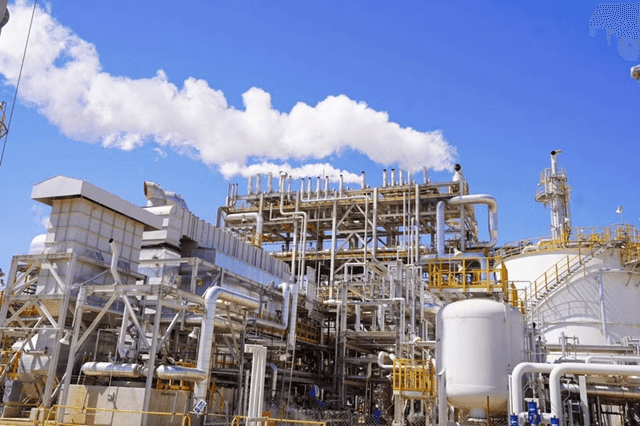
China’s oil reserves exceed those of the United States by more than threefold, according to data cited from the U.S. Energy Information Administration (EIA). By the end of 2025, China held nearly 1.4 billion barrels of oil in reserves, compared with 1.2 billion barrels held collectively by the 32 member countries of the International Energy Agency (IEA).
The comparison also includes the IEA’s disclosure that 413 million barrels are held in the U.S. strategic reserve. New U.S. government data indicate China increased its oil stockpiles ahead of the Middle East conflict, with the EIA estimating that China accumulated almost 1.4 billion barrels by the end of 2025.
Analysts say China does not publicly disclose its stock levels, but the EIA estimates suggest China added an average of about 1.1 million barrels per day to its strategic reserve throughout 2025.
In contrast, the United States has continued to draw down its strategic stockpile. Recent reporting indicates U.S. reserves are around 405 million barrels after selling more than 8 million barrels in the first half of April. President Trump has also announced plans to release a total of 172 million barrels in coming months to curb price pressures linked to the Iran conflict.
As the world’s largest crude oil importer, China remains highly dependent on global energy markets. The data underscore how China has used stockpiles as a strategic buffer amid an extended energy shock, particularly as flows through the Hormuz Strait remain largely disrupted.
Beyond oil, China also holds a strong position in clean energy manufacturing. A recent IEA study cited in the article says geographic concentration of clean energy production is high in China, with roughly 85% of the solar panel supply chain and 80% of lithium-ion battery production located there.







Premium gym chains are entering a “golden era” that is ending or already in decline, as rising operating costs collide with shifting consumer preferences toward more flexible, community-based ways to exercise. Long-term memberships are shrinking, margins are pressured by higher rents and facility expenses, and competition from smaller, more personalized…




