•
•
•
•
•
•
•
•
•
•
•
•
•
•
•
•
•
•
•
•
•
•
•
•
•
•
•
•
•
•
•
•
•


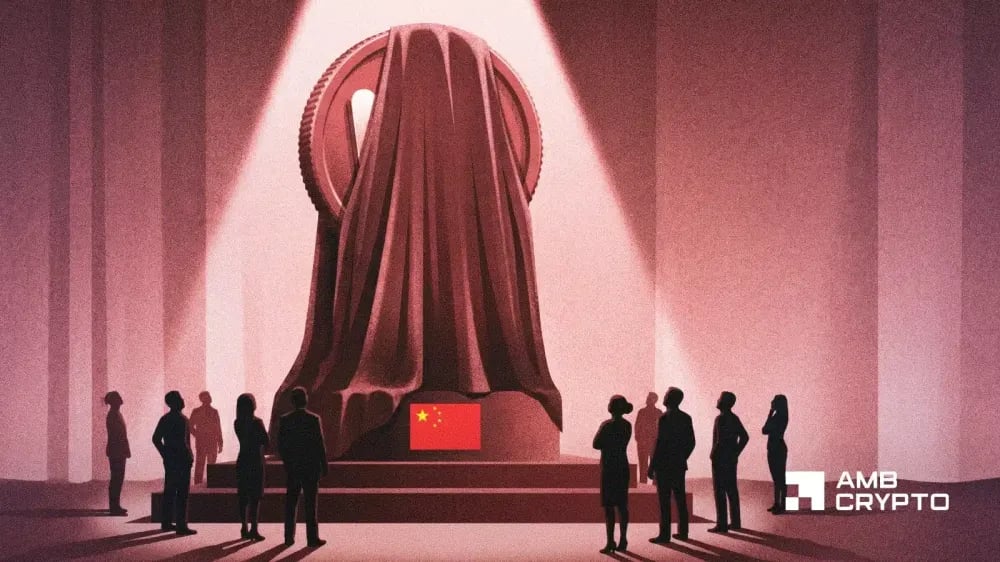
Talk around yuan-backed stablecoins is gathering momentum. In an interview with Reuters, Circle CEO Jeremy Allaire described a “tremendous opportunity,” saying stablecoins are becoming increasingly important in global trade finance. The view is supported by a World Economic Forum report, which projects rapid expansion in the sector: stablecoin market capitalization has risen from $5 billion to $300 billion in five years.
The U.S. move comes as other jurisdictions—including Japan, the European Union, Hong Kong, Singapore, and the UAE—have already introduced stablecoin regulatory frameworks.
As adoption grows globally, Allaire said China is “eagerly awaiting to expand the yuan’s role.” In a Reuters-reported interview in Hong Kong, he argued that currency competition is increasingly a technological contest: “If there’s currency competition, you want your currency to have the best features possible. This is becoming a technological competition.”
Allaire also predicted that China could introduce “a yuan-backed stablecoin in the next three to five years.” The comment is notable given that China banned crypto trading and mining in 2021. The article notes that it remains unclear whether the shift reflects rising competition or broader adoption.
The discussion comes as Circle’s USDC is reported to be outpacing Tether’s USDT in transaction volume since the start of 2026. At the same time, debate around stablecoin yield is intensifying as the CLARITY Act advances toward the finish line of the GENIUS Act.
Because the CLARITY Act has not yet been passed, it remains unclear how the U.S.—and China’s potential direction—will shape the stablecoin market.
Meanwhile, the market continues to expand. DeFiLlama data cited in the article shows stablecoin market capitalization reaching a new all-time high of $320 billion. It also reports that about $2.5 billion flowed in the second week of April.
The article suggests the figures could indicate a market bottom and point to a possible rally, while also emphasizing that conditions remain volatile, with the market still described as being in “Extreme Fear.”







Premium gym chains are entering a “golden era” that is ending or already in decline, as rising operating costs collide with shifting consumer preferences toward more flexible, community-based ways to exercise. Long-term memberships are shrinking, margins are pressured by higher rents and facility expenses, and competition from smaller, more personalized…




