•
•
•
•
•
•
•
•
•
•
•
•
•
•
•
•
•
•
•
•
•
•
•
•
•
•
•
•
•
•
•
•
•


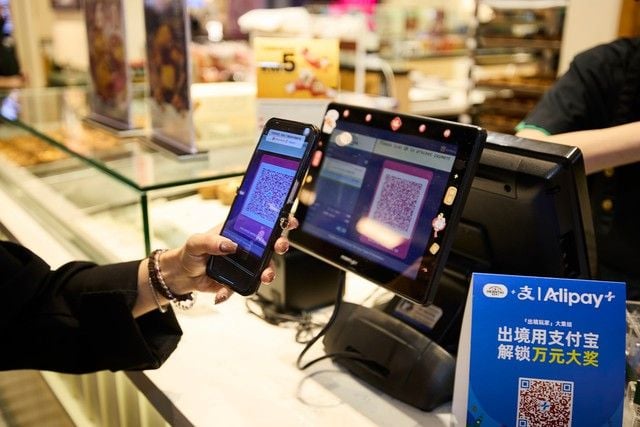
The rise of cross-border QR payments is addressing foreign exchange and exchange-rate issues for millions of Vietnamese travelers each year, while also enabling domestic businesses to attract international visitors and integrate into the regional digital economy.
International travel is seeing rapid growth. The General Statistics Office reported that in 2025 Vietnam recorded about 6.7 million outbound travelers for tourism, business, or study—up 26.4% from 2024. This increase is driving demand for financial services, particularly foreign currency payments at popular destinations across Asia, including Korea, Singapore, Japan, and Malaysia, as well as in Europe and the Americas.
Previously, cash and credit cards were the main options for cross-border spending. Currency exchange could be inconvenient and involve risk of loss, while credit cards raised concerns about data theft and typically carried relatively high foreign exchange fees. Cross-border QR payments emerged to reduce these frictions through faster processing and lower costs.
In a November 2025 report on cross-border payments, AMRO said new payment methods with faster processing and lower costs are reshaping regional financial infrastructure and supporting integration.
Vietcombank has announced a partnership with the Alipay+ payment platform to launch cross-border QR payment services for individual customers in more than 50 countries worldwide. The move positions Vietcombank to provide QR payment services across key markets including China, Korea, Singapore, Malaysia, and multiple European and American countries.
Vietnamese travelers can use the Vietcombank Digibank app by scanning a QR code at participating stores in destinations such as Malaysia and completing payment in a few steps.
The partnership is supported by Alipay+’s broad acceptance footprint. Alipay+ is operated by Ant International and serves over 1 billion users. It connects with more than 150 million acceptance points across over 50 countries and territories. Vietcombank is described as the largest Vietnamese commercial bank by market capitalization, with a large customer base and leading technology, creating a combined platform for cross-border digital payments across Asia and beyond.
Cross-border payments are also expanding in the inbound direction. On April 3, 2026, NAPAS, Ant International, and Vietcombank expanded QR payment services to Vietnam–China. Chinese tourists can use Alipay directly to scan the VIETQRGlobal code to spend at service points within the NAPAS network nationwide.
Transactions are processed instantly by Vietcombank, converting Renminbi directly to Vietnamese dong quickly.
For the travel industry, the payment integration is intended to deliver a seamless, fast, and secure experience, encouraging travelers to choose Vietnam as a destination. For businesses, the streamlined solution is expected to help Vietnamese enterprises reach and serve international travelers more easily, improving competitiveness and supporting trade.
Mr. Douglas Feagin, Chairman of Ant International, said the collaboration among Ant International, NAPAS, and Vietcombank reflects a shared commitment to advancing the digital economy and supporting SMEs in Vietnam. He noted that tourism is a key economic bridge and that strengthening payment connections can help Vietnamese businesses access a global customer base and reinforce Vietnam’s digital transformation. He added that broader acceptance of international payments such as Alipay by global retailers can increase payment interaction and support cross-border trade.

Premium gym chains are entering a “golden era” that is ending or already in decline, as rising operating costs collide with shifting consumer preferences toward more flexible, community-based ways to exercise. Long-term memberships are shrinking, margins are pressured by higher rents and facility expenses, and competition from smaller, more personalized…