•
•
•
•
•
•
•
•
•
•
•
•
•
•
•
•
•
•
•
•
•
•
•
•
•
•
•
•
•
•
•
•
•


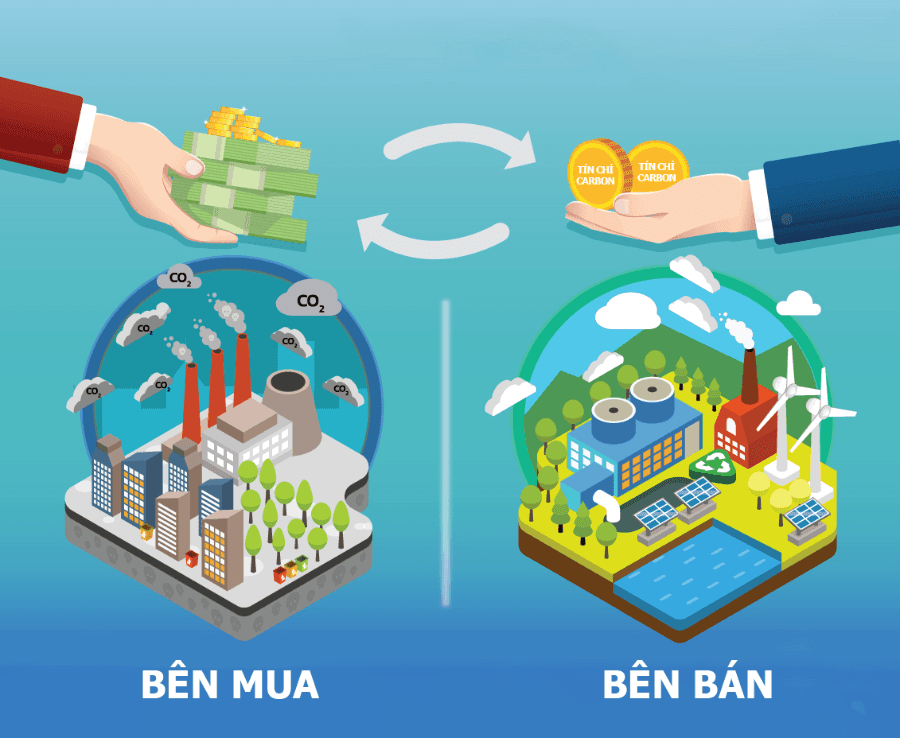
Vietnam’s government has issued Decree No. 112/2026/ND-CP, effective from May 19, 2026, establishing for the first time a legal framework for the international exchange of Vietnam’s greenhouse gas emission-reduction results and carbon credits under the Paris Agreement of the United Nations Framework Convention on Climate Change.
The decree sets out rules for exchanging emission-reduction results and carbon credits with international partners as part of Vietnam’s implementation of the Paris Agreement. It is intended to support development, technology transfer, and the dissemination of emission-reducing technologies, while enhancing the competitiveness of enterprises and promoting a low-carbon economy in Vietnam.
The decree is designed to attract investment while ensuring alignment with Vietnam’s national emission-reduction commitments. It specifies a list of emission-reducing activities and corresponding transfer-rate limits for international exchanges of emission-reduction results and carbon credits.
International exchange arrangements must ensure development and transfer of emission-reducing technologies, strengthen enterprise competitiveness, and promote a low-carbon economy in Vietnam.
Group 1 covers new or high-cost emission-reduction measures, for which international transfer can reach up to 90%. The decree lists the following activities:
Group 2 includes emission-reduction measures already deployed in Vietnam that require additional support, with a transfer cap of up to 50%. The decree lists:
If international transfer adjustments are not made in accordance with the decree, the maximum transfer rate is set at 90% of the reductions or carbon credits issued for a given phase. This applies across all programs and projects. The remaining reductions after international transfer may be used domestically.
The decree also clarifies revenue-management mechanisms for carbon credit-related income.
For public investment projects, the sale of carbon credits must be decided by the competent authority, with input from relevant ministries.
For public–private partnership (PPP) projects, revenue from carbon credits is counted as project revenue and may be adjusted in the financial plan.
The enactment of Decree 112 is described as an important step for Vietnam to participate more deeply in the global carbon market and to create a legal framework for enterprises to access green finance and emission-reduction technologies in the next period.
The decree includes sizable sections outlining anticipated regulations on international exchanges of emission-reduction results and carbon credits.






Premium gym chains are entering a “golden era” that is ending or already in decline, as rising operating costs collide with shifting consumer preferences toward more flexible, community-based ways to exercise. Long-term memberships are shrinking, margins are pressured by higher rents and facility expenses, and competition from smaller, more personalized…




