•
•
•
•
•
•
•
•
•
•
•
•
•
•
•
•
•
•
•
•
•
•
•
•
•
•
•
•
•
•
•
•
•


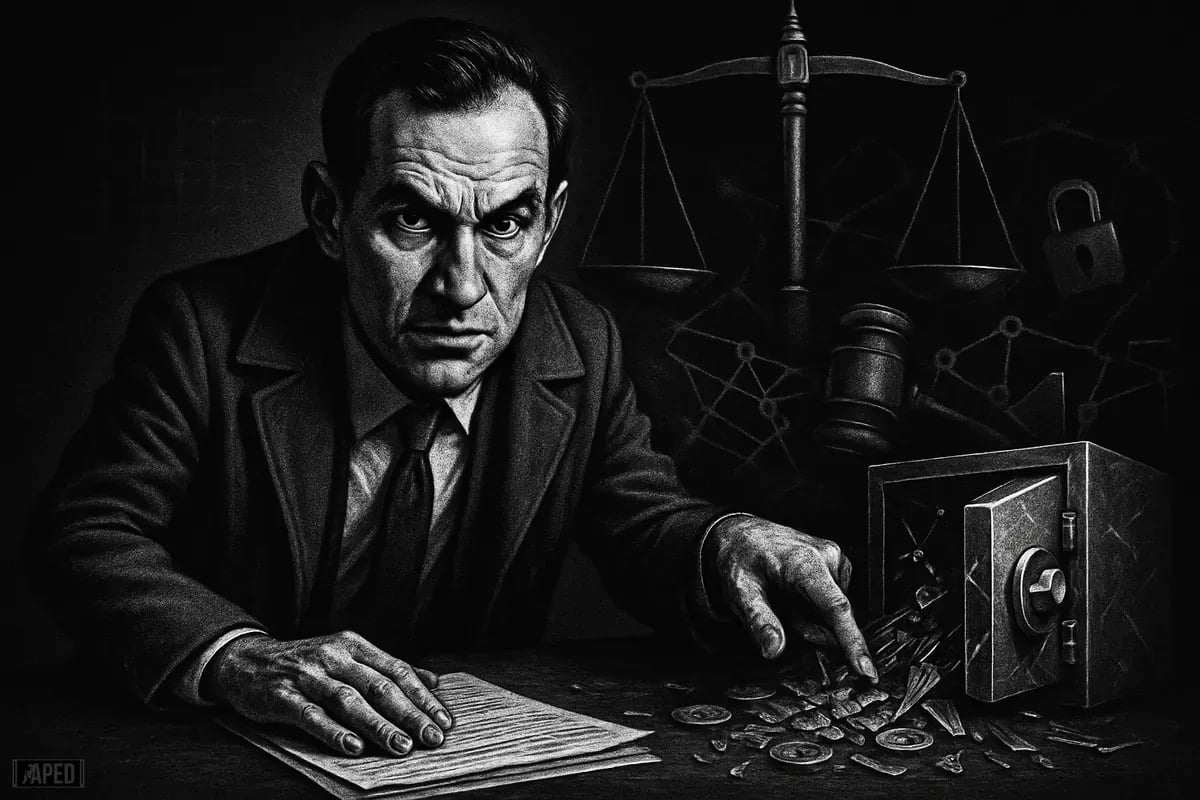
The legal scrutiny around the Drift Protocol exploit is focusing on a narrower and potentially more damaging allegation than the idea that “any hack” creates liability. The criticism, as described in the reporting, is that the exploit could have been prevented if Drift had followed standard operational security (opsec) procedures.
That distinction matters for civil negligence claims, which generally turn on whether a duty of care existed, whether it was breached, and whether the breach caused foreseeable harm. For a protocol managing large sums of user capital, the argument is that basic security hygiene is not optional. If the facts support preventable lapses rather than an unavoidable, zero-day-style event, plaintiffs may have a clearer narrative.
Drift published a post-mortem update after Wednesday’s exploit describing how the incident unfolded and how the team responded. The update has become a trigger for legal criticism because it reportedly describes circumstances that, in the view of one legal commentator, suggest failures in ordinary operational procedure rather than some impossible-to-predict attack path.
Public details remain limited. Negligence claims are fact-heavy and can depend on issues such as access controls, approvals, key management, internal segregation of duties, monitoring, incident response, and whether known best practices were ignored.
Until more technical evidence is available, the legal framing remains a risk scenario rather than a judgment. Still, once a lawyer publicly uses the phrase “civil negligence” in connection with a nine-figure exploit, counterparties, users, and regulators may pay closer attention.
After a hack, DeFi teams typically focus on restitution, recovery, and resuming operations. Negligence-focused allegations create a second front: potential claims from users, investors, or other stakeholders arguing that losses were not simply the result of market risk or smart contract risk.
That can create both reputational pressure and practical consequences. The reporting notes that insurance disputes can become more complicated, future fundraising may face headwinds, and listing partners, market makers, and integrators may reassess exposure if they believe internal controls were weak. Even if no lawsuit is filed, the cost of demonstrating robust security after the fact can be steep.
The discussion also highlights an industry tension: while DeFi markets itself as trust-minimised, catastrophic losses can still trace back to human process failures such as compromised credentials, weak wallet policies, lax permissions, or shortcuts in procedures. If the Drift case fits that pattern, it may be harder to dismiss as an unavoidable hack.
The reporting also notes that the attack was likely linked to threat actors aligned with North Korea. The argument presented is that this does not reduce the importance of internal controls; if anything, it raises expectations. State-backed groups are described as patient and capable of exploiting weak human processes.
That framing may lead courts, users, and policymakers to ask a straightforward question: if this threat model is well known, what did the platform do to prepare for it? A protocol handling substantial user assets cannot credibly claim surprise at the existence of sophisticated state-affiliated hackers, shifting attention toward whether layered controls anticipated that kind of adversary.
If Drift faces serious negligence claims, the broader implication described is not that every exploit automatically becomes lawsuit bait. Instead, legal scrutiny may more aggressively separate protocol risk from operator error.
The reporting emphasizes that different categories of failure are not the same. Smart contract design risk, oracle failure, governance failure, and operational failure are treated as distinct issues. Where losses stem from preventable internal breakdowns, plaintiffs may have a more conventional legal path than in cases involving purely autonomous code behavior. Over time, this could push DeFi projects toward more formal security governance, documented controls, and clearer accountability around treasury and infrastructure management.
Many details remain unknown. Attribution could change as more information emerges. Technical findings may show stronger controls than critics assume. Users may not pursue formal claims, and jurisdictional issues could make litigation difficult. A lawyer’s public comment is not a court finding.
However, the downside described is clear: if further disclosures confirm that routine security procedures were missed before a reported $280 million loss, the case would involve not only an exploit but also the question of whether Drift failed in a basic duty of care.






Premium gym chains are entering a “golden era” that is ending or already in decline, as rising operating costs collide with shifting consumer preferences toward more flexible, community-based ways to exercise. Long-term memberships are shrinking, margins are pressured by higher rents and facility expenses, and competition from smaller, more personalized…




