•
•
•
•
•
•
•
•
•
•
•
•
•
•
•
•
•
•
•
•
•
•
•
•
•
•
•
•
•
•
•
•
•


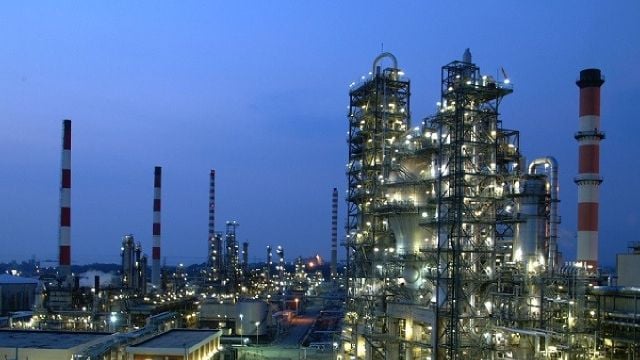
Investors often track daily oil prices and decide which energy stocks to buy based on near-term commodity moves. But some energy companies can offer more stability because they operate across multiple parts of the energy value chain, so weakness in one commodity does not necessarily weigh down the entire business.
One example is Enbridge (ENB), which is scheduled to report first-quarter 2026 earnings on May 8. Ahead of the release, investors may want to focus on how the company’s diversified model translates into performance across its segments.
Enbridge’s strategy is described as “all-of-the-above,” combining traditional energy infrastructure with renewable power initiatives. Rather than relying on a single commodity, the company operates across natural gas distribution and transmission, as well as renewable energy projects.
Key elements of that approach include a large natural gas business across North America. The company states that it supplies 90% of Utah’s population with natural gas and that it is the largest natural gas distribution company in Canada.
Enbridge also supports renewable energy demand. It is building a solar facility in Texas expected to be operational in the summer of 2027, and Meta Platforms has agreed to purchase all the electricity generated by the facility.
Energy demand from data centers can be a revenue driver for certain energy companies, including Enbridge. In its Q4 2025 investor presentation, Enbridge forecast $50 billion in broad revenue opportunities through 2030, with data centers listed as demand drivers.
In the May 8 earnings report, investors may want to look for updates or new developments in Enbridge’s gas transmission, gas distribution, and renewable power segments, particularly any information tied to data center-related opportunities.
Enbridge’s earnings profile may be less about short-term surprises and more about long-term consistency. For investors considering the stock, the key question is how Enbridge fits into their portfolio expectations.
Over the last five years, the S&P 500 rose 67%, while Enbridge delivered a 55% return. That difference suggests Enbridge may be less suitable for investors primarily seeking maximum stock price appreciation from an energy position, and more suitable for those prioritizing stability.
Enbridge has also increased its dividend payout for 31 consecutive years. The dividend yield is stated at 5.4%, reinforcing the company’s focus on shareholder returns over time.
For long-term investors, the decision to own Enbridge shares may depend less on the timing of earnings and more on the intended holding period.




Premium gym chains are entering a “golden era” that is ending or already in decline, as rising operating costs collide with shifting consumer preferences toward more flexible, community-based ways to exercise. Long-term memberships are shrinking, margins are pressured by higher rents and facility expenses, and competition from smaller, more personalized…




