•
•
•
•
•
•
•
•
•
•
•
•
•
•
•
•
•
•
•
•
•
•
•
•
•
•
•
•
•
•
•
•
•


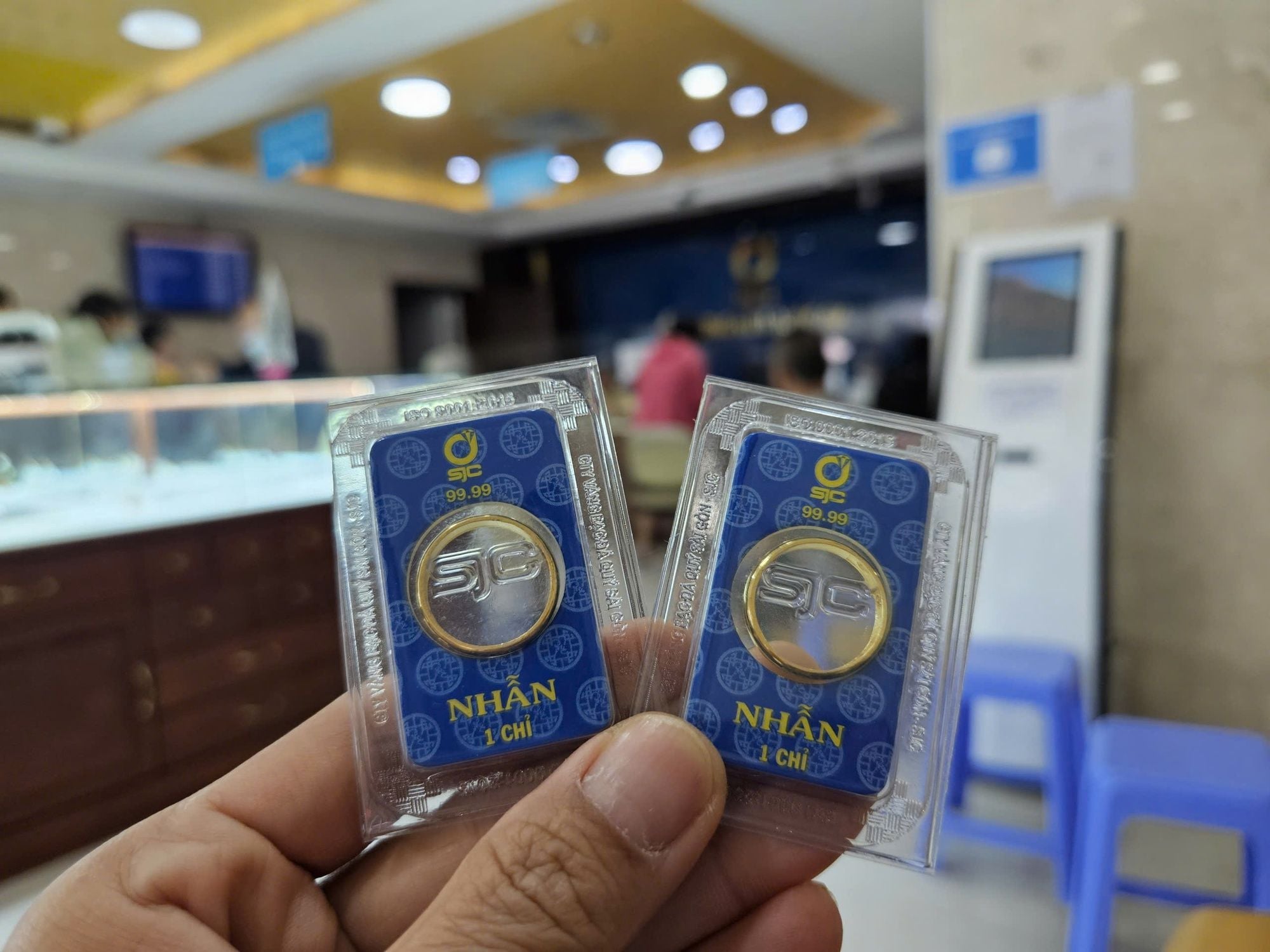
End of day March 17, several brands raised the price of plain gold rings to align with the SJC bullion price. At the close, SJC bullion was quoted buying at 180 million dong per tael and selling at 183 million dong per tael, up 400,000 dong per tael from the morning. Plain gold rings from SJC were bought at 179.7 million dong per tael and sold at 182.7 million dong per tael, also up 400,000 dong from the morning.
Some firms pushed ring prices higher. PNJ sold plain rings at 182.9 million dong per tael. Mi Hồng and Bảo Tín Minh Châu raised their selling prices to 183 million dong per tael, matching the SJC bullion selling price. Despite the increases, the buy-sell spread remained wide at about 3 million dong.
Domestic gold prices continued to reverse their trend, while on the international market gold eased toward around 5,000 USD per ounce, down about 15 USD from the morning session. Gold has been fluctuating around the 5,000 USD/ounce level, as investors weigh why it has not broken higher despite tensions in the Middle East, rising oil prices, and a stronger USD.
Economists said the price action reflects capital flows within the global financial system. They noted that when geopolitical tensions in the Middle East rise, oil often increases as concerns over energy supply disruptions lift production and transport costs, which can raise inflation. However, if inflation expectations rise again, markets may expect major central banks—especially the Federal Reserve—to keep monetary policy tight for longer or delay rate cuts.
In addition, a stronger USD makes gold, a non-yielding asset, more expensive for holders of other currencies, which can reduce demand in international markets.
In the long run, economists added that if oil remains high and real inflation increases, gold can resume its role as an inflation hedge. They said the recent declines may also reflect short-term corrections as markets rebalance capital flows.







Premium gym chains are entering a “golden era” that is ending or already in decline, as rising operating costs collide with shifting consumer preferences toward more flexible, community-based ways to exercise. Long-term memberships are shrinking, margins are pressured by higher rents and facility expenses, and competition from smaller, more personalized…




