•
•
•
•
•
•
•
•
•
•
•
•
•
•
•
•
•
•
•
•
•
•
•
•
•
•
•
•
•
•
•
•
•
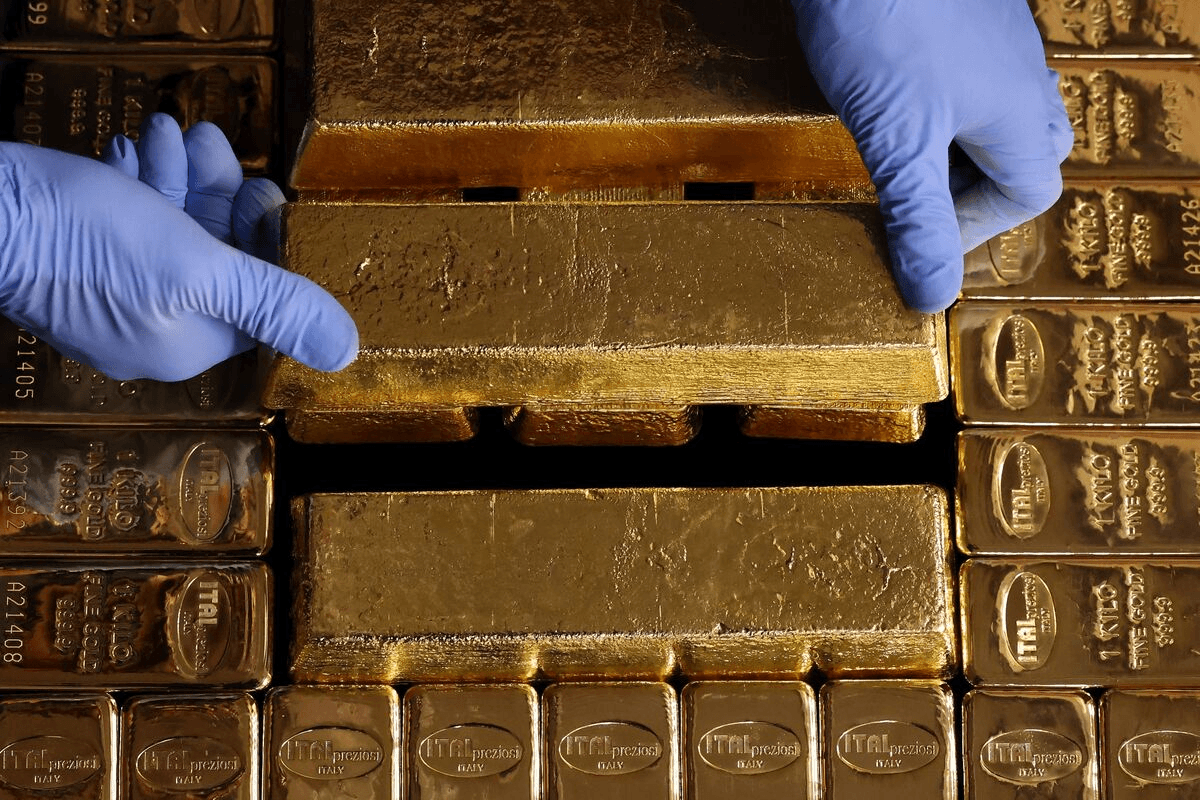
Gold prices have come under near-term downside pressure after a sharp rise in oil prices reignited inflation concerns and prompted central banks to reconsider when monetary easing might begin. While some policymakers are even discussing the possibility of rate hikes, analysts say the long-term fundamentals supporting gold remain intact.
Earlier in the year, forecasts for the 2026 economic environment were viewed as supportive for gold, with inflation expected to cool and rate cuts anticipated soon. That outlook helped push gold to a near-all-time high of close to $5,600 per ounce by the end of January, after the metal gained a record 65% in 2025.
However, the tone changed quickly as central banks adopted a more cautious stance, waiting for clarity as higher energy prices complicate the outlook. Even if rate hikes are not expected immediately, expectations for rate cuts—particularly by the Federal Reserve—have been pushed back. Because gold does not pay interest, later-than-expected cuts increase the opportunity cost of holding the metal and have weighed on the precious-metals market.
Analysts point to the largest oil supply shock the global economy has faced, citing the World Bank’s April report. Brent crude oil futures in London surged from $72 a barrel to $126 a barrel in the past week, the highest level in more than four years. This supply-driven inflation can force central banks to keep policy tighter for longer, even if economic growth slows—an environment that can limit gold’s upside.
Despite the headwinds, gold’s underlying demand picture remains strong. In its latest report, the World Gold Council (WGC) said global gold demand rose 2% year over year in Q1 to 1,231 tonnes. The total value of demand climbed 74% to a record $193 billion.
Investment demand continued to lead, with bar and coin demand increasing 42% to 474 tonnes, the second-highest quarterly level in history. The WGC also highlighted that physical demand—particularly from Asia—suggests investors are still using gold as a safe-haven and hedge.
Neils Christensen of Kitco News said sentiment has remained resilient even as gold prices enter a correction, reflecting the strength of physical and investment demand.
Several long-term forecasts continue to support a bullish medium-term view. Bank of America still projects a gold price target of $6,000 per ounce over the next 12 months, citing structural factors including rising global debt and persistent geopolitical risk.
The World Bank projects gold will remain at historically high levels, averaging around $4,700 per ounce in 2026. The projection implies a more mature phase of the bull market—prices remain elevated, but macro pressures, especially higher interest rates, are expected to create greater resistance.
Christensen described the current market as shaped by a tension between gold’s role as an inflation hedge and the delay in rate cuts. Higher oil-driven inflation could strengthen gold’s hedging appeal, but it may also keep central banks from easing policy, which can cap gains.
He concluded that gold could face continued near-term downside risks, but the broader trend has not changed: “With global debt rising and geopolitical frictions deepening, gold remains in a long-term bull market, even if the path higher becomes more volatile.”
Premium gym chains are entering a “golden era” that is ending or already in decline, as rising operating costs collide with shifting consumer preferences toward more flexible, community-based ways to exercise. Long-term memberships are shrinking, margins are pressured by higher rents and facility expenses, and competition from smaller, more personalized…