•
•
•
•
•
•
•
•
•
•
•
•
•
•
•
•
•
•
•
•
•
•
•
•
•
•
•
•
•
•
•
•
•


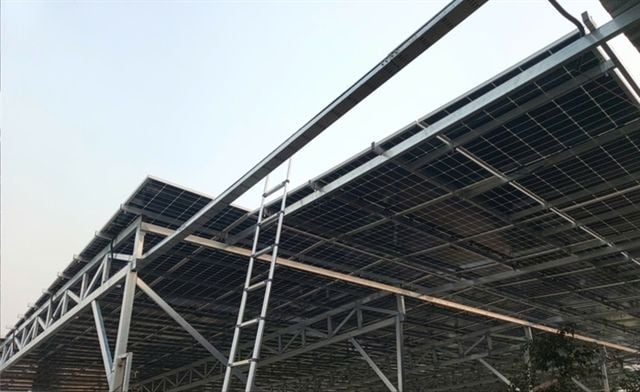
As rooftop solar installations expand amid hotter weather and forecasts for prolonged heat, demand for systems that help residents save electricity remains high. However, residents who install rooftop solar without a clear understanding of the legal framework may face risks, particularly as Decree 133/2026/ND-CP on administrative penalties in the electricity sector takes effect on May 25.
Under the decree, violations in the electricity sector—especially those related to renewable energy and new energy—can be fined from VND 500,000 to VND 100,000,000. Violations concerning electricity operation licenses can be fined up to VND 200,000,000.
For rooftop solar systems under self-generation and self-consumption, penalties may apply if residents do not notify or violate grid connection and registration rules. Depending on the case, fines can range from warnings to VND 20,000,000, and can reach up to VND 100,000,000 in serious cases.
In addition to fines, individuals and organizations may face enforcement measures such as seizure of goods, revocation of certificates, or suspension of operations for a period.
In an interview with a reporter, Mr. To Huu Quang, Project Director at Win Win Power Co., said residents should note several requirements when starting rooftop solar installations to minimize risk.
Residents should sign a contract that clearly defines responsibilities and terms with the installer. Without a contract, seeking compensation or warranty support can be difficult.
Residents should require the installer to provide full design documents and technical diagrams. These materials are necessary to support notification procedures with the electricity authority and to facilitate inspection and acceptance. In practice, many installations lack technical drawings, which can lead to non-acceptance by authorities.
Residents should pay close attention to equipment quality and origin. The market includes self-assembled solar storage batteries with unclear origin and without quality certification. Such products can complicate acceptance and create safety risks, including fire hazards.
When selecting storage batteries and inverters, residents should ensure compatibility. Mismatches can reduce system performance or cause damage.
Another key requirement is to complete notification procedures. In practice, these procedures are typically straightforward and often assisted by the installer.
“When starting rooftop solar installation, residents must sign a clear contract to have a legal basis to address incidents such as fires, damages, or non-compliance with initial terms.”
Mr. To Huu Quang also advised residents not to choose the cheapest solutions. Instead, they should verify product quality, including brand, origin, and warranty, to help ensure the system operates at its rated capacity.
Photo: Le Tinh.

Premium gym chains are entering a “golden era” that is ending or already in decline, as rising operating costs collide with shifting consumer preferences toward more flexible, community-based ways to exercise. Long-term memberships are shrinking, margins are pressured by higher rents and facility expenses, and competition from smaller, more personalized…