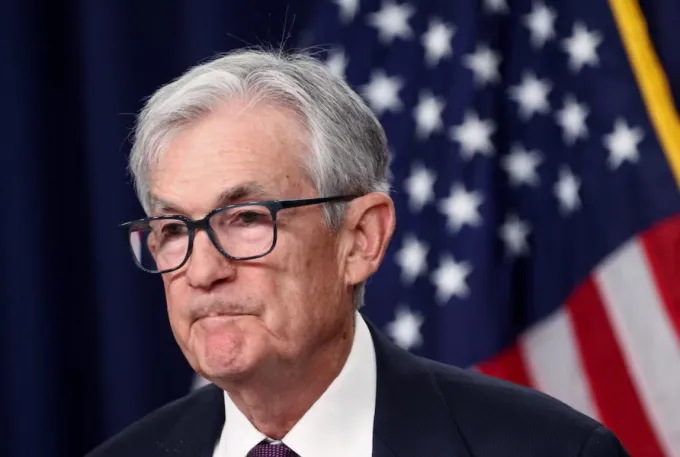
As expected by the market, the U.S. Federal Reserve (Fed) kept rates unchanged at its third policy meeting of the year. On April 29, after a two-day policy meeting, the Fed decided to hold the target range at 3.50-3.75%. The move was similar to the January and March meetings.
In its statement, the Fed said: “Inflation is running hotter, partly reflecting the recent strength in global energy prices. Developments in the Middle East are contributing to elevated uncertainty for the economic outlook.” The wording differed from the previous meeting, dropping the phrase “a little” when describing inflation acceleration.
The Fed also maintained its language on how it will evaluate “the magnitude and timing of the next rate moves.” The phrasing suggests that rate cuts could come later. The central bank added that “the unemployment rate has been little changed in recent months” and that the economy continues to grow “at a solid pace.”
Following the Fed’s announcement, major U.S. stock indices fell further. The S&P 500 and Nasdaq Composite were down 0.27%. The Dow Jones Industrial Average fell about 0.7%.
In commodities, gold futures fell by $61 per ounce to $4,534. The precious metal faced pressure from the early stage of the Middle East conflict, as higher energy prices lifted inflation and kept central banks cautious about cutting rates.
This meeting marked the biggest split in views since 1992, when four officials dissented from the decision. Cleveland Fed President Beth Hammack, Fed President Neel Kashkari, and Dallas Fed President Lori Logan voted to hold rates but did not support including in the joint statement a dovish tilt at this time.
Governor Stephen Miran continued to vote for a 25-basis-point cut.
The meeting could be Chair Jerome Powell’s final one. On April 29, Kevin Warsh—nominated by former President Donald Trump to chair the Fed—was approved by the Senate Banking Committee. Senator Thom Tillis supported Warsh after the Justice Department dropped a criminal probe into Powell.
Going forward, the confirmation is expected to move to the full Senate, with lawmakers potentially voting as soon as the next two weeks. If results remain unchanged, Warsh could take the helm as Fed chair after Powell’s term ends on May 15. The next Fed meeting is scheduled for June.
Investors currently forecast that the Fed is unlikely to cut rates before mid-next year.