•
•
•
•
•
•
•
•
•
•
•
•
•
•
•
•
•
•
•
•
•
•
•
•
•
•
•
•
•
•
•
•
•


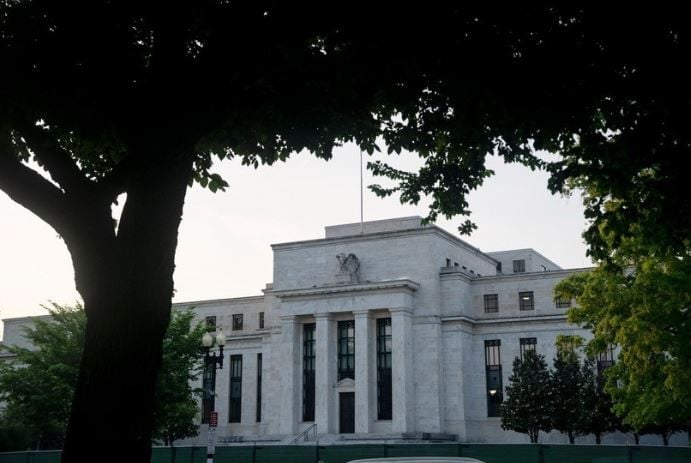
Fed is likely to keep rates unchanged amid inflation concerns Energy prices remain elevated and uncertainty from the Middle East conflict suggests the Fed will continue to hold the policy rate at 3.50% to 3.75%, prioritizing inflation control in a difficult economy with many moving parts. The U.S. Federal Reserve (Fed) headquarters in Washington, D.C. (Source: THX/TTXVN) The Fed is expected to keep rates steady at its policy meeting next week, given energy prices remain high and supply chains are disrupted by the Middle East conflict. The two-day meeting, starting April 28, could be the last time Jerome Powell holds the top position at the central bank. However, this event comes in a challenging context: Powell’s successor faces obstacles in confirmation, while policymakers face conflicting pressures as rising energy prices fuel inflation and concerns about the labor market persist. In this context, officials are forecast to hold the rate in a range of 3.50%–3.75%, extending the wait-and-see stance since the start of the year. The Fed has a dual mandate to maintain price stability and ensure low unemployment. The central bank typically tends to keep rates high to restrain inflation or cut rates to stimulate growth. This situation places policymakers at odds amid current conditions. Heather Long, chief economist at Navy Federal Credit Union, predicts Powell will not commit to a specific path for the rate, as the full impact of the Iran conflict remains unclear. As the conflict moves into its ninth week, Fed officials are likely to focus more on inflation control than on employment in this meeting. U.S. consumer inflation in March rose to the highest in nearly two years, at 3.3%, driven by a surge in energy costs. Federal Reserve Governor Christopher Waller, who previously supported rate cuts to aid employment, hinted earlier this month that a prolonged conflict could make it harder for the Fed to cut rates this year. Meanwhile, Kenneth Kim, chief economist at KPMG, said the recent positive employment data provides a cushion for the Fed to temporarily focus more on price levels. Analysts will also closely monitor whether the Fed signals a potential rate increase in the post-meeting statement./. Khánh Ly







Premium gym chains are entering a “golden era” that is ending or already in decline, as rising operating costs collide with shifting consumer preferences toward more flexible, community-based ways to exercise. Long-term memberships are shrinking, margins are pressured by higher rents and facility expenses, and competition from smaller, more personalized…




