•
•
•
•
•
•
•
•
•
•
•
•
•
•
•
•
•
•
•
•
•
•
•
•
•
•
•
•
•
•
•
•
•


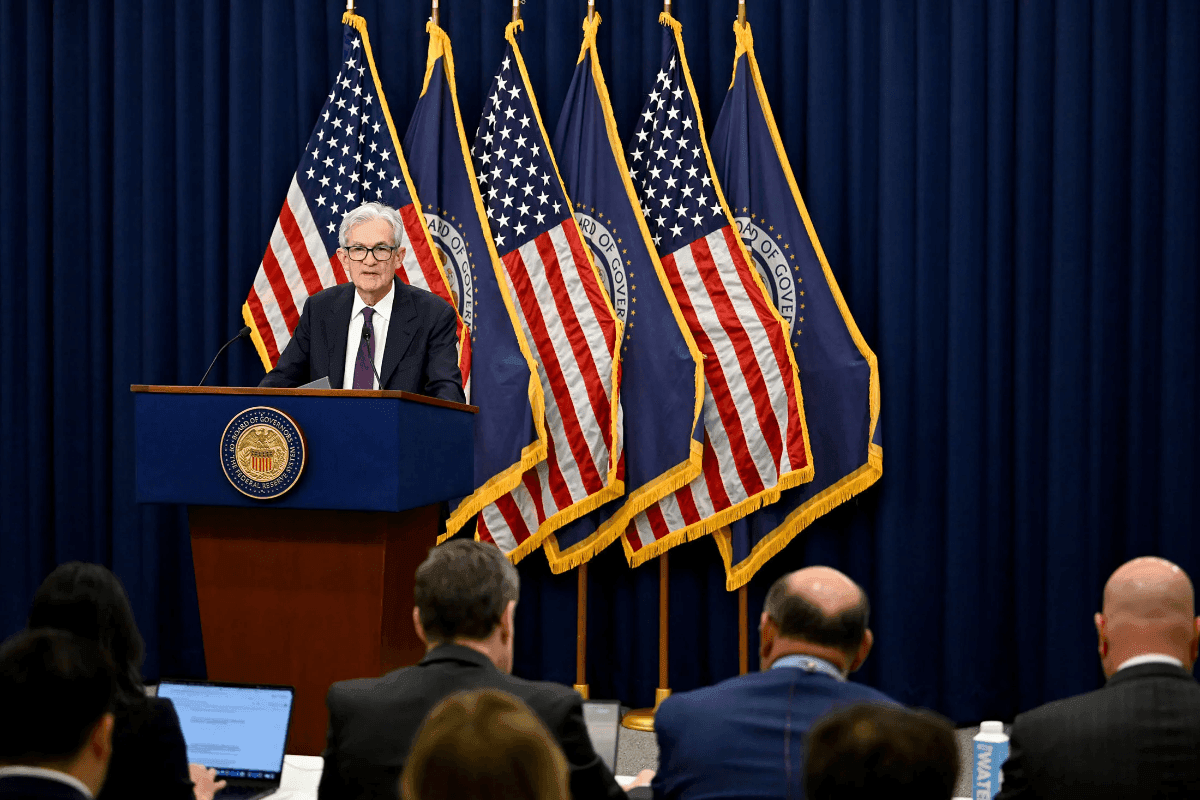
Fed meeting: Rare split in interest-rate views as Powell signals he will stay. In the monetary policy meeting that concluded on April 29, the U.S. Federal Reserve showed an unusual split among policymakers' views on interest-rate policy amid rising inflation pressure and a leadership transition at the central bank. Powell indicated he will remain on the Board of Governors after his term as Fed chair ends mid-next month. FED SPLIT IN POWELL'S FINAL MEETING AS CHAIR The Fed's decision to hold the federal funds rate at 3.50-3.75% was not surprising. Yet the FOMC vote revealed a rare split: eight members voted to hold rates, one dissented, and three supported holding the rate but did not object to including language signaling a tendency toward later rate cuts. The three dissenters objected to a sentence in the statement: 'When considering the degree and timing of additional adjustments to the federal funds rate, the Committee will carefully assess upcoming data, the evolving outlook, and the balance of risks.' This wording suggests the possibility of further easing, implying a path of rate cuts that Fed had implemented in 2024 and 2025. CNBC noted that the last time four FOMC members dissented was October 1992. The dissent occurred in Powell's final meeting as chair, as his term ends in mid-May. In the post-meeting press conference, Powell signaled he would remain on the Fed's Board for an unspecified period, noting only that he would wait until the investigation into the renovation of the Fed's headquarters ends 'completely and transparently with a final result.' Powell’s tenure as Fed chair has been characterized by building consensus with relatively little dissent; this term ends with four dissents, suggesting dissent could persist under a new chair and reflecting that the near‑term outlook remains uncertain given signs of labor-market strength and growth while inflation remains above 3% since late 2023, according to Brent Schutte, CIO of Northwestern Mutual. Procedurally, some Fed officials have warned about persistent inflation risks. The FOMC statement acknowledged that 'inflation is still elevated, partly reflecting the recent rise in global energy prices.' After the statement, futures traders stopped betting on a rate cut this year, with some pricing in a later cut in 2027. In the March forecast, the Fed projected one rate cut this year and another in 2027, bringing the federal funds rate to a neutral level of around 3.1%. In addition to higher energy costs, inflationary pressure in the U.S. economy also stems from policy measures under President Trump. Economists say the Fed typically shrugs off temporary price shocks from these factors, but persistent energy-price increases raise concerns about longer-term inflation.







Premium gym chains are entering a “golden era” that is ending or already in decline, as rising operating costs collide with shifting consumer preferences toward more flexible, community-based ways to exercise. Long-term memberships are shrinking, margins are pressured by higher rents and facility expenses, and competition from smaller, more personalized…




