•
•
•
•
•
•
•
•
•
•
•
•
•
•
•
•
•
•
•
•
•
•
•
•
•
•
•
•
•
•
•
•
•


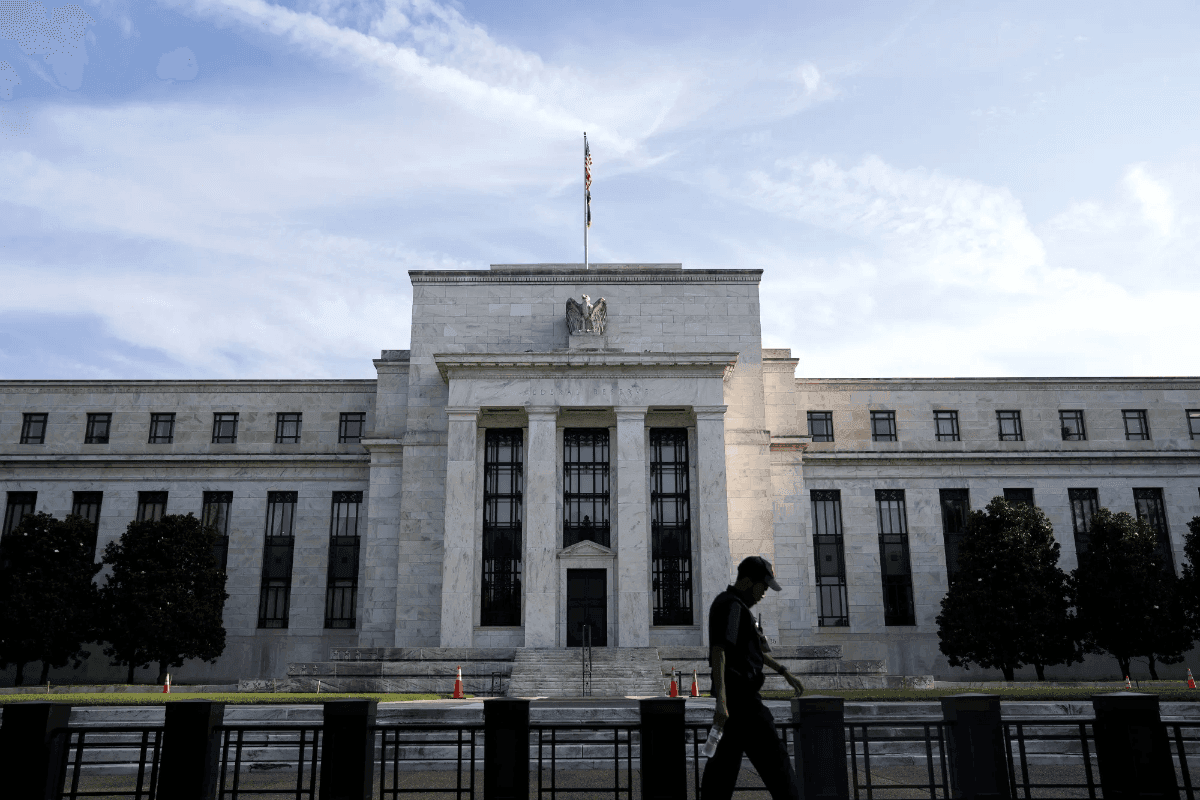
Federal Reserve is a self-financing agency, rather than being funded by the U.S. Treasury budget like other federal agencies. Whether the Fed records a loss or a profit is effectively a result of its monetary policy operations and does not affect its day-to-day operations. Three consecutive years of losses reflect the impact of the aggressive rate-hike campaign the Fed has pursued since 2022 to curb inflation after the Covid-19 pandemic. The Fed's main income comes from its large portfolio of Treasuries and mortgage-backed securities; however, the Fed also has to pay interest on the reserves banks hold in their accounts at the Fed. When these interest payments exceed income from the bond portfolio, the Fed incurs a loss. The losses over the past three years have been driven by higher interest rates, which means the interest the Fed pays is larger than the interest it earns from its bond portfolio. Generating profits is not the Fed's primary objective, but before 2022 the Fed almost always earned annual profits. After covering operating costs, any remaining profits were remitted to the Treasury. Unlike other federal agencies, the Fed does not need to go to Congress to obtain a budget to cover losses. Instead, the Fed creates a liability called a 'deferred asset.' When the Fed earns profits in future years, it will first cover operating costs and offset this liability, then send any remaining profits to the Treasury. Earlier, Fed officials had warned about political backlash if the Fed had to raise rates quickly and incur losses on its investment portfolio. Last year, President Donald Trump criticized the Fed over cost overruns in the renovation of the central bank's headquarters, claiming mismanagement of finances and expressing dissatisfaction with the Fed not cutting rates faster. Focusing on the HQ renovation project, the Trump administration opened a federal criminal probe into Fed Chair Jerome Powell. However, a judge recently rejected the DOJ subpoenas in this case. With the 2025 operating loss, the Fed's 'deferred asset' balance rose to $243.5 billion, from $216 billion in 2024. Earlier, from 2012 to 2021, the Fed remitted more than $870 billion to the Treasury, including $109 billion in 2021. The gap between income from the bond portfolio and interest paid on reserves narrowed significantly in the past year, helped by rate cuts. The Fed currently pays 3.65% on about $3 trillion of reserves, down from 4.4% on $3.4 trillion a year earlier. New York Fed's forecasts last year suggested the Fed could earn operating profits this year and, by the end of the decade, would have fully offset the 'deferred asset.'
Premium gym chains are entering a “golden era” that is ending or already in decline, as rising operating costs collide with shifting consumer preferences toward more flexible, community-based ways to exercise. Long-term memberships are shrinking, margins are pressured by higher rents and facility expenses, and competition from smaller, more personalized…