•
•
•
•
•
•
•
•
•
•
•
•
•
•
•
•
•
•
•
•
•
•
•
•
•
•
•
•
•
•
•
•
•


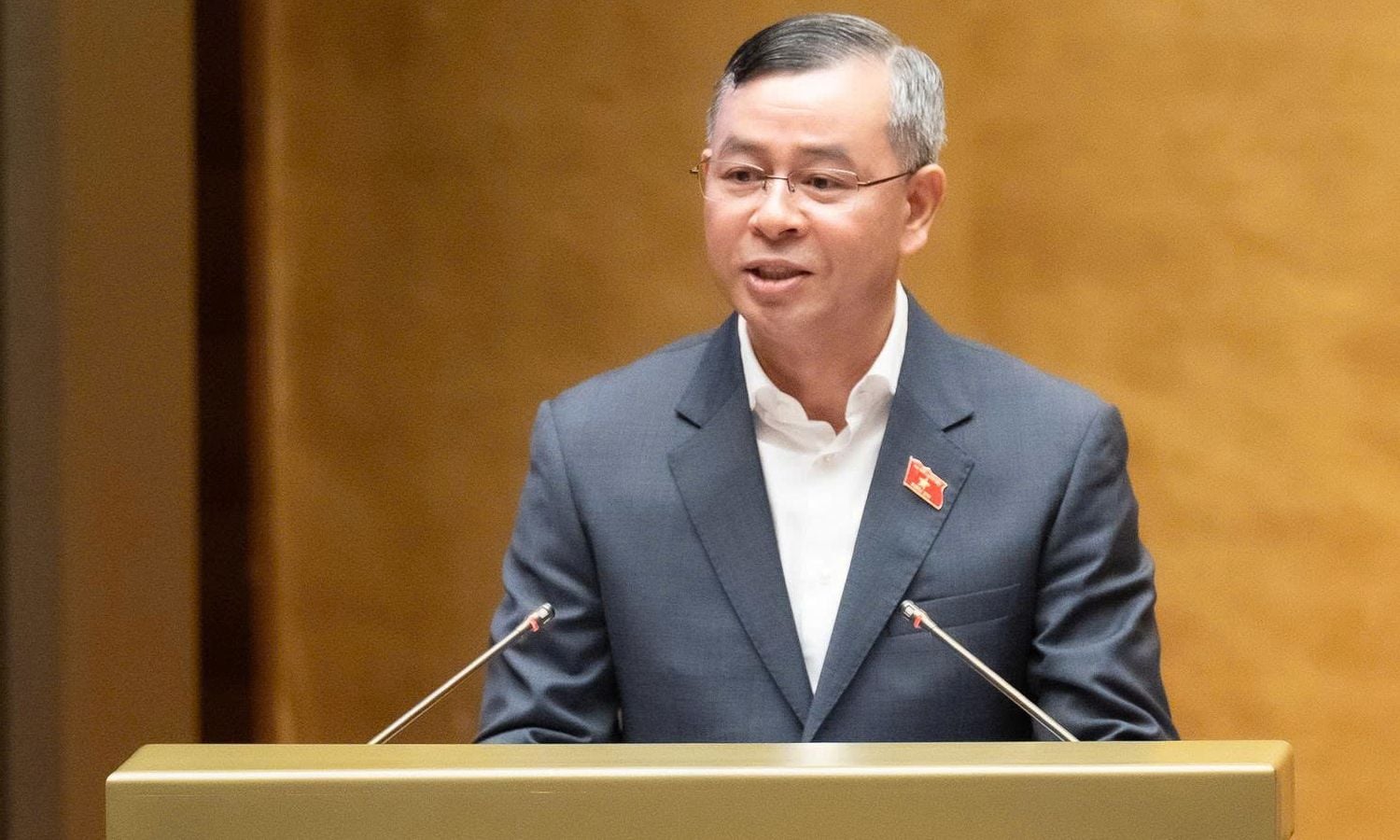
Finance Minister Ngo Van Tuan said the proposed exemption threshold of 1 billion dong for household businesses is balanced in light of current fiscal considerations. On the morning of April 23, 2026, deputies discussed amendments to several laws, including Personal Income Tax, Value-Added Tax, Corporate Income Tax, and Special Consumption Tax.
The Ministry has prepared a draft decree amending and supplementing Decree 68/2026 on tax policy for households and individual taxpayers, and Decree 320/2025 detailing implementation measures for the above laws. The minister said the draft decree is currently under legal appraisal, and that once the amended laws are enacted, the government will issue guiding documents immediately to support early implementation.
Under the proposal, the 1-billion-dong threshold would double the current exemption threshold and reduce budget revenue by about 7,000 billion dong. The minister’s breakdown indicated that exemption up to 1 billion dong for households and individuals would reduce revenue by about 4,800 billion dong, while small enterprises—estimated at around 256,000 firms—would account for about 2,100 billion dong of the revenue reduction.
The Ministry said the proposed level is appropriate for current conditions and will continue to study and report to the National Assembly.
On tax administration, the minister emphasized that tax law should be designed to be neutral and efficient, with the lowest possible compliance costs.
Deputies also supported extending Special Consumption Tax reductions for electric vehicles. They urged the government to study additional measures to avoid a “shock” when incentives expire, and the Finance Minister said he would incorporate MPs’ opinions.
Proposals for unified thresholds across different taxes were raised during the discussion. MP Thach Phuoc Binh suggested that instead of fixing a hard threshold in law, the government should be allowed discretion based on economic and social context, describing this as an important institutional step.
He also noted that adding corporate income tax exemptions for qualified enterprises under the threshold could ease financial and compliance burdens and support the startup ecosystem.
Deputies also raised concerns about potential tax avoidance through business fragmentation. They said rules should be added regarding related parties and the aggregation of revenue for entities with common ownership to ensure fairness and prevent revenue leakage.






Premium gym chains are entering a “golden era” that is ending or already in decline, as rising operating costs collide with shifting consumer preferences toward more flexible, community-based ways to exercise. Long-term memberships are shrinking, margins are pressured by higher rents and facility expenses, and competition from smaller, more personalized…