•
•
•
•
•
•
•
•
•
•
•
•
•
•
•
•
•
•
•
•
•
•
•
•
•
•
•
•
•
•
•
•
•



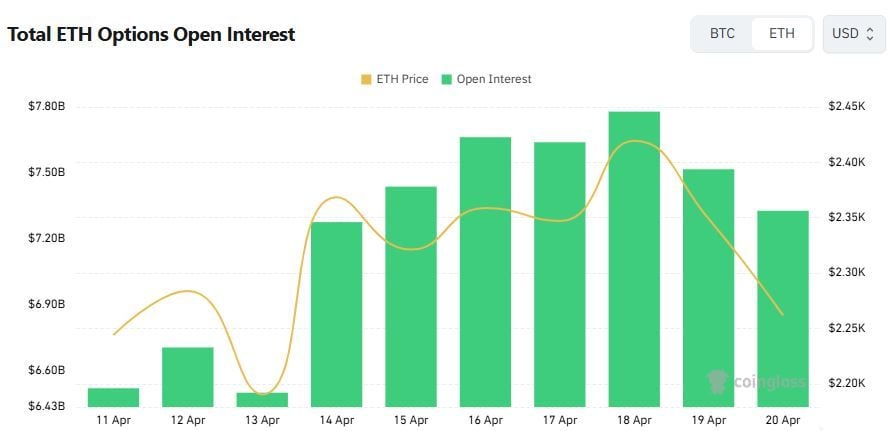
Well-known market analyst Ansem issued a warning for Ethereum investors, arguing that Ethereum’s weakening fundamental value proposition could trigger a drop below $1,000 by the end of the current year.
Ansem pointed to several developments that, in his view, are eroding the “ETH thesis.” He cited DeFi exploits and capital outflows from major lending venues, alongside weakening network fundamentals.
According to Ansem, Ethereum’s role as the primary hub for retail and broader activity has diminished. He noted that Solana has become the main hub of retail activity in the current cycle, while Hyperliquid has taken the lead in decentralized perpetuals trading.
Ansem also said that general-purpose rollups have failed to gain meaningful traction, and he referenced Vitalik Buterin as having “publicly abandoned” this development direction.
Ansem argued that confidence is being undermined by instability in the Aave ecosystem and the broader perception of Ethereum as a “safe haven” for institutional capital.
He highlighted the Kelp DAO exploit and rsETH tokens, which he said resulted in approximately $292 million being withdrawn. He linked this to subsequent deposit outflows from Aave, estimating that around $6 billion has left the protocol as users sought to secure their capital.
Ansem added that investor confidence is being pulled toward the artificial intelligence sector and tech stocks, which he described as offering “real revenue” and more attractive growth prospects than assets in stagnating DeFi protocols.
Ansem set the hard invalidation level for the bearish scenario at $2,700–$2,800, but said reaching that range would require fundamentally new growth drivers within the Ethereum ecosystem.





Premium gym chains are entering a “golden era” that is ending or already in decline, as rising operating costs collide with shifting consumer preferences toward more flexible, community-based ways to exercise. Long-term memberships are shrinking, margins are pressured by higher rents and facility expenses, and competition from smaller, more personalized…