•
•
•
•
•
•
•
•
•
•
•
•
•
•
•
•
•
•
•
•
•
•
•
•
•
•
•
•
•
•
•
•
•


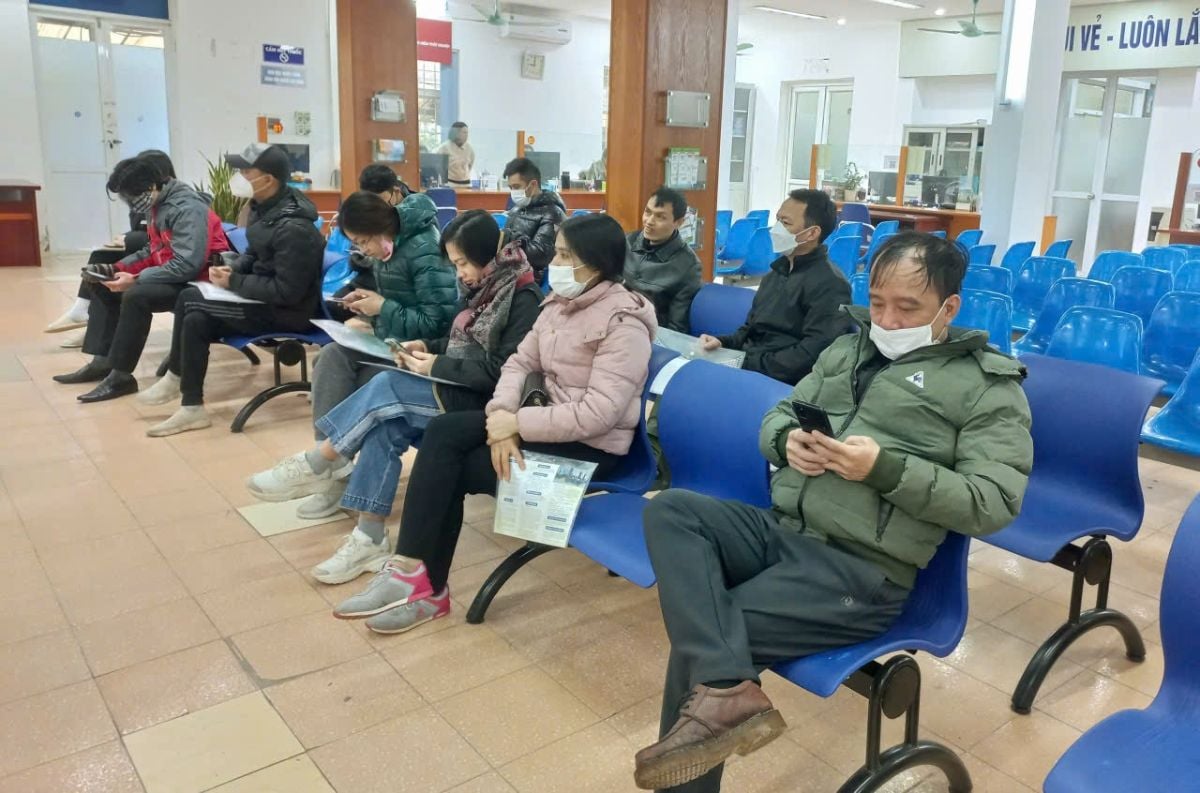
Flexible unemployment insurance contribution rules, capped at 1%, will replace the previous rigid regime, allowing enterprises and workers to adjust contribution levels according to actual conditions. The Labour Law 2025, effective from January 1, 2026, regulates unemployment insurance contributions with greater flexibility, aiming to reduce the financial burden on businesses during challenging periods.
Under the previous framework, contributions were fixed: employees contributed 1% and employers contributed 1% of the payroll of participating workers, with the state budget providing support in some cases.
Under the new law, contributions follow a flexible principle with a maximum cap of 1%. Based on practical conditions and the Unemployment Insurance Fund’s surplus, the Government will determine specific contribution rates to balance the interests of workers and employers.
According to Mr. Tran Tuan Tu, Head of the Unemployment Insurance Department at the Job Service (Ministry of Home Affairs), when the Unemployment Insurance Fund has a large surplus, the policy allows the Government to adjust the contribution rate downward in a timely manner if enterprises face difficulties. This mechanism is also intended to strengthen support for targeted groups when necessary.
Job Service representatives noted that in 2021, during the Covid-19 pandemic, support from the Unemployment Insurance Fund had to be transmitted through multiple levels, including the Standing Committee of the National Assembly, the Government, and the Prime Minister.
The fund supported more than 13 million workers who had participated in unemployment insurance (minimum one month). Support amounts ranged from 1.8 million to 3.3 million dong per person, totaling over 32,000 billion dong.
In addition, about 446,000 employers were supported to reduce contributions for 12 months, from 1% to 0%, with total funds of over 9,100 billion dong. Overall, the total scale of support from the Unemployment Insurance Fund during the pandemic reached over 41,000 billion dong.
Because contributions were previously fixed at 1%, the scope for adjustment was limited. With the new regulation, the maximum contribution rate remains at 1%, but the system allows more flexibility, particularly in force majeure situations, enabling timely support and reducing costs for both workers and employers.
The new policy also includes a provision to reduce contributions for employers who employ people with disabilities. The stated objective is to encourage hiring disadvantaged workers—initially people with disabilities—by giving them more opportunities to be employed by enterprises.
In addition, the regulation allows flexible payment methods. As unemployment insurance coverage expands to seasonal workers in agriculture, forestry, fisheries, and salt production, the new rules enable employers in these sectors to choose quarterly or semi-annual payment intervals. This is intended to better match the seasonal nature of work and reduce administrative burden associated with short-term contracts and pay-per-episode procedures.
Mr. Tran Tuan Tu said the new regulations are expected to create more favorable conditions for workers and participants, especially short-term workers newly covered under the Labour Law 2025.
Ms. Vu Thi Thanh Liet, Deputy Director of the Hanoi Employment Service Center (under the Department of Home Affairs), also assessed that flexible unemployment insurance contributions will help enterprises and workers adjust contributions based on the fund’s real situation rather than fixed rates. She said the mechanism helps reduce the financial burden on businesses during difficult periods while ensuring workers maintain participation in unemployment insurance.
The State also has a mechanism to support the fund based on the wage fund as the basis for contributions. This is intended to help stabilize the Unemployment Insurance Fund and avoid deficits in the event of a surge in beneficiaries or a crisis.



Premium gym chains are entering a “golden era” that is ending or already in decline, as rising operating costs collide with shifting consumer preferences toward more flexible, community-based ways to exercise. Long-term memberships are shrinking, margins are pressured by higher rents and facility expenses, and competition from smaller, more personalized…