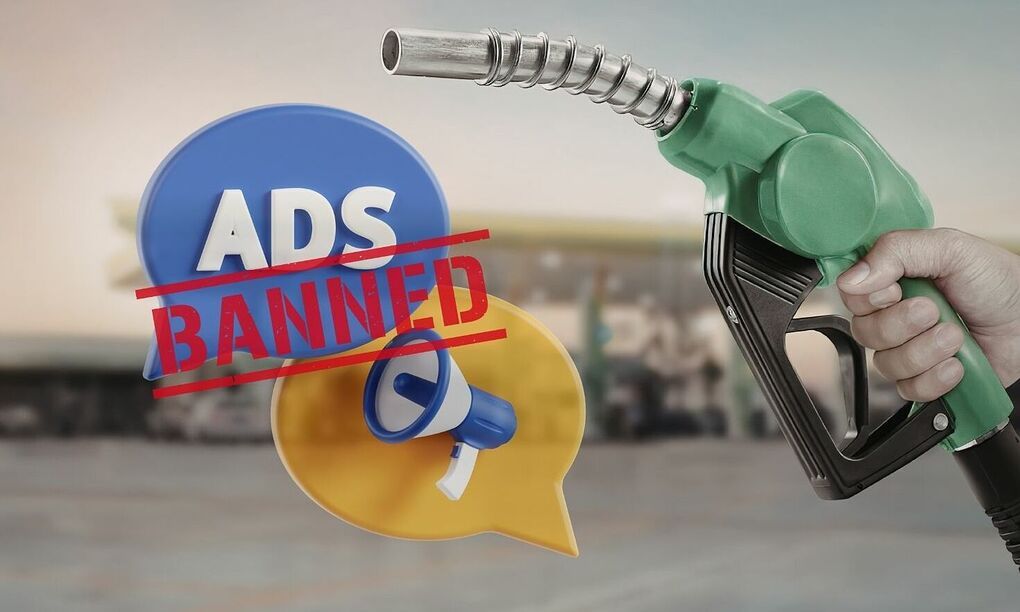
France will ban advertising of imported fossil fuels after a five-year delay, to promote the use of clean energy. On July 7, the French government confirmed it would publish a decree banning all advertising of imported fossil fuels before the end of this year. This is one of 22 measures to promote electricity use and reduce dependence on fossil fuels. In 2021, France passed the Climate and Resilience Law which prohibits marketing campaigns for fossil fuels, but the decree has not been implemented due to lack of guidance. According to Le Monde, the government’s new move will close the legal loophole that has existed for five years. 'The decree will end natural gas advertisements that we have seen recently, which run counter to the policy of gradually eliminating this fuel,' a French Energy Ministry official said. Environmental organizations say this is an incomplete victory. 'It’s hard to understand why it takes so many years for the decree to be issued. More disappointing is that its content is not strict enough,' said Edina Ifticene, Greenpeace France campaigner. Greenpeace and many organizations have called for an 'Evin Law for climate' inspired by laws restricting tobacco and alcohol advertising. They want the ban to cover all media campaigns by oil and gas companies, as well as products and services using fossil fuels, such as petrol-powered cars. France is committed to achieving net-zero emissions by 2050. The pathway includes a 50% reduction by 2030 (vs 1990 levels), ending coal use by 2030, oil by 2045, and gas by 2050. Late last month, French Development Minister Eleonore Caroit urged the World Bank to maintain its climate finance target, despite pressure from the US. Earlier, the Trump administration asked the World Bank to abandon the goal of dedicating 45% of lending annually to climate-related projects. Instead, Washington wants the bank to focus on core development loans, including financing fossil fuel projects. According to Caroit, in a context where climate-related disasters are forecast to become more frequent due to global warming, maintaining climate commitments is increasingly urgent. 'We need to send a strong signal to all countries and economic actors, especially amid a backlash against climate policy in some countries,' she said. Version An (theo Le Monde, Reuters).