•
•
•
•
•
•
•
•
•
•
•
•
•
•
•
•
•
•
•
•
•
•
•
•
•
•
•
•
•
•
•
•
•


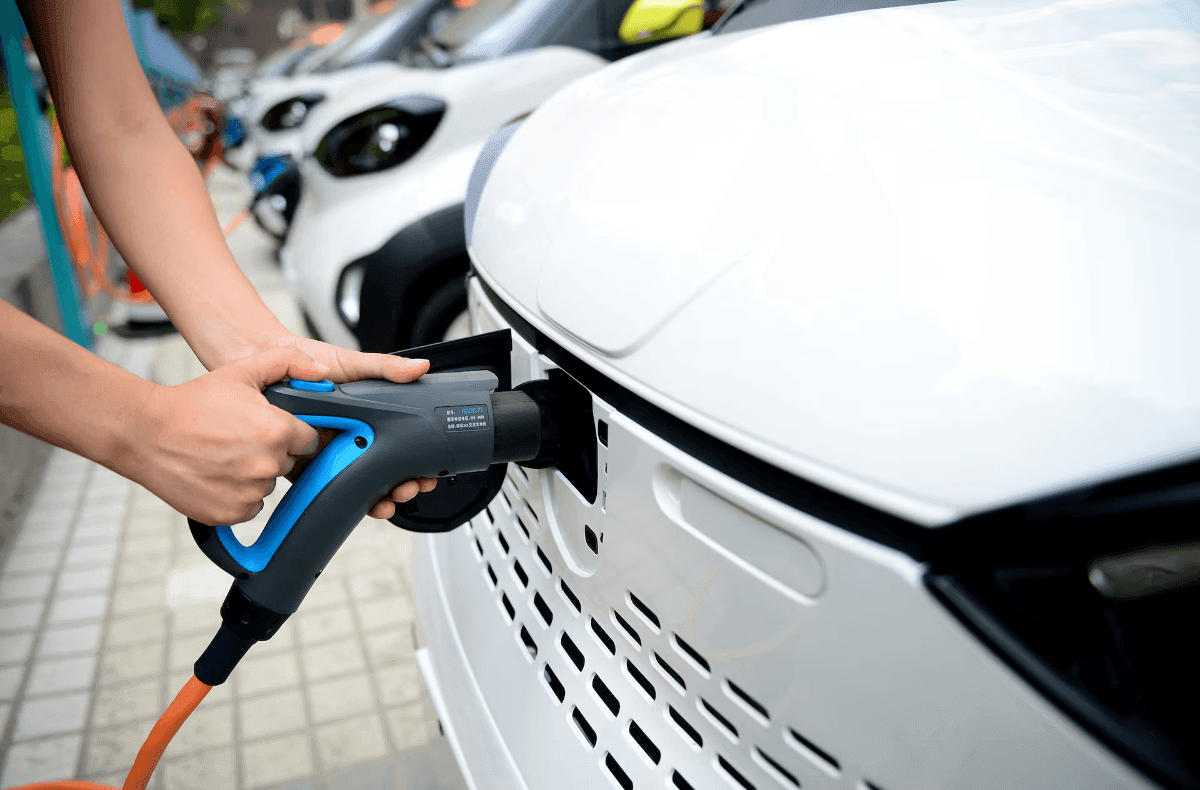
Consumers and businesses across the Asia-Pacific region are accelerating their shift to electric vehicles as fuel prices rise sharply following disruptions to energy supplies linked to the Middle East conflict.
Over the past month, the conflict in Iran has disrupted shipments through the Strait of Hormuz, a key maritime chokepoint for global energy markets. Under normal conditions, the strait carries about one-fifth of the world’s traded crude oil and LNG. The International Energy Agency (IEA) has described the disruption as the most serious energy-supply disruption in modern history.
More than 80% of crude oil passing through Hormuz is destined for Asia, leaving the region exposed to the energy shock. Cost pressures are pushing consumers, businesses and governments to reduce reliance on fossil fuels, with EVs increasingly viewed as a way to lower operating costs amid volatile fuel prices.
Australia: In Australia, demand for loans to buy electric vehicles surged in March. A report from National Australia Bank (NAB) showed EV loan applications more than doubled as more consumers visited showrooms to explore and purchase EVs. The same report said EV-related business loan inquiries rose by 88%. NAB’s head of corporate banking, Shane Ditcham, said more small and medium-sized enterprises and transport operators are turning to EVs and electrification solutions to reduce operating costs and improve resilience as fuel prices remain volatile.
Japan: Analysts cited by Reuters said Japan is seeing an accelerated shift to EVs driven by higher energy costs. Sanshiro Fukao of the Itochu Research Institute said that while fuel subsidies may be cushioning the impact, if energy costs remain elevated over the next month, the EV transition could accelerate further.
Battery-electric vehicles still represent under 2% of total car sales in Japan, with major automakers such as Toyota historically prioritizing hybrids over pure EVs. However, the Japanese government has raised EV purchase subsidies since January to a maximum of 1.3 million yen (about $8,144) per vehicle. In this context, Toyota and Nissan are expected to gradually broaden their domestic EV portfolios.
Separately, Tesla CEO Elon Musk said the company would increase investment in Japan, particularly in services and the Supercharger network.
New Zealand: In New Zealand, the EV transition is also intensifying. Transport Minister Chris Bishop said that in the week ending March 22 there were more than 1,000 new EV registrations, nearly doubling the previous week—described as the highest number of new EV registrations since late 2023.
South Korea: South Korea saw a similar pattern. New EV registrations in March rose more than twofold year-on-year as energy prices climbed. Reuters also reported that competition from foreign brands such as Tesla and BYD is increasing, while consumers move to lock in government subsidies. A BYD dealer in Gyeonggi Province told Reuters that while it is not yet clear how long the trend will last, higher oil prices are prompting many people to visit showrooms for test drives.
As domestic markets in China begin to saturate, demand for EVs across APAC is becoming a larger export opportunity for Chinese automakers. Data from China’s CPCA shows that battery-electric vehicles (BEVs) and plug-in hybrid electric vehicles (PHEVs) now account for more than 50% of total auto sales in China, indicating less room for growth domestically than in earlier phases.
Bill Russo, CEO of Automobility, a Shanghai-based consultancy, said China has moved past the explosive growth phase of new-energy vehicles, but the trend remains a strong driver of EV demand in many other markets.
BYD overseas exposure: BYD—China’s largest EV producer—is increasingly reliant on overseas markets as domestic demand slows. Last year, the share of overseas sales in BYD’s total sales rose more than twofold to 22.7%, and the trend continued in the first two months of 2026, with overseas share jumping to 50%.
According to BYD Sime Motors, BYD’s distributor in Malaysia, inquiries about BYD models in March rose versus the first two months of the year. The company said it has introduced corporate, public-sector and promotional programs to help buyers access EVs more readily.
Thailand demand backdrop: At the Bangkok International Auto Show last week, EV models drew strong consumer interest amid queues at gas stations across Thailand that raised concerns about fuel costs. Panupong Kunlachotpanit, 31, said he came to explore EV models because fuel prices are surging and the conflict is unlikely to ease soon.







Premium gym chains are entering a “golden era” that is ending or already in decline, as rising operating costs collide with shifting consumer preferences toward more flexible, community-based ways to exercise. Long-term memberships are shrinking, margins are pressured by higher rents and facility expenses, and competition from smaller, more personalized…




