•
•
•
•
•
•
•
•
•
•
•
•
•
•
•
•
•
•
•
•
•
•
•
•
•
•
•
•
•
•
•
•
•


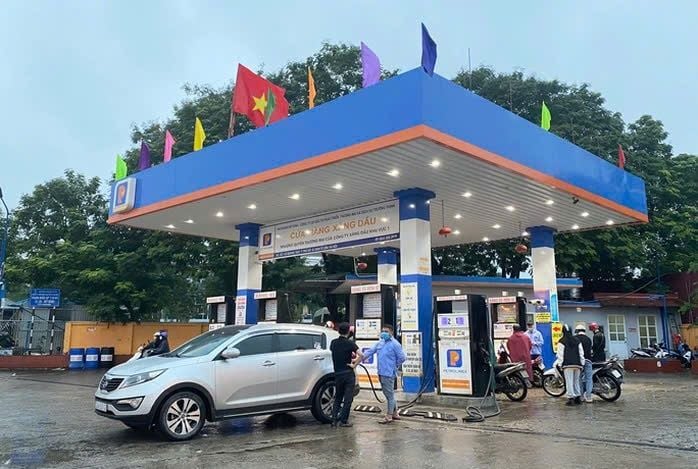
On March 12, the Ho Chi Minh City Police Department of Fire Prevention, Fire Fighting and Rescue issued a warning about increased fire and explosion risks linked to storing gasoline and diesel indoors, citing ongoing fuel price fluctuations and the seasonal rise in temperatures.
The department said some residents have been stocking fuel at home in plastic cans and bottles. Officials warned that this practice creates a significant hazard, particularly during hot weather, when fuel-related conditions can worsen quickly.
To reduce risk, the police department advised residents and facilities to follow these steps:
Officials explained that gasoline evaporates quickly. They noted that plastic containers that are not airtight, combined with hot weather, can increase internal pressure and lead to leaks.
Gasoline vapors, they added, are heavier than air and tend to accumulate in low, enclosed spaces such as under stairs, kitchen corners, or basements. When enough vapors build up, even a small ignition source—such as a light switch, gas stove ignition, or a cigarette—can ignite the vapors.
The police department also warned that fuel fires typically spread rapidly, produce high heat and smoke, and can block the only escape route of a home.
The department highlighted the role of the 114 fire alarm app, which is integrated with the national population database through VNeID accounts. In the event of a fire, residents can use the app to make live video calls, capture photos of the scene, and record videos to send to the command center.
Officials said these visuals, along with GPS coordinates, help police assess the scale of an incident and dispatch resources more quickly.
They also noted that current regulations require managed facilities to install and maintain fire reporting devices to ensure timely and accurate incident reporting.
Source: Anh Vũ, Người Lao Động









Premium gym chains are entering a “golden era” that is ending or already in decline, as rising operating costs collide with shifting consumer preferences toward more flexible, community-based ways to exercise. Long-term memberships are shrinking, margins are pressured by higher rents and facility expenses, and competition from smaller, more personalized…


