•
•
•
•
•
•
•
•
•
•
•
•
•
•
•
•
•
•
•
•
•
•
•
•
•
•
•
•
•
•
•
•
•


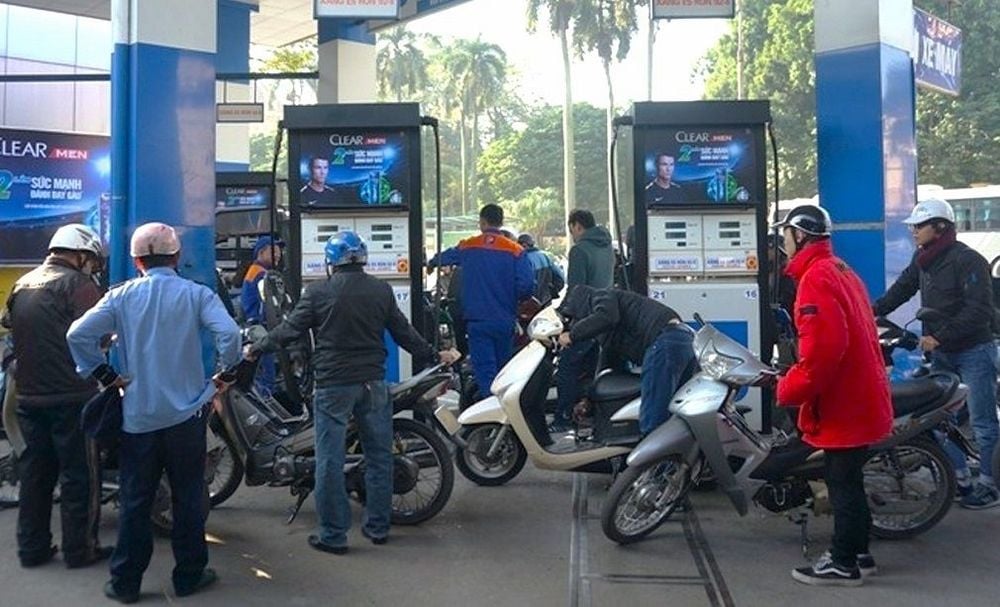
Under pressure from geopolitical conflicts that have pushed global energy prices higher, Vietnam adjusted domestic fuel prices in the March 10 administration cycle. Gasoline prices rose, diesel increased, while kerosene fell. To curb price shocks, authorities decided to use the Fuel Stabilization Fund.
On the night of March 10, 2026, the Ministry of Industry and Trade and the Ministry of Finance announced fuel price adjustments. In this cycle, they applied the Fuel Stabilization Fund, including: biofuel gasoline 4,000 dong per liter; unleaded gasoline 4,000 dong per liter; diesel 5,000 dong per liter; kerosene 4,000 dong per liter; and mazut 4,000 dong per kg.
After applying the Fuel Stabilization Fund, retail prices of commonly used fuels are set as follows:
In the same period, if the Stabilization Fund had not been applied, the base prices on March 10, 2026 would have been:
The Ministry said the increase in world fuel prices was driven by: ongoing military conflicts among the US, Israel and Iran; Gulf oil exporters cutting output as exports through the Hormuz Strait are disrupted; fuel stockpiling across countries; and the continued Russia-Ukraine conflict. These factors pushed up world energy prices on March 9, 2026.
Specifically, the average international prices for gasoline and fuel products between March 7, 2026 and the operating date March 10, 2026 were:
Given global price volatility, exchange-rate fluctuations, and existing regulations—citing Government Resolution 36/NQ-CP dated March 6, 2026 and MOIT’s Decision 441/QD-BCT dated March 10, 2026 on applying the Stabilization Fund for fuel—the Ministry of Industry and Trade and the Ministry of Finance decided to implement a price-management plan combining stabilization with domestic price adjustments.
The plan also includes maintaining a reasonable price gap between biofuel E5RON92 and mineral gasoline RON95 to encourage biofuel use, while ensuring balanced interests among market participants.
The Ministry of Industry and Trade further urged lead fuel traders and distributors not to hoard fuel or wait for price increases.






Premium gym chains are entering a “golden era” that is ending or already in decline, as rising operating costs collide with shifting consumer preferences toward more flexible, community-based ways to exercise. Long-term memberships are shrinking, margins are pressured by higher rents and facility expenses, and competition from smaller, more personalized…




