•
•
•
•
•
•
•
•
•
•
•
•
•
•
•
•
•
•
•
•
•
•
•
•
•
•
•
•
•
•
•
•
•


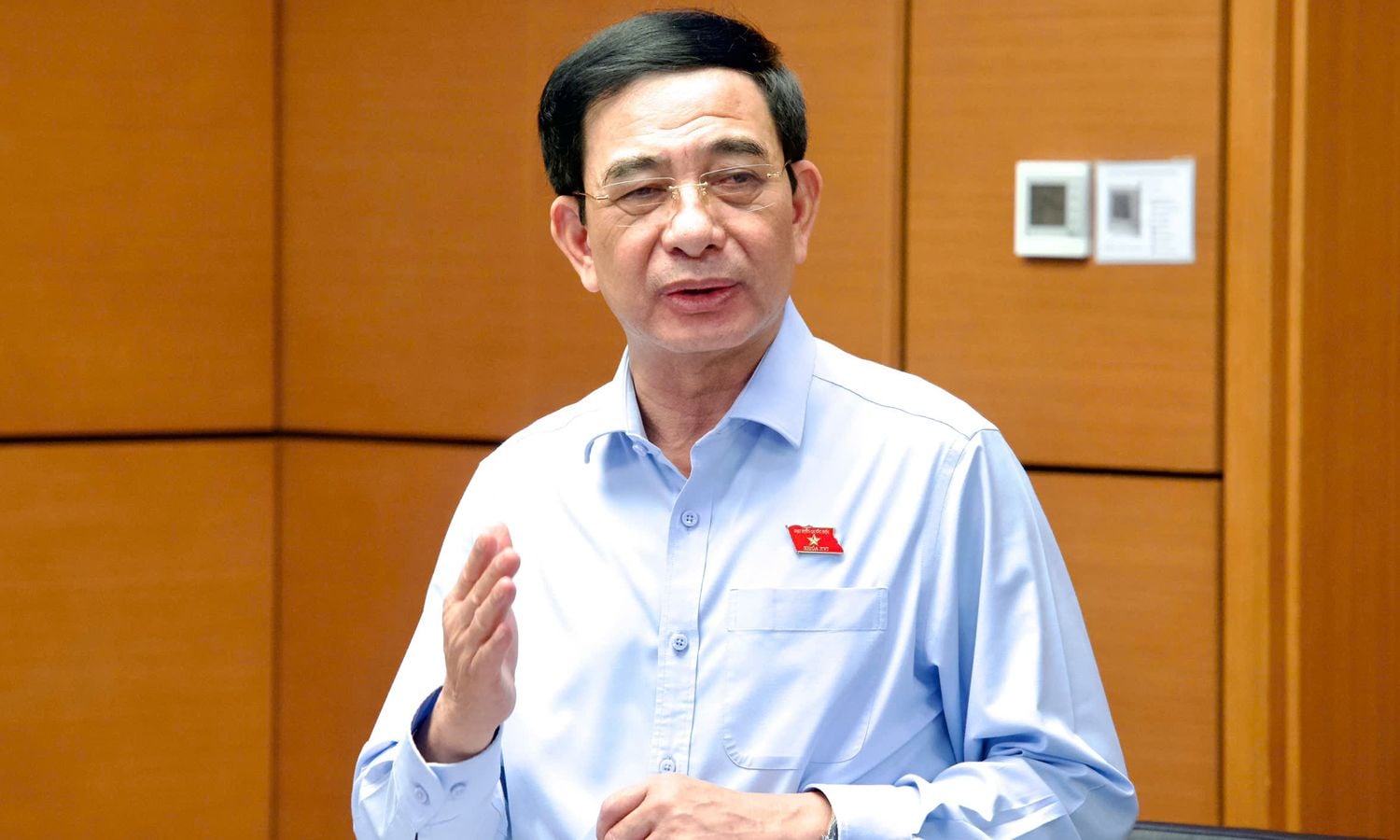
Deputy Prime Minister and Minister of National Defense Phan Van Giang said Đồng Nai province meets all seven criteria to become a centrally administered city, citing key indicators including income, population, area, and its strategic geographic position.
Giang noted that after the merger with Bình Phước province, Đồng Nai (new) occupies a more strategic position for security and defense. He referenced Loc Ninh as a historic liberation site and a hub for gathering talent and resources in preparation for the 1975 liberation of the South.
On infrastructure, he pointed to Long Thành International Airport as a large-scale international project, the reinforcement and upgrade of Biên Hòa airport, and the presence of the Long Bình garrison and the Trị An reservoir, which he said strengthen the defense posture.
Giang said Đồng Nai, together with the former Bình Dương (now part of Ho Chi Minh City), has developed industrial zones and export processing zones, creating jobs for people from the Mekong Delta who migrated from farming.
He added that around 30% of wards already qualify under the criteria. If approved, Đồng Nai would become the seventh centrally administered city in Vietnam, following Hanoi, Ho Chi Minh City, Hải Phòng, Đà Nẵng, Cần Thơ and Huế.
The discussion also touched on the goal of having 50% of centrally administered cities. Giang said the Politburo recently agreed in principle with Quảng Ninh and expressed hope that Đồng Nai would receive support, even suggesting Bắc Ninh could be considered for central city status due to growth potential.
Le Minh Tri, head of the Central Internal Affairs Commission, supported recognizing Đồng Nai as the seventh centrally administered city, saying it would bring substantial national benefits. He said Đồng Nai already has crucial infrastructure and a strong workforce, but needs a special institutional framework to match its development pace, calling the decision a necessary step to unlock long-restrained resources.
Delegates including Trương Thị Diệu Thùy from Đồng Nai echoed the theme “a new outfit for growth poles.” She said the proposal institutionalizes the Politburo’s guidance on urban development and emphasized the need to elevate more provinces to city status in 2026.
She argued that the current provincial governance model does not match Đồng Nai’s pace, and that Parliament’s approval would give Đồng Nai a “new outfit” to rise in the new era—turning it into a growth hub and an international trade gateway in Southeast Vietnam, while also acknowledging pressures and challenges.
Đồng Nai Province Secretary Vũ Hồng Văn said the province has strong underlying potential, describing it as the third-largest by population and the fourth-largest by economy among Vietnamese provinces. He said Đồng Nai attracts people from across the country due to natural and climatic advantages.
He cited 2025 budget revenue of over 101 trillion đồng, saying it surpassed provincial targets and recorded double-digit growth, with plans to maintain higher revenue this year. He said the shift from rural to urban governance is timely, but must be accompanied by improved budgeting capacity, income and living standards, warning that delays could cause the province to miss development opportunities.
Vũ Hồng Văn said Đồng Nai aims to become a centrally administered city to lead growth toward becoming a higher-middle-income country by 2030 and a developed country by 2045.



Premium gym chains are entering a “golden era” that is ending or already in decline, as rising operating costs collide with shifting consumer preferences toward more flexible, community-based ways to exercise. Long-term memberships are shrinking, margins are pressured by higher rents and facility expenses, and competition from smaller, more personalized…