•
•
•
•
•
•
•
•
•
•
•
•
•
•
•
•
•
•
•
•
•
•
•
•
•
•
•
•
•
•
•
•
•


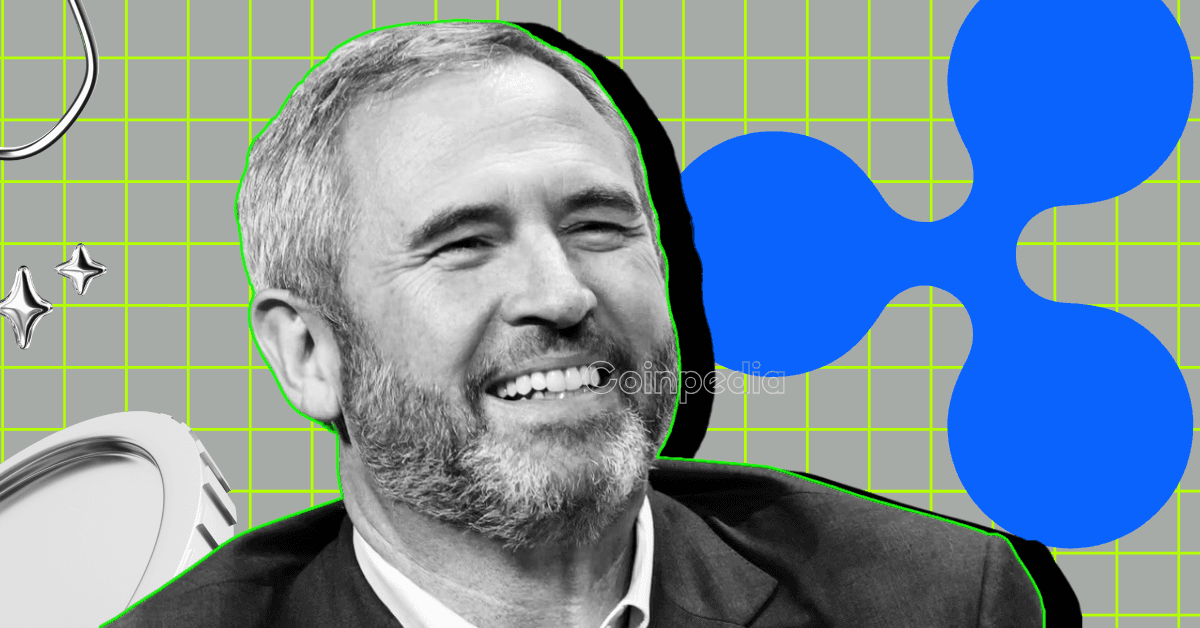
Former U.S. Securities and Exchange Commission (SEC) Chair Gary Gensler allegedly offered a personal apology to Ripple executive Brad Garlinghouse regarding the SEC’s long-running lawsuit against Ripple, according to remarks Garlinghouse made at the XRP Australia Sydney 2026 conference. Garlinghouse said the exchange occurred during a private interaction at the White House.
In a video clip from the event, Garlinghouse recounted that Gensler approached him and said, “sorry,” then added, “Oh gosh, wait, no, I’m sorry. I was wrong. And you guys have done an incredible job.” Garlinghouse described the moment as “kind of weird” given the setting.
The SEC filed its lawsuit against Ripple in December 2020, alleging that XRP was sold as an unregistered security. The case contributed to uncertainty across the digital asset sector and was followed by major exchange delistings. XRP’s price fell, and the token spent years facing legal and reputational pressure.
Gensler, who became SEC chair after the case began, was closely associated with the SEC’s broader enforcement approach toward crypto markets. Under his leadership, enforcement actions expanded and regulatory scrutiny intensified.
Garlinghouse’s account, if accurate, is being treated as notable because regulators rarely acknowledge missteps publicly in high-profile enforcement matters. The reported “I was wrong” remark is framed by Garlinghouse as more than a personal gesture, suggesting a change in tone at senior levels of financial oversight.
Since Gensler’s departure, the article says Washington’s approach to digital assets appears to be evolving. It notes that lawmakers have pushed for clearer market structure frameworks and that discussions around digital asset classification have gained bipartisan momentum.
For Ripple and XRP holders, the apology is being interpreted as institutional validation. In that view, the lawsuit that once cast a shadow over XRP is increasingly seen as a chapter that is closing rather than an ongoing threat.
The article highlights that legal clarity has historically been a key driver of XRP’s price movements. It states that when court rulings favored Ripple, XRP responded sharply, while regulatory overhang has long been cited as a factor limiting sustained upside.
If the legal overhang is no longer a central concern, the narrative around XRP could shift. The article suggests that instead of focusing on surviving a federal case, XRP could re-enter broader market attention as a major cryptocurrency that continued operating globally despite direct federal scrutiny.
It also notes that market performance would still depend on wider crypto conditions, liquidity cycles, and Bitcoin’s direction, even as policy discussions become more structured.






Premium gym chains are entering a “golden era” that is ending or already in decline, as rising operating costs collide with shifting consumer preferences toward more flexible, community-based ways to exercise. Long-term memberships are shrinking, margins are pressured by higher rents and facility expenses, and competition from smaller, more personalized…



