•
•
•
•
•
•
•
•
•
•
•
•
•
•
•
•
•
•
•
•
•
•
•
•
•
•
•
•
•
•
•
•
•


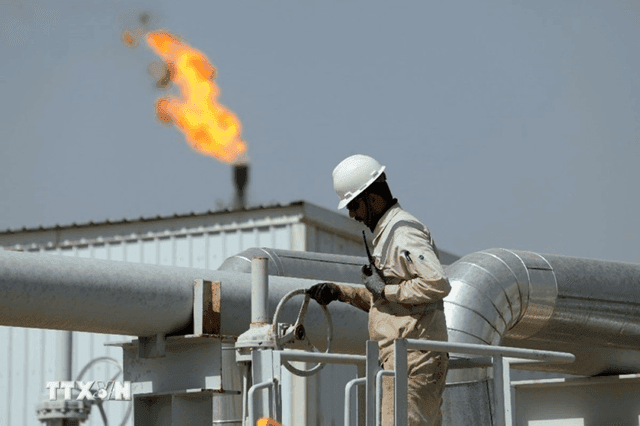
Global energy markets are facing one of the most severe shocks in decades as U.S. and Israel strikes on Iran and Tehran’s retaliatory missile attacks across the Gulf disrupt oil exports from the world’s most important producing region. Analysts say the scale of disruption will depend on how long the conflict lasts, but current instability is already affecting flows from a region that accounts for around 20% of global oil supply.
Argentina-based energy experts warn that if the Strait of Hormuz were completely blocked, Brent crude could rise above $100 per barrel. They link such a scenario to potential knock-on effects for inflation and global growth.
So far, no damage has been confirmed to oil and gas infrastructure from the attacks. However, the risk that oil tankers could become stranded in the Persian Gulf north of the Strait of Hormuz—or that ships could be targeted—has prompted producers, traders, and shipowners to reassess oil and LNG shipping routes.
Some major oil groups and trading houses have announced temporary suspensions of shipments through the strait for several days.
Brent crude has risen in recent weeks to around $70 per barrel, the highest level since August 2025. Analysts warn that if there is no quick resolution, prices could increase sharply when markets open on March 2.
Former Argentine Energy Undersecretary Emilio Apud said the impact could unfold on two levels. First is a “speculative effect,” as prices rise due to risk-off sentiment amid geopolitical uncertainty. Second is a real, physical impact if a blockade occurs.
Apud added that even a single incident—such as one large oil tanker sinking in one of the two narrow choke points—could create severe bottlenecks. He also said alternative pipeline infrastructure is not sufficient to offset the disrupted volume. If shipments are redirected via the north and down the Suez Canal, journey times could lengthen by at least two weeks, which would raise logistics and insurance costs.
Apud also argued that the probability of a prolonged blockade is not high, citing the interests of major powers. He said Washington does not want oil prices to spike and drive domestic inflation, while Tehran would also face difficulty sustaining long-term disruption.
Former head of the state oil company YPF, Daniel Montamat, said the conflict could have cascading effects that temporarily shift market dynamics from supply-demand fundamentals toward geopolitics. He noted that 83% of LNG production in the Gulf passes through the Strait of Hormuz, meaning any disruption could ripple through Asia, particularly China and India.
Some pre-conflict forecasts indicated the global oil market was in surplus by about 2–3 million barrels per day. If tensions ease quickly, analysts said prices could revert toward underlying fundamentals.







Premium gym chains are entering a “golden era” that is ending or already in decline, as rising operating costs collide with shifting consumer preferences toward more flexible, community-based ways to exercise. Long-term memberships are shrinking, margins are pressured by higher rents and facility expenses, and competition from smaller, more personalized…




