•
•
•
•
•
•
•
•
•
•
•
•
•
•
•
•
•
•
•
•
•
•
•
•
•
•
•
•
•
•
•
•
•


Spot gold opened the morning at 4,557 USD per ounce, up 0.32% from the previous close. Earlier in the week, prices had fallen a total of 3.5% over the first three sessions, following a 2.5% drop in the prior week, as gold continued to retreat toward a one-month low.
Gold’s decline continued after the U.S. Federal Reserve held interest rates as expected and highlighted growing concerns about inflation. The Fed decided to keep the base rate after the April policy meeting, drawing three dissenting votes, with some officials arguing the central bank should stop signaling easing.
“Three dissenters want to remove the easing bias that is putting pressure on gold prices,” independent metals trader Tai Wong told Reuters.
After the decision, traders still expect the Fed will not cut rates this year, and possibly not even next year.
Inflation concerns were reinforced by oil prices trading above $100 a barrel amid the Iran conflict. Fawad Razaqzada, market analyst at City Index and FOREX.com, said: “Only President Trump and Iran can salvage the market, but the two sides are not close to a deal and oil prices reflect that. In this context, gold’s outlook does not look favorable.”
Reuters also reported that a White House official said on Wednesday that President Donald Trump discussed with U.S. oil companies how to mitigate the impact of blocking Iran’s ports for months. Tehran warned of “unprecedented military action” if the U.S. continues the blockade.
The World Gold Council said global gold demand in Q1 2026 rose 2% year over year. The increase was driven mainly by a 3% rise in central-bank gold purchases, which offset a 23% drop in jewelry demand.
In domestic trading on April 30, gold prices were unchanged from the previous session’s close, as major firms did not adjust their listed prices.
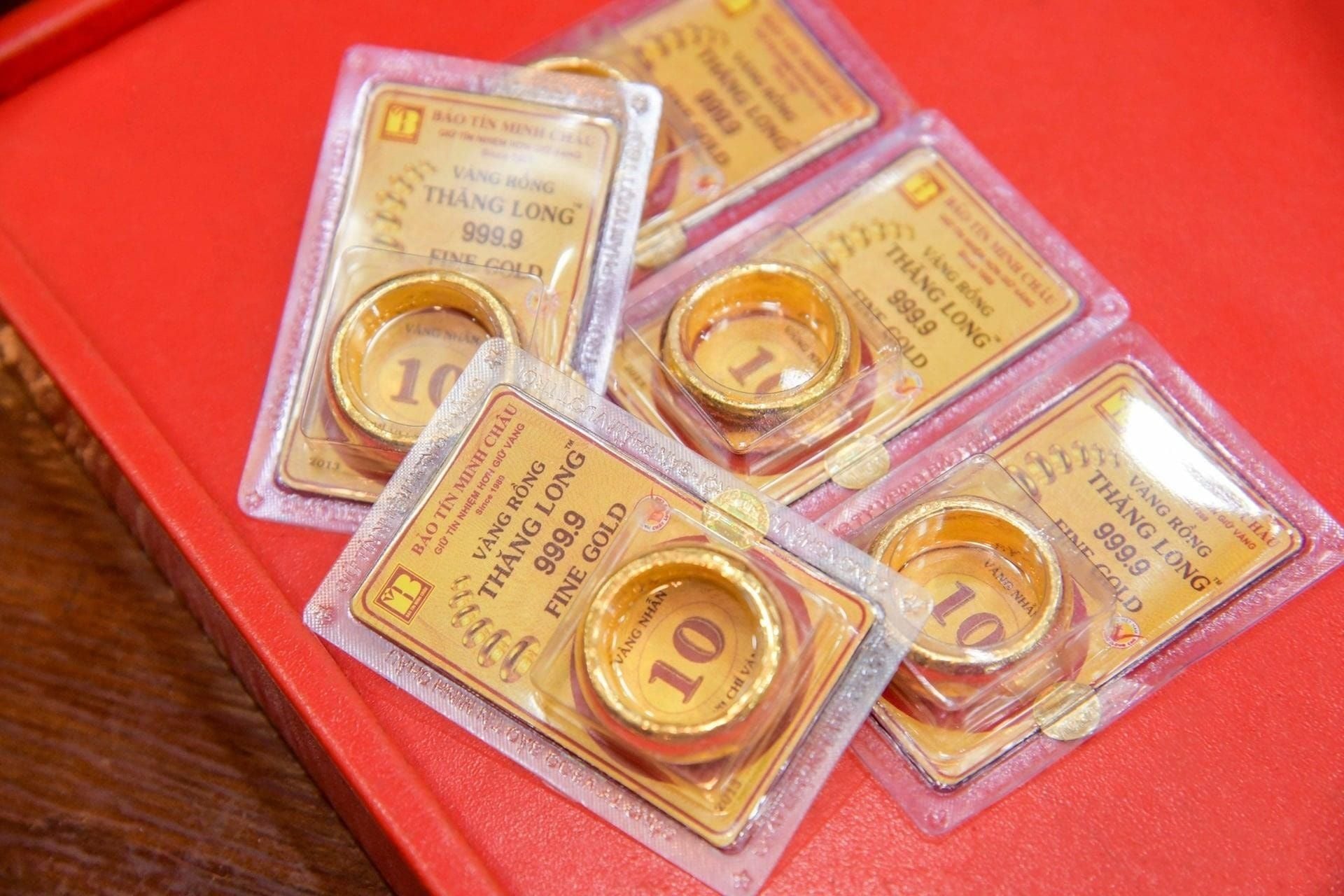
Gold bars (buy–sell): SJC, PNJ, DOJI, Bao Tin Minh Chau, and Bao Tin Manh Hai were quoted at 163–166 million VND per tael.
Jewelry segment (buy–sell): SJC quoted 162.5–165.5 million VND per tael, PNJ 162.6–165.6, and DOJI 162.5–165.5. Bao Tin Minh Chau and Bao Tin Manh Hai posted higher buy prices around 163–166 million VND per tael.








Premium gym chains are entering a “golden era” that is ending or already in decline, as rising operating costs collide with shifting consumer preferences toward more flexible, community-based ways to exercise. Long-term memberships are shrinking, margins are pressured by higher rents and facility expenses, and competition from smaller, more personalized…