Global silver markets are moving toward a new phase of supply tightness as inventories remain low and demand continues to outpace supply, according to the World Silver Survey published by Metals Focus and the Silver Institute. The survey suggests conditions that could support higher prices in 2026, citing low stockpiles and a forecast for a sixth consecutive year of supply shortfalls.
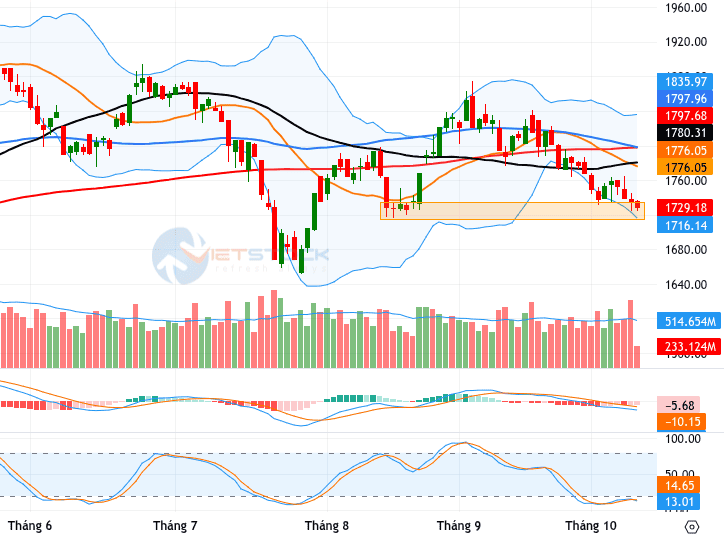
Silver prices reached highs late last year and early this year, topping 121 USD/oz in January. However, the metal has also seen sharp declines amid volatile trading.
The report projects a sixth consecutive annual deficit in 2026 as demand continues to exceed supply. Philip Newman, CEO of Metals Focus, said the conditions for renewed supply tightness are “quite clear,” adding that while it is not yet possible to gauge how long the tightness will last, “the supply risk has not disappeared.”
One factor highlighted by the Financial Times is a surge in India’s silver demand during the festival season last October. This reportedly contributed to a shortage in the London market, the world’s largest center for silver trading and physical storage, pushing prices above 50 USD/oz at the time.
Volatility is also linked to depleted available silver in London vaults after years of shortages. In addition, strong exchange-traded fund (ETF) purchases continue to reduce the amount of silver available for free trading.
While silver often tracks gold, it has tended to be more volatile because central banks hold fewer silver reserves. The report also notes that more than half of global silver demand comes from industrial sectors such as solar panels and electronics, making prices more sensitive to shifts in those areas.
The survey shows global demand fell 2% last year as prices rose, weakening demand from industrial and jewelry sectors. The solar panel segment recorded the largest decline, with demand down 6% as manufacturers shifted to other metals.
Investment demand increased, but the rise did not fully offset the industrial decline. In 2025, purchases of silver bars and coins rose 14%, while net inflows into silver ETFs increased threefold.
On the supply side, silver supply rose 7% due to higher mining and recycling activity, but the increase was insufficient to meet demand. Global silver stocks remain on a downward trend, although the deficit narrowed compared with previous years.
The report warns that supply tightness may not be continuous, but market liquidity is likely to be weaker. It also expects silver lease rates to be more volatile and the price to swing with larger margins than in recent years.
It further expects continued price volatility to pressure silver demand this year. The survey projects solar-sector demand could fall 19% and jewelry demand could decline 16%.
Despite the risk of demand being dampened by high price levels in 2026, the report says the silver market could remain in a deficit of about 46 million ounces this year.