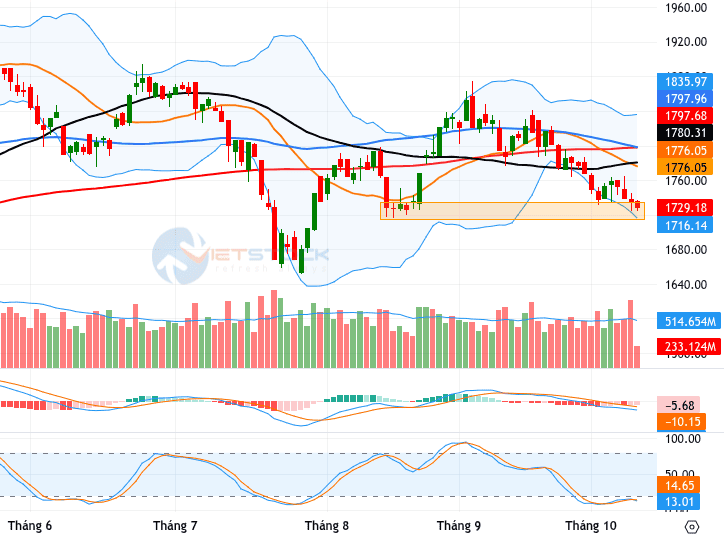
Gold prices continued to fall sharply on April 30. Around 6:00 a.m. (Vietnam time), world gold prices hovered around 4,549 USD per ounce, down about 61 USD from the previous night’s high of 4,610 USD per ounce.
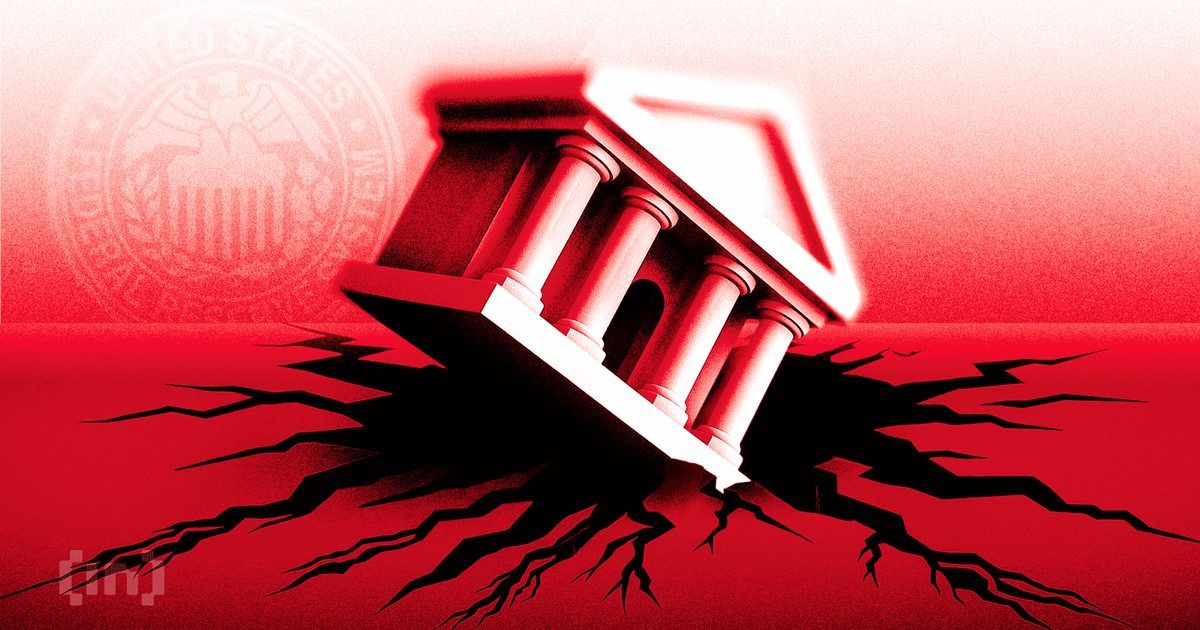
The decline followed the Federal Reserve’s decision to keep the benchmark interest rate at 3.5%–3.75% for the third consecutive time. Market participants also viewed this as potentially Jerome Powell’s last meeting as Fed chair.
Rising U.S. Treasury yields and renewed inflation concerns further limited demand for gold.
On related markets, the U.S. dollar index (DXY) rose sharply, while the 10-year U.S. Treasury yield was around 4.4%, both of which typically weigh on gold prices.
Analysts said that with a stronger dollar, higher yields, and a cautious Fed stance, selling pressure on gold remains dominant in the near term.
Despite the pullback, official-sector demand remained solid. The World Gold Council reported that central banks worldwide added gold to reserves at the fastest pace in more than a year. Total net purchases in Q1 2026 were around 244 tonnes, up from 208 tonnes in Q4.
With the combination of higher yields, a stronger dollar, and the Fed maintaining its cautious policy stance, gold faces continued near-term downside pressure, even as central bank demand supports the market.