•
•
•
•
•
•
•
•
•
•
•
•
•
•
•
•
•
•
•
•
•
•
•
•
•
•
•
•
•
•
•
•
•


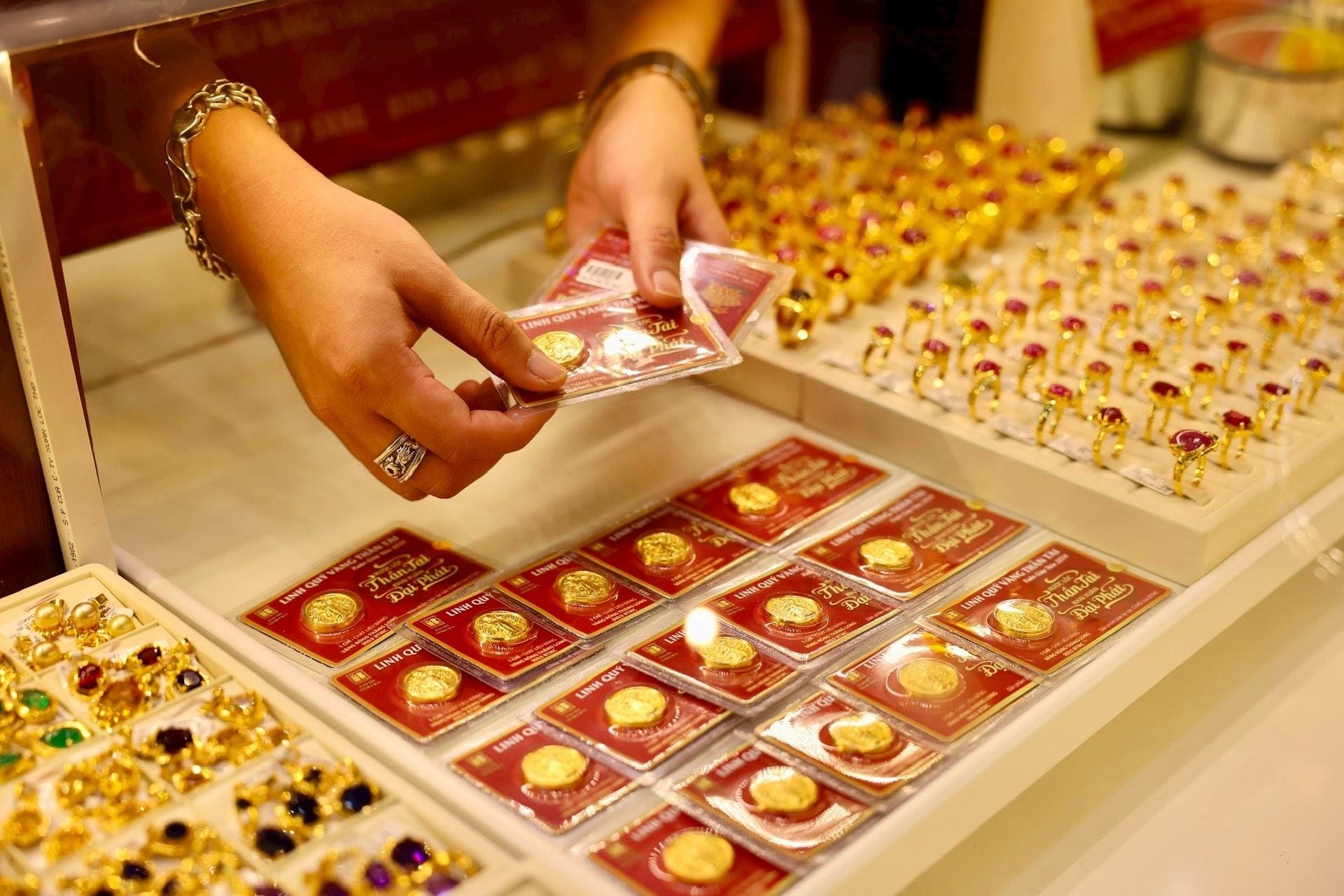
Gold prices rebounded in early trading as the US dollar weakened and oil prices eased, but the metal remained down for the second consecutive month. Inflation concerns persisted, while expectations for Federal Reserve rate cuts were tempered as the Iran conflict dimmed the outlook for policy easing.
On the global market, spot gold traded at about 4,624 USD per ounce in the early morning, up slightly by 0.05% from the previous close. Gold had risen more than 1.7% in the prior session after hitting a one-month low on Wednesday. The rebound was supported by a weaker USD and steadier energy prices, while investors continued to focus on the Federal Reserve’s policy outlook. A weaker dollar makes gold, which is priced in USD, easier for holders of other currencies to buy.
Oil prices fell after reaching multi-year highs. The earlier energy rally had raised inflation concerns, increasing uncertainty around the timing and pace of central bank rate cuts. Although gold is often seen as a safe haven and an inflation hedge, a higher interest-rate environment can reduce its appeal because it offers no yield.
In the most recent meeting, the Federal Reserve held rates steady but warned that inflation risks remained elevated. The Bank of England took a similar stance and also outlined scenarios in which borrowing costs could rise sharply if the conflict persists.
US economic data showed the Personal Consumption Expenditures (PCE) price index rose 0.7% in the previous month, the strongest gain since mid-2022 and in line with market expectations.
Citi Group analysts said downward pressure on gold could continue in the short term due to geopolitical uncertainty. In the longer term, however, the bank expects gold to regain its safe-haven appeal. Citi maintains a gold price forecast of about 4,300 USD in the next 3 months and could rise to 5,000 USD over the 6–12 month period.
Separately, the share of gold in India’s foreign exchange reserves rose to 16.7% by the end of March, suggesting sustained demand for gold as a reserve asset.
Domestically, on the morning of May 1, amid holidays, gold traders did not adjust listed prices. Bullion at SJC, PNJ, DOJI, Bao Tin Minh Chau, and Bao Tin Manh Hai remained at 163–166 million VND per tael (buy–sell).
In the jewelry segment, SJC quoted 162.5–165.5 million VND per tael, PNJ 162.6–165.6, DOJI 162.5–165.5, while Bao Tin Minh Chau and Bao Tin Manh Hai posted 163–166 million VND per tael.


Premium gym chains are entering a “golden era” that is ending or already in decline, as rising operating costs collide with shifting consumer preferences toward more flexible, community-based ways to exercise. Long-term memberships are shrinking, margins are pressured by higher rents and facility expenses, and competition from smaller, more personalized…