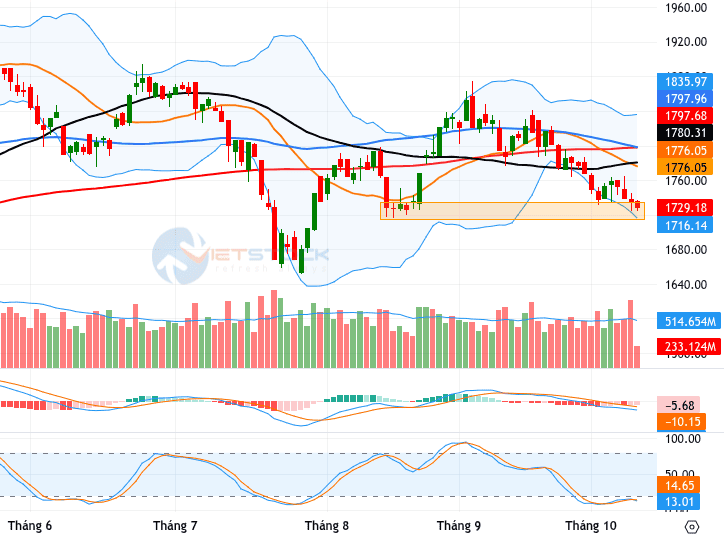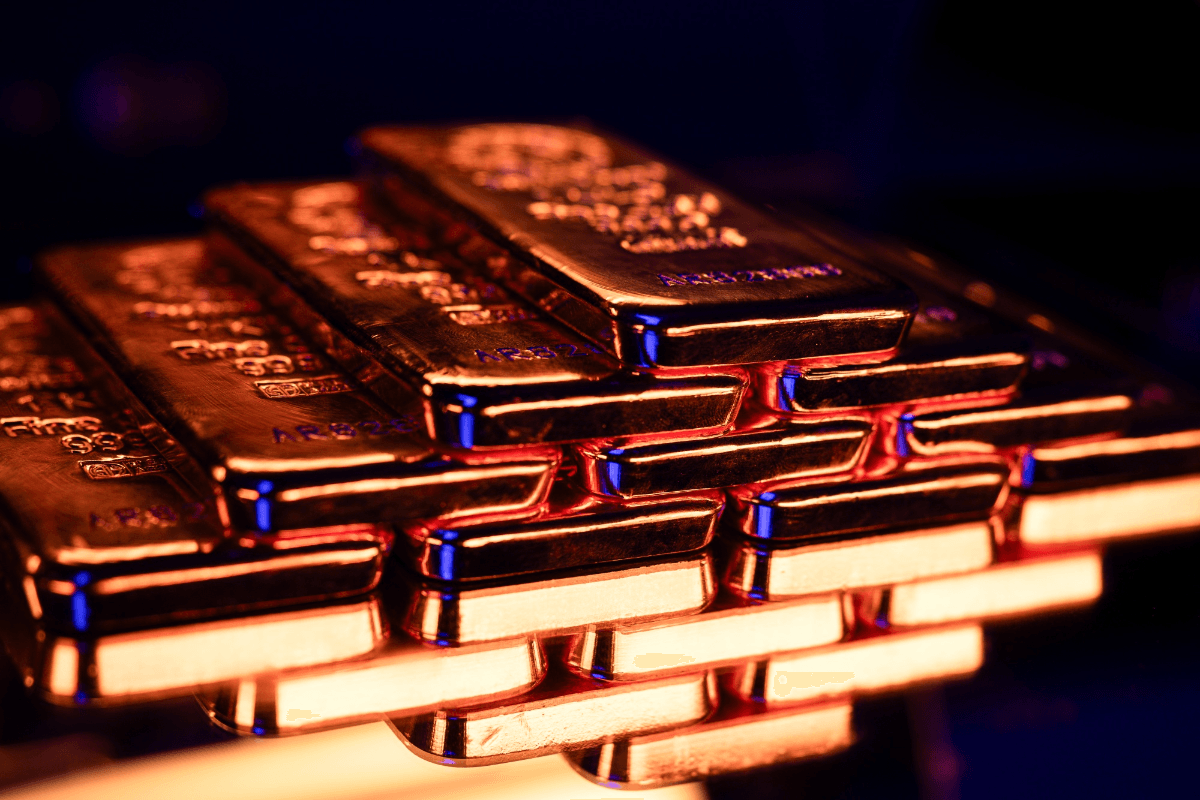
Gold prices slipped below the key 4,800 USD/oz level as the Asian market opened on 20 April, pressured by a renewed rise in oil prices amid heightened tensions between the United States and Iran. At 7:10 a.m. Vietnam time, spot gold in Asia was down 78 USD/oz from the prior week’s close in the U.S., trading at 4,753.4 USD/oz, according to Kitco.
Spot silver fell more than 2.1% to 79.25 USD/oz. Meanwhile, U.S. WTI crude futures rose over 8% from Friday’s close, trading near 91 USD per barrel, and Brent futures rose over 7% to near 97 USD per barrel.
The sharp rise in crude prices adds global inflationary pressure, increasing the likelihood that central banks will keep rates higher for longer. That dynamic typically weighs on precious metals. The article also links this transmission channel to the Middle East crisis, noting that since the conflict began in late February, gold and silver have been less effective as safe-haven assets.
Last week, gold rose 1.7% as oil prices fell on expectations that the U.S. and Iran would soon reach an agreement to end the war. However, renewed escalation at the end of the weekend has reversed that optimism and increased volatility across asset prices.
In a Truth Social post on Sunday U.S. time, President Donald Trump said the U.S. Navy opened fire on an Iranian container ship in the Gulf of Oman and detained the vessel, arguing it had tried to breach the naval blockade around Iran’s ports. The detention followed Iran’s attack on a tanker in the Hormuz Strait on Saturday, where UKMOC reported IRGC warships fired at the tanker and another container ship was hit.
Trump also warned that the U.S. would blow up all power plants and transportation infrastructure in Iran if its leaders do not accept a deal. The two-week ceasefire between the U.S. and Iran is due to expire this week, and Trump described Iran’s weekend attacks as a “clear violation” of the ceasefire.
It remains unclear whether the U.S. and Iran will meet for a second round of peace talks in Pakistan. Trump said talks would be held in Islamabad on Monday, but Iran’s state news agency IRNA said Tehran would not attend while the U.S. continues to block Iranian ports.
Analysts cited in the article said that until a peace agreement is reached, gold is likely to remain under downside pressure.
Beyond war news, the week includes several key U.S. data releases that could influence gold prices: March retail sales due on Tuesday; a Senate hearing on Kevin Warsh’s nomination as Fed Chair on Tuesday; March existing home sales due on Wednesday; weekly initial jobless claims due on Thursday; and the University of Michigan’s final consumer sentiment index due on Friday.
The article notes that lower consumer sentiment could support gold as a safe-haven in a fragile economy, even if other macro data appear solid.