Gold prices jumped more than 2% on April 30 as the dollar weakened and oil prices cooled, but the metal remained on track for a second consecutive monthly decline amid inflation concerns linked to the prolonged Iran conflict.
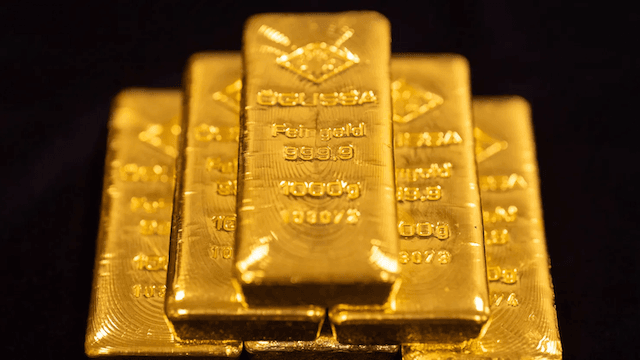
Spot gold rose 2.2% to $4,639.26 an ounce, after hitting its lowest level in about a month on Wednesday. June gold futures increased 2% to $4,652.30 an ounce.
David Meger, head of metals trading at High Ridge Futures, said the retreat in energy prices and a weaker dollar after Japan signaled potential currency intervention supported the gold market.
The dollar fell sharply after Japanese officials indicated a clear willingness to intervene to support the yen. A softer dollar makes gold, which is priced in U.S. dollars, cheaper for holders of other currencies.
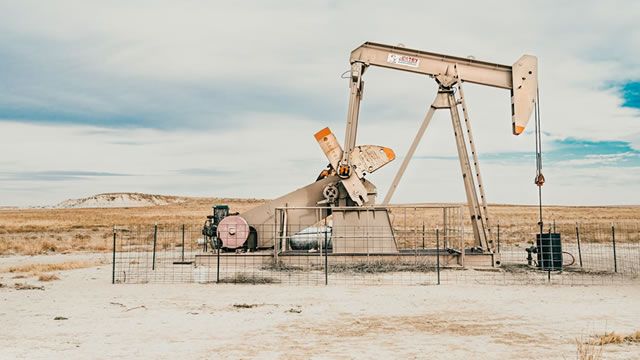
Global oil prices also cooled after touching a four-year high in the previous session. The earlier energy-cost surge had raised inflation concerns, weighing on expectations for the pace of central bank rate cuts.
From the start of the month, spot gold has fallen about 0.7%. While gold is often viewed as a hedge against inflation and uncertainty, higher yields can reduce its appeal as yield-bearing assets become more attractive.
The Federal Reserve kept rates unchanged on Wednesday but flagged inflation concerns. The Bank of England also kept rates unchanged and outlined potential macroeconomic impacts from the Iran conflict, including the possibility of higher borrowing costs.
In the U.S., the personal consumption expenditures price index (PCE) rose 0.7% in the prior month, the largest gain since June 2022, matching economists’ forecasts.
Analysts at Citigroup said near-term selling pressure for gold could persist amid Middle East tensions, but the precious metal is expected to regain its role as a safe-haven asset over the longer term.
Citi kept its gold price forecast at $4,300 per ounce for the next three months and $5,000 per ounce for 6–12 months ahead.
India’s gold demand was soft this week as prices fluctuated and the rupee weakened, discouraging buyers. In China, price differentials widened as domestic demand for stockpiling ahead of the Labour Day holiday (May 1) increased.