•
•
•
•
•
•
•
•
•
•
•
•
•
•
•
•
•
•
•
•
•
•
•
•
•
•
•
•
•
•
•
•
•


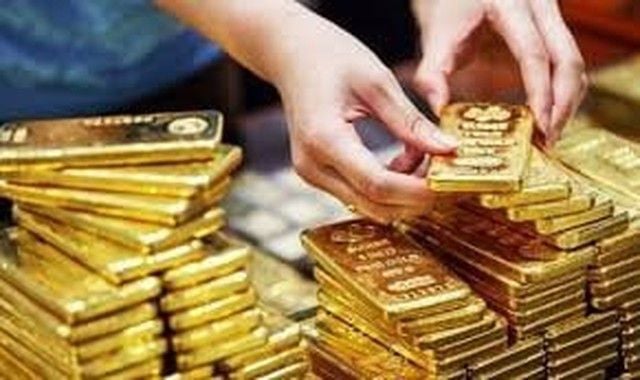
At 81, Eric Sprott continues to travel to gold mines in Australia and New Zealand, then stays in a rented house in Costa Rica to share a forecast that has drawn investor attention: “Gold could reach $10,000 an ounce. Silver could rise to $200–$300.” The billionaire, known for investments in precious metals, has placed billions of dollars of his fortune into gold and silver despite a volatile market.
In a Forbes interview that preceded a period of market turbulence, Sprott said gold and silver prices surged before later correcting. Silver fell from near $100 per ounce to around $76, and gold pulled back from a peak near $5,000. He argued the declines are short-term and that the long-term trend for precious metals remains intact.
Sprott attributed his outlook to what he described as excessive monetary expansion and weak discipline in major economies. “Governments are printing money too much,” he said, adding that policymakers appear to believe that continued money pumping will resolve broader problems.
He said the key risk is not confined to gold or silver, but is tied to the global financial system’s growing debt and ongoing stimulus. He highlighted debt levels in the United States and persistent spending in major economies, saying: “The US, Canada, the UK, or Japan—all are operating a financial system lacking discipline.”
Although not a geologist, Sprott emphasized that his process is driven by numbers rather than geology. “I look at the mines. I don’t understand rocks, but I understand the probability of profit.”
His strategy has centered on mining companies with large reserves that he believes the market undervalues. He said he has dedicated a substantial portion of his fortune to gold and silver, and his mining focus reflects that view.
Sprott’s personal assets are reported at about $3.3 billion after price fluctuations in gold. His gold and silver funds hold substantial positions, including nearly 1.2 million ounces of gold and about 50 million ounces of silver, with assets totaling around $10 billion.
He also said he invests in more than 200 mining companies, arguing that silver’s importance goes beyond being a store of value. He cited industrial uses including electric vehicle batteries, solar panels, electronics, and energy storage, alongside rising industrial demand and tightening supply.
Hycroft Mining is described as his largest commitment at roughly $1.3 billion. Its stock has surged since early 2025 following restructuring.
Sprott linked his silver thesis to the pace of clean-energy and EV adoption, saying: “If the world continues to move toward clean energy and EVs, silver will become a big issue.”
He also reiterated a long-term investing stance: “If you believe you are right, be patient.” Forbes noted that this approach has guided his precious metals investing for more than four decades.

Premium gym chains are entering a “golden era” that is ending or already in decline, as rising operating costs collide with shifting consumer preferences toward more flexible, community-based ways to exercise. Long-term memberships are shrinking, margins are pressured by higher rents and facility expenses, and competition from smaller, more personalized…