•
•
•
•
•
•
•
•
•
•
•
•
•
•
•
•
•
•
•
•
•
•
•
•
•
•
•
•
•
•
•
•
•


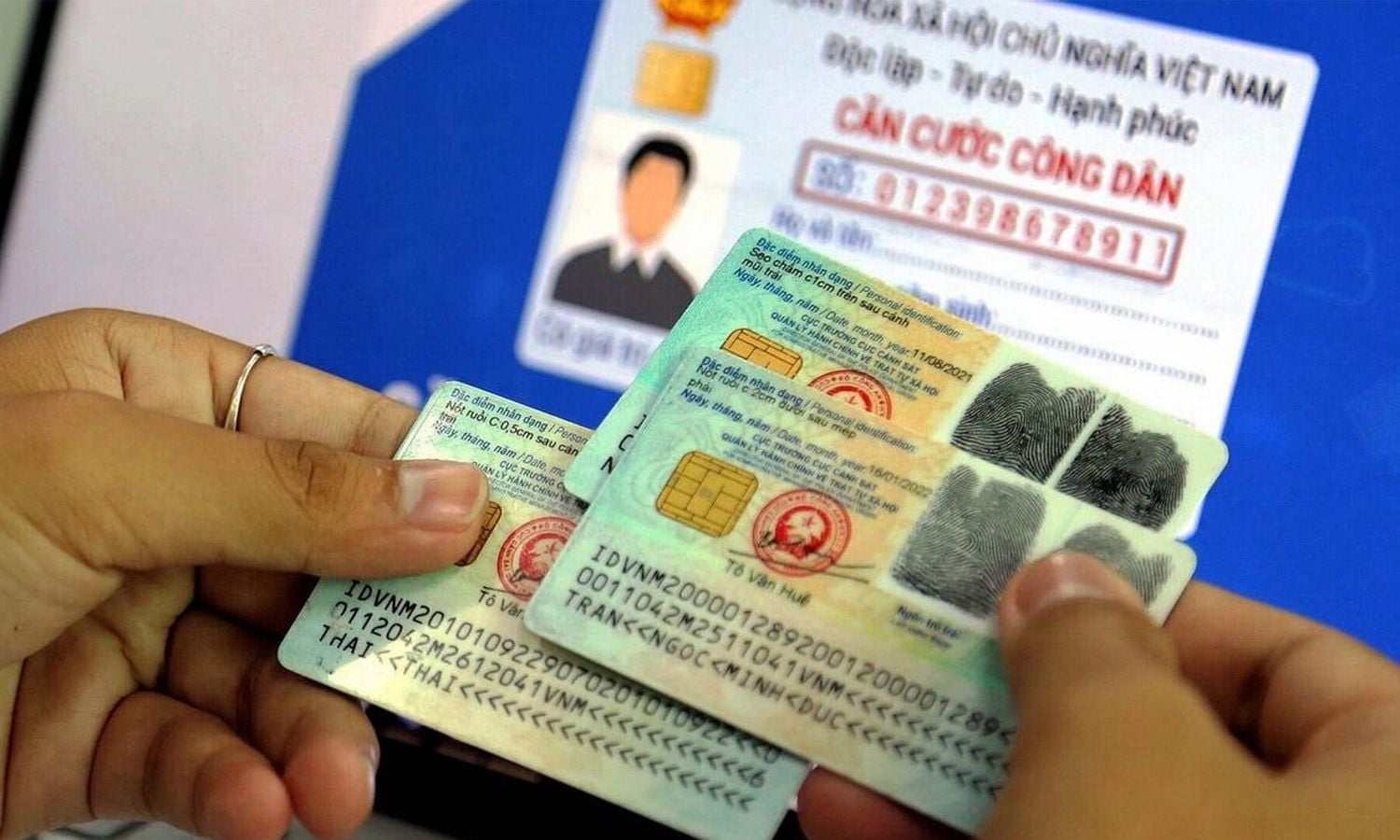
The Government has issued eight resolutions aimed at cutting, decentralizing, and simplifying administrative procedures, while reducing or simplifying business conditions under the remit of seven ministries and a joint resolution led by the Ministry of Justice. The measures apply to the Ministries of Defense, Interior, Finance, Construction, Foreign Affairs, Justice, and the State Bank.
Resolution 22/2026 focuses on reducing, devolving, and simplifying administrative procedures and streamlining business conditions within its scope.
In the field of registration and management of motor vehicles and specialized/machine vehicles, Resolution 22/2026 devolves authority from the central level to provincial Police for three procedures: the license to operate, reissuance of the operating license, and revocation of the operating license for smart transport vehicles.
The Government also cuts many administrative procedures related to the issuance and management of identification documents. It abolishes procedures for collecting and updating biometric information on DNA and voice into the identity database, conducted at both the ministry and provincial levels. It also abolishes procedures for integrating, updating, or adjusting information on identity cards carried out at both the ministry and provincial levels.
In electronic identification and authentication, Resolution 22/2026 abolishes four procedures at both central and provincial levels, including:
To reduce administrative procedures and business conditions in regulated sectors related to security and order, the Government abolishes the procedure for reissuing the certificate of conditions concerning security and order at the central or provincial levels.
In the field of registration and management of seals, Resolution 22 abolishes three central and provincial procedures. It also decentralizes two procedures from provincial Police to commune Police: registering new seal samples and re-registering seal samples.
For weapons, ammunition, supporting tools, and fireworks, Resolution 22/2026 decentralizes decision-making from the central to provincial levels and simplifies seven procedures. It also reduces and decentralizes 11 procedures in information security and cybersecurity.
In road traffic driving license examination, the Government abolishes one central-level procedure and decentralizes three central procedures. It also cuts and simplifies six administrative procedures related to order and road safety.
In addition, the Government abolishes four central-level procedures in the field of management of product quality and goods.
The Government assigns the Ministry of Public Security to draft amendments to 10 decrees to cut, devolve, and simplify administrative procedures and business conditions, with effect before 1 March 2027.
The Minister of Public Security will issue circulars to implement the reforms, publish and publicly disclose procedures under its authority in accordance with the law on control of administrative procedures, so that they take effect before 1 March 2027.
Resolution 22/2026 takes effect from 29 April 2026 to 1 March 2027.
Across the eight resolutions, the Government reports the elimination of 184 central and provincial administrative procedures, the devolution of 134 procedures to local authorities, and the simplification of 349 procedures. For business conditions, the eight resolutions eliminated 890 conditions and simplified 4.
The total number of texts amended or supplemented is 164, including 2 Government resolutions and 155 decrees, as well as 6 PM decisions. The Government says the eight resolutions collectively meet the four targets for cutting administrative procedures and devolving authority, with central procedures accounting for about 27% of the total—within the target of no more than 30%. It also states that reductions in time and compliance costs for procedures compared with 2024 exceed 50%, meeting the target in Conclusion 18.








Premium gym chains are entering a “golden era” that is ending or already in decline, as rising operating costs collide with shifting consumer preferences toward more flexible, community-based ways to exercise. Long-term memberships are shrinking, margins are pressured by higher rents and facility expenses, and competition from smaller, more personalized…