•
•
•
•
•
•
•
•
•
•
•
•
•
•
•
•
•
•
•
•
•
•
•
•
•
•
•
•
•
•
•
•
•


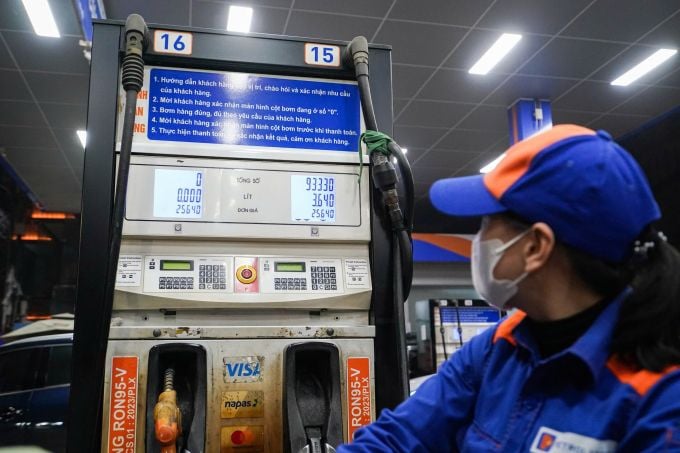
Import tariffs on gasoline and diesel have been cut to 0% for an additional two months, extending the policy until June 30, according to a government resolution. The extension also adds three items to the duty-free list for related blending inputs used in refining.
The measure follows earlier reductions that began on March 9, when import duties on many types of gasoline, fuels, and blending inputs—including naphtha, reformate, condensate, and similar materials—were lowered from 7–10% to 0%. That provision was set to expire on April 30, but the April 30 resolution extended the effectiveness of Decree 72, which amends MFN tariff rates for certain gasoline and input materials.
MFN refers to the most-favored-nation tariff rate applicable to WTO member countries. Under the extension, import duties on gasoline and the three blending inputs used in refining will remain at 0% through June 30—two months longer than the previous schedule.
Maintaining low import tariffs is intended to help businesses access alternative supply sources as supply chains in traditional markets such as Korea and ASEAN are affected by the ongoing military conflict. Even if the conflict in the Middle East ends, Petrolimex and BSR said oil and gas infrastructure there would require at least 5–7 weeks to restore capacity.
The article notes that if MFN 0% tariffs on these fuels and inputs are not continued beyond late April, shortages could return.
The Ministry of Finance estimates that extending the tariff policy by two more months will reduce state revenue by about 997 billion dong. This would bring the total revenue reduction since implementation to approximately 2.021 trillion dong.
Since late February, domestic fuel prices have undergone 19 adjustments. RON 95-III increased 10 times, decreased 7 times, and remained unchanged 2 times. Current prices are reported as follows: RON 95-III at 23,750 dong per liter, diesel at 28,170 dong per liter, and mazut at 20,020 dong per liter.
In addition to the MFN preferential import tax, the environmental tax, excise tax, and value-added tax (VAT) on gasoline, diesel, and aviation fuel remain at 0% through the end of June, according to a resolution by the National Assembly.




Premium gym chains are entering a “golden era” that is ending or already in decline, as rising operating costs collide with shifting consumer preferences toward more flexible, community-based ways to exercise. Long-term memberships are shrinking, margins are pressured by higher rents and facility expenses, and competition from smaller, more personalized…