•
•
•
•
•
•
•
•
•
•
•
•
•
•
•
•
•
•
•
•
•
•
•
•
•
•
•
•
•
•
•
•
•


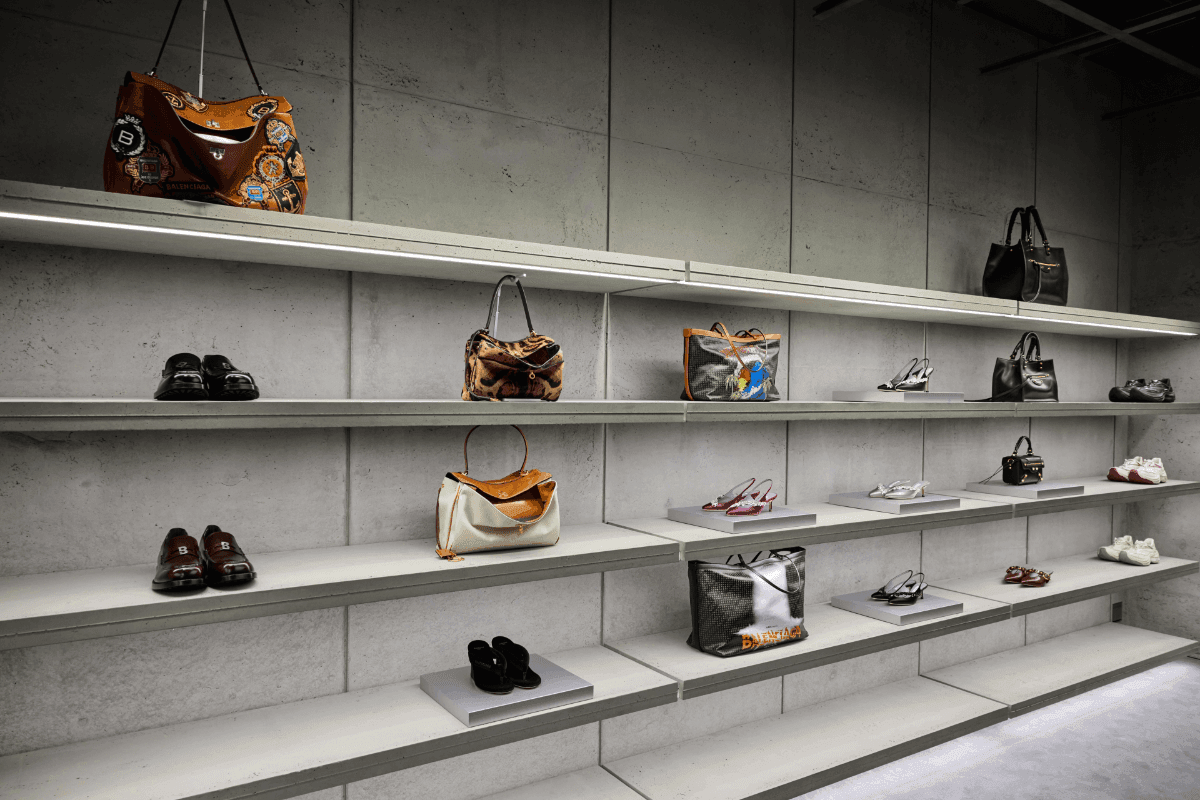
Guangzhou is emerging as a new force on the global luxury map, as a wave of luxury brands moves to open or expand stores in the city. The shift suggests a potential turning point for high-end retail in South China, raising the question of whether Guangzhou’s wealth can translate into sustainable domestic luxury spending.
In March 2026, several high-profile moves prompted luxury insiders to reassess Guangzhou’s position. On March 2, SKP—China’s leading luxury mall chain—signed an agreement to open its first store in Guangzhou, pledging to achieve 30 billion yuan in cumulative revenue within six years. A few days later, Balenciaga reopened its flagship store in an expanded Taikoo Hui complex, covering 572 square meters. On March 27, Louis Vuitton unveiled a renovated VIP shopping level at its Taikoo Hui boutique, including a private salon and personalized styling services.
At the same time, Waldorf Astoria—Hilton’s flagship luxury hotel brand—confirmed it would officially enter Guangzhou. It joins other luxury names already present in the city, including Ritz-Carlton, Park Hyatt, Four Seasons and W Hotel.
Despite being among China’s wealthiest urban areas and a gateway to the Pearl River Delta with more than 80 million consumers, Guangzhou has historically lagged behind cities such as Beijing, Shanghai, and even Chengdu in luxury retail. Luxury spending in 2023–2024 hovered around 15.9 billion yuan (about $2.3 billion), trailing Beijing, Shanghai, Sanya, Chengdu and Hangzhou.
This figure sits alongside total retail sales of over 1.1 trillion yuan (about $161 billion), highlighting a gap between broader consumption and high-end luxury demand. Liang Yuejia, a housing-policy researcher in Guangdong, described this as a “structural imbalance,” citing strong wholesale activity alongside weaker domestic luxury consumption at the high end.
Geography has also played a role. Hong Kong is about 90 minutes away by train, which has historically made it easier for shoppers to buy luxury goods outside the mainland city. The key issue now is whether a new generation of shoppers—less tied to Hong Kong and more focused on convenience—will choose to spend locally.
One factor supporting the potential for change is the broader trend of luxury consumers moving toward domestic purchases. A decade ago, many of Shanghai’s wealthy traveled to Paris or Milan; now they shop domestically. Guangzhou could follow a similar trajectory, potentially faster.
Local consumer behavior may also shape brand strategy. Guangzhou is often described as highly price-sensitive, with consumers viewed as among the most price-conscious in China. Rather than competing primarily through discounting, brands may need to focus on creating experiences that cannot be replicated through production knowledge alone.
The challenge will likely become clearer in three to five years: whether luxury brands can convert Guangzhou’s asset base into sustainable domestic luxury expenditure. If brands continue investing in exclusive products, VIP services, local cultural identity and long-term relationship building, the opportunity is described as real and larger than ever.
International brands are also adjusting how they reach Chinese consumers. By May 6, 2026, Xiaohongshu—reported to have roughly 350 million monthly active users—has become a dominant force in shaping China’s consumer market. To remain competitive in the “billion-dollar” Chinese market, international brands are increasingly seeking to leverage this domestic social network.
The fashion industry is also moving toward sustainability-focused operating models. The article notes that closed-loop models are increasingly being adopted as sustainability becomes more central to branding and operations.

Premium gym chains are entering a “golden era” that is ending or already in decline, as rising operating costs collide with shifting consumer preferences toward more flexible, community-based ways to exercise. Long-term memberships are shrinking, margins are pressured by higher rents and facility expenses, and competition from smaller, more personalized…