•
•
•
•
•
•
•
•
•
•
•
•
•
•
•
•
•
•
•
•
•
•
•
•
•
•
•
•
•
•
•
•
•
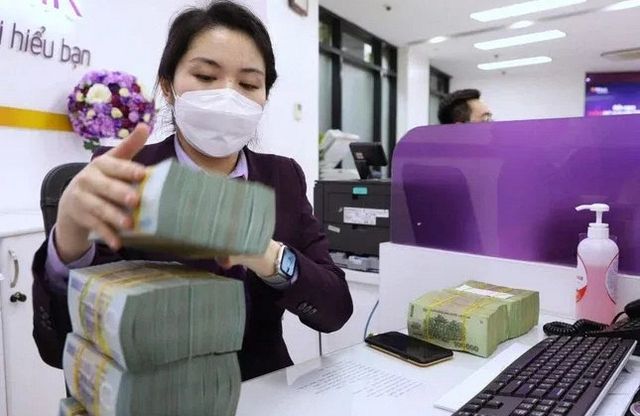
Bank deposit scams on social media platforms The Hanoi Police recently warned that on platforms such as Facebook, Zalo, TikTok and Telegram, many accounts, groups and information pages are promoting content about “special promotional savings packages,” “internal deposit rates,” “VIP customer programs,” and “high-profit investments” with attractive interest rates well above standard deposit rates offered by credit institutions. This is a tactic used by scammers to lure people into participating, and thereby to steal assets. After gaining trust, the perpetrators require people to transfer money to personal accounts or to accounts not belonging to a financial institution; they also guide users to click on fake links, install unverified apps, or request sensitive information such as usernames, online banking passwords, OTPs, transaction verification codes, and bank card details. Once they obtain this information, they quickly seize control of the accounts and commit asset theft. Additionally, they print or distribute counterfeit flyers or promotional materials containing QR codes. When people scan the codes, their phones are directed to fake websites or display the scammers’ phone numbers. They continue to impersonate bank staff to guide customers to provide personal information and perform actions as required to steal data and assets. Police warnings to the public Facing this situation, Hanoi Police urge citizens to be especially wary of invitations to deposit savings, invest or pool capital with unusually high profits. In reality, the savings rates offered by commercial banks are publicly posted, comply with the law and are under strict regulatory oversight. Ads for “secret savings packages,” “internal rates,” or “special offers for select customers” with profits far above the norm carry potential fraud risk. People should only conduct savings transactions through official banking apps, official websites, or at legitimate banking branches. Before logging in or conducting online transactions, carefully check the website domain, the URL, and the app’s source. Note: Do not provide passwords, OTPs, PINs, or bank card information to anyone; do not transfer money following instructions from social media accounts or calls claiming to be bank staff without proper verification. If signs of fraud are detected or if one has already provided information or transferred funds to a suspect, promptly contact the bank to freeze the account and block transactions, and report to the nearest police authority for timely assistance. Raising awareness, proactively verifying information and adhering to authorities’ guidance are important steps to protect assets and help prevent and combat high-tech crime online. According to Thái Hà Original source: Phụ nữ mới

Bitcoin (BTC) investors who use steady dollar-cost averaging (DCA) may be underperforming versus strategies that adjust exposure to the market’s cycle, according to new research arguing that Bitcoin’s behavior differs from traditional long-duration assets.
In a report cited by Markus Thielen of 10x Research, Bitcoin’s market…