•
•
•
•
•
•
•
•
•
•
•
•
•
•
•
•
•
•
•
•
•
•
•
•
•
•
•
•
•
•
•
•
•
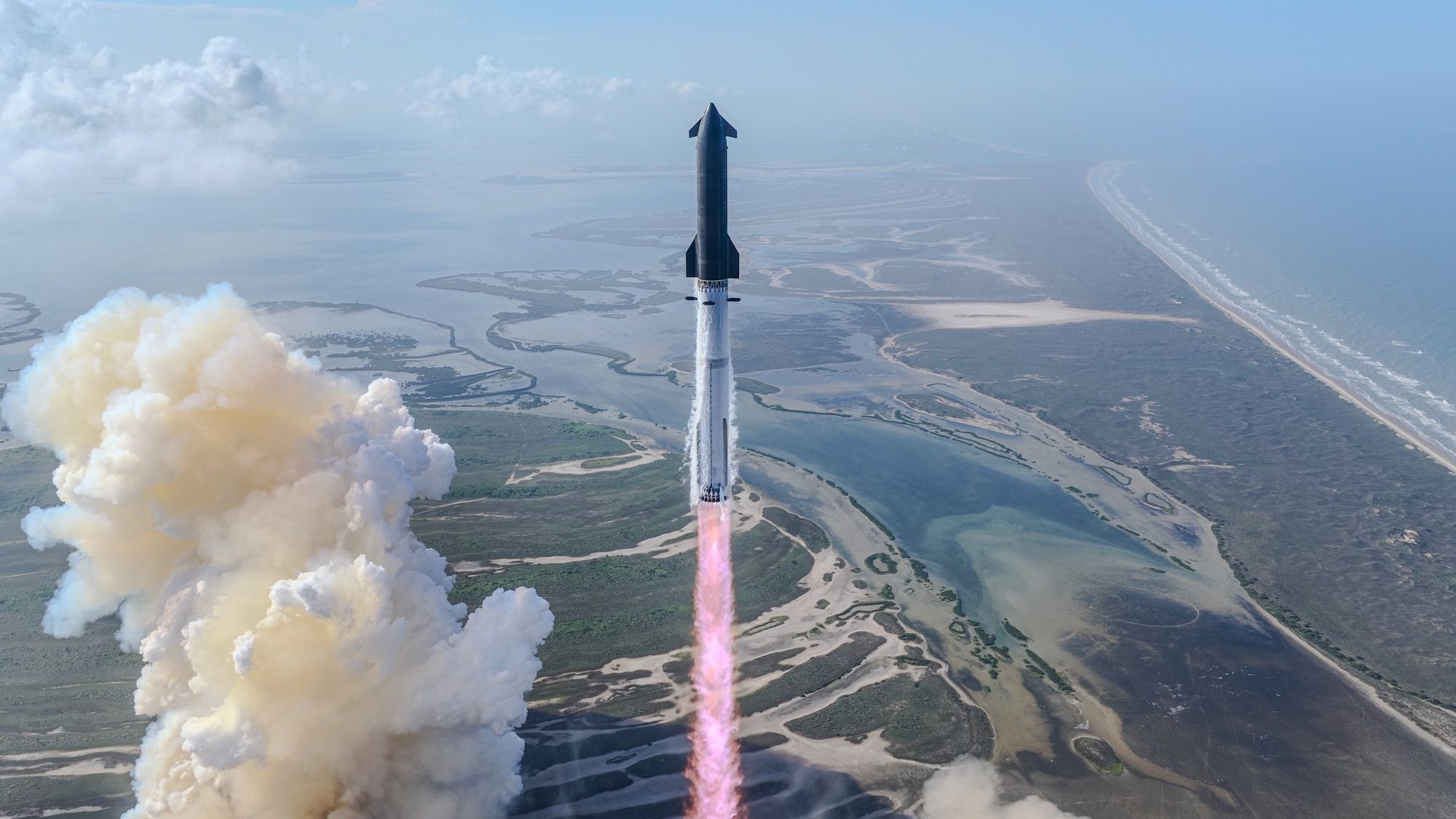
SpaceX is preparing an ambitious plan to build a large satellite network integrated with artificial intelligence (AI), aiming to turn space around Earth into a computing platform and expand AI infrastructure beyond geographic and physical limits on the ground.
SpaceX CEO Elon Musk supports the initiative, which would deploy satellites carrying powerful computing hardware, large solar panels, advanced cooling systems, and laser communication links. The satellites would function as data centers in orbit, designed to handle AI workloads at a large scale.
The proposal is described as building on technology already being developed for SpaceX’s next-generation Starlink satellites. Musk also said a dedicated production facility for AI satellites is expected to become a key hub for the emerging field.
Under the proposed design, each satellite would generate up to 150 kilowatts of power and continuously provide about 120 kilowatts to support on-board computing. High-speed laser links would connect satellites into a mesh network to move data rapidly across the constellation. Ground connectivity could be handled through traditional antennas or optical links.
The plan is framed as a response to pressures created by the global AI boom, including shortages of land and energy for traditional data centers. The article cites environmental constraints, costly cooling requirements, and strain on national power grids as key issues.
SpaceX argues that shifting computing to orbit could address these challenges by using abundant solar energy available continuously and leveraging the near-vacuum environment’s low temperatures to support natural cooling.
Musk said the AI satellite constellation could eventually expand to as many as one million satellites. The article notes that such a scale raises concerns about space debris and low-Earth orbit congestion (LEO).
SpaceX counters that space around Earth is still wide enough to accommodate large constellations safely if properly managed. The company also points to its current operations, stating it is already safely operating more than 10,000 Starlink satellites in orbit as evidence of its ability to manage much larger fleets in the future.
The initiative is presented as aligning with SpaceX’s broader ambitions across AI, satellite communications (Starlink), and reusable launch systems (Starship). If successful, orbital computing could create a new infrastructure model that enables AI systems to operate at scales that are difficult to achieve on Earth.
Bitcoin (BTC) investors who use steady dollar-cost averaging (DCA) may be underperforming versus strategies that adjust exposure to the market’s cycle, according to new research arguing that Bitcoin’s behavior differs from traditional long-duration assets.
In a report cited by Markus Thielen of 10x Research, Bitcoin’s market…